1. Regulatory Framework
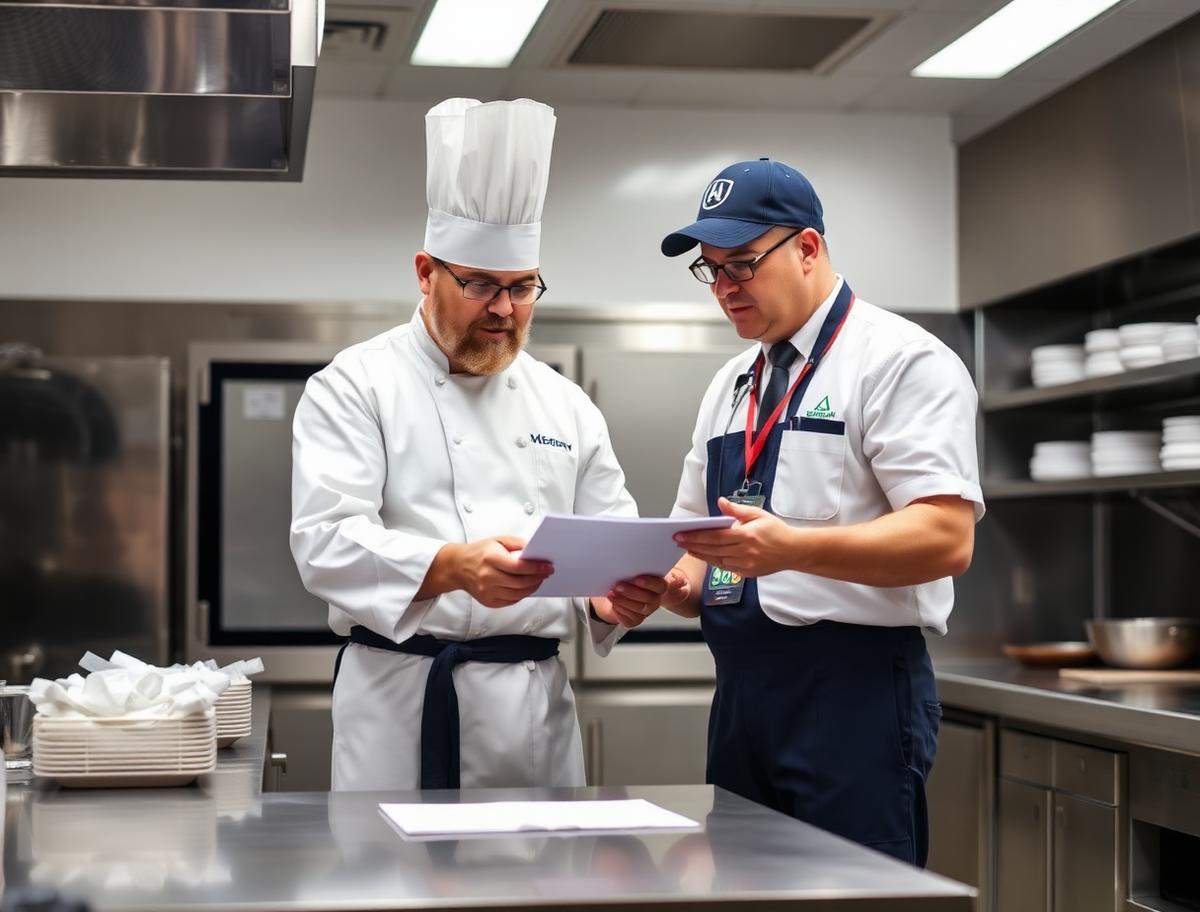
- Most jurisdictions adopt the FDA Food Code with local amendments; know your local health department's current version and scoring system.
- Distinguish critical (high-risk) vs non-critical violations and their impact on scores or grades.
- Understand imminent health hazard criteria that can trigger immediate closure.
- Know your facility's risk category and inspection frequency.
2. Temperature Controls and TCS Foods
- Cold hold at 41°F or below; hot hold at 135°F or above at all times.
- Cook to proper internal temperatures for each protein and TCS item.
- Cool using the two-stage method with documented times and temps.
- Reheat to 165°F within two hours if needed; log all processes.
3. Date Marking, Labeling, and Storage
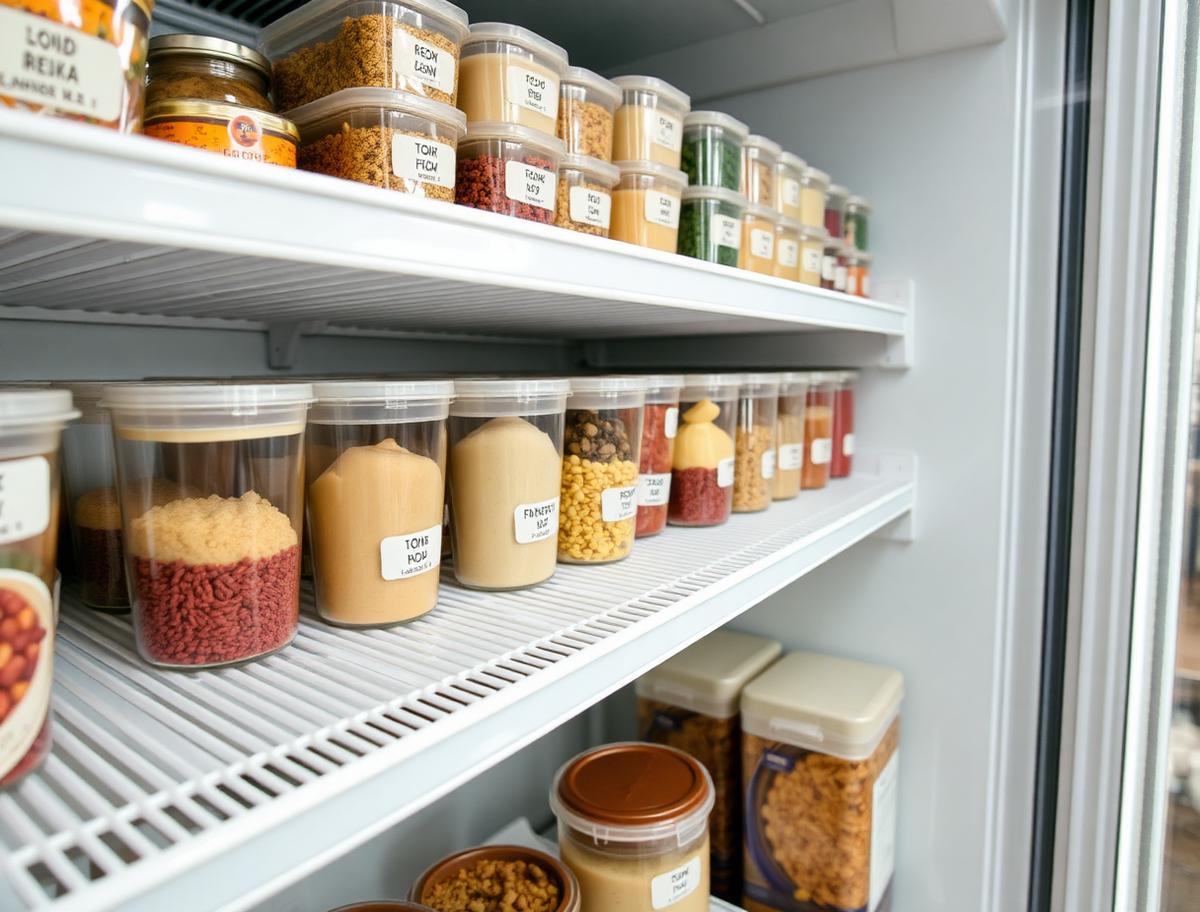
- Date mark ready-to-eat TCS foods with 7-day max (day 1 = prep day).
- Label all containers with contents and date; use FIFO.
- Separate raw proteins below ready-to-eat in coolers and on prep surfaces.
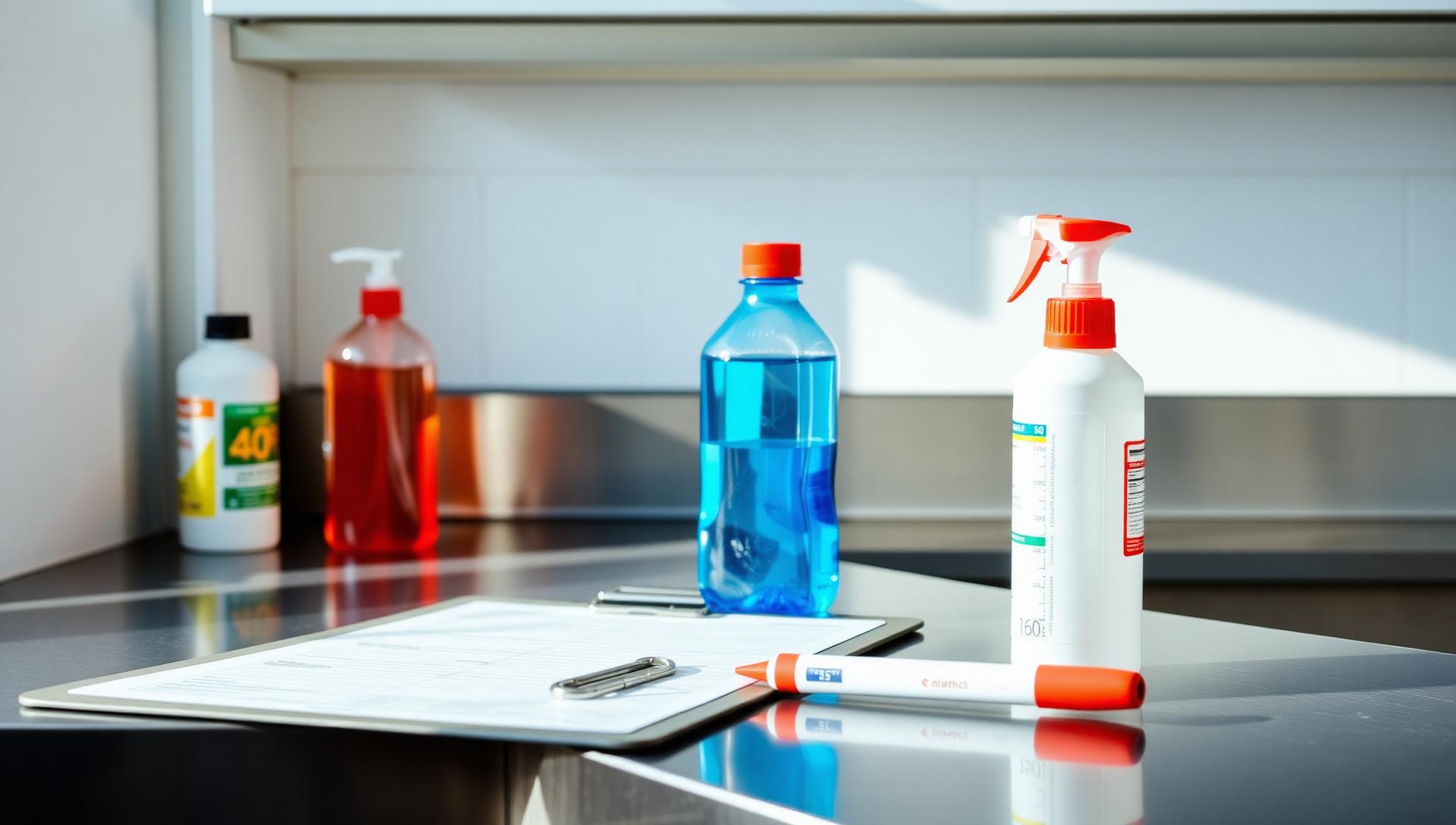
- Store chemicals away from food and label clearly.
4. Sanitation, Warewashing, and Pest Control
- Maintain three-compartment sink or machine with correct sanitizer concentration; test and log.
- Clean and sanitize food contact surfaces between tasks and at required frequencies.
- Use approved sanitizers and keep test strips available.
- Maintain current pest control records and correct findings immediately.
5. Employee Health and Hygiene
- Exclude employees with Big 6 symptoms or diagnoses; document policy.
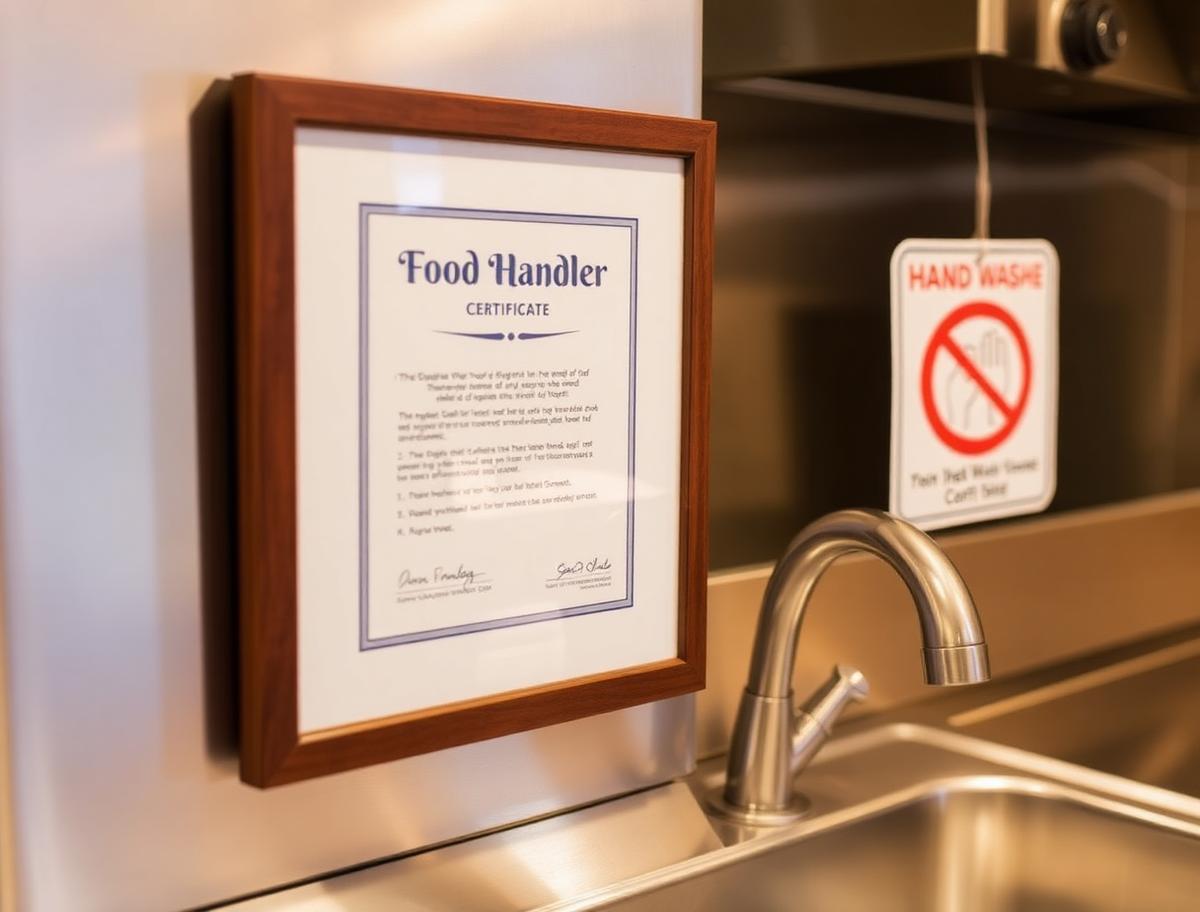
- Enforce handwashing at required moments with proper technique.
- Require and verify current CFPM and food handler certifications.
- Provide clean uniforms, hair restraints, and no jewelry on hands/arms.
6. Documentation and Records
- Keep temperature logs for coolers, freezers, hot hold, and cooking.
- Maintain training records, cleaning schedules, and pest reports.
- Retain supplier invoices and traceability info.
- Have prior inspection reports and corrective action records ready.
7. Self-Inspection and Drill Questions
- Walk the facility daily using the same checklist the inspector will use.
- Quiz staff on handwashing, temps, allergen handling, and exclusion policy.
- Check date marks, sanitizer, and storage every shift.
- Simulate an inspection with the team monthly.
8. Resources
- Local county or city health department environmental health page
- Current FDA Food Code and state/local adoption documents
- Approved CFPM providers (ServSafe, etc.)
- State restaurant association inspection prep guides
9. Disclaimer and Verification
This is a professional sample template for a Health Inspection Prep Checklist. It is not regulatory or legal advice. Requirements and scoring vary by jurisdiction and can change. Verify with your local health department. Current as of 2026-06.
Additional Depth Content
The sections below repeat structured guidance with additional paragraphs, examples, and reminders to reach required depth and line count. Each area includes numbered steps with blank lines between items as required.
Daily Walkthrough Reminders:
- Start at receiving and follow the flow through storage, prep, cooking, service, and dish.
- Open every cooler and check thermometers, date marks, and separation.
- Verify hand sinks are stocked and accessible.
- Check chemical storage and SDS location.
- Note any maintenance items and assign owners.
Critical Items Quick Reference Table
| Area | Critical Control | Acceptable | Common Fail | Immediate Fix |
|------|------------------|------------|-------------|---------------|
| Cold Hold | 41F or below | Thermometer in unit | >41F | Adjust/repair unit, move product |
| Sanitizer | Correct ppm | Test strip pass | Wrong conc. | Remake, retest |
| Date Mark | 7 day max | Clear label | No date | Discard or label |
| Handwash | Proper, frequent | Observed | Skipped | Retrain on spot |
| Cross Contact | Raw below RTE | Proper storage | Raw over RTE | Reorganize |
Expanded Numbered Guidance Blocks
- Keep a printed or digital inspection binder with logs, certs, and prior reports.
- Calibrate thermometers at the start of each shift.
- Conduct random plate and ticket audits for portion and temp accuracy.
- Review employee health policy with every new hire on day one.
- Schedule deep cleans on a documented calendar.
Additional Guidance Block for Line Count
- Step one for inspection-prep: obtain the exact inspection form or checklist your jurisdiction uses.
- Step two detail: map every station and assign a daily responsible person for each control point.
- Step three for readiness: run a full mock inspection unannounced.
- Step four: correct every minor issue before it becomes a violation.
- Step five: track violation trends over time and target training.
- Step six: maintain extra test strips, thermometers, and labels on hand.
- Step seven: brief the team on common recent violations in your area.
- Step eight: document corrective actions with photos when helpful.
- Step nine: review this checklist after every actual inspection.
- Step ten: update when the health department revises the code or forms.
Further Operational Depth
Treat inspection readiness as daily habit, not event. Numbered steps with blank separation between items.
- Never hide or move product during an inspection; show normal operations.
- Answer questions honestly and with specific actions taken.
- Request clarification on any violation before signing.
- Post required notices and grade cards per local rules.
- Use inspection results to improve systems, not just pass the next one.
- Keep the facility inspection-ready at all times.
- Celebrate clean inspections with the team.
- Update this prep kit with jurisdiction-specific details as they evolve.
This completes the core deliverable structure. Additional paragraphs and lists ensure comprehensive coverage of regulatory framework, temperature controls, sanitation, employee practices, documentation, self-inspection, and operational discipline while strictly following the required formatting conventions for merge fields, numbered lists, table width, and line count.