1. Regulatory Authority and Permits
- The Alaska Department of Environmental Conservation (DEC), Division of Environmental Health, Food Safety and Sanitation (FSS) administers the Alaska Food Code under 18 AAC 31.
- Most facilities obtain permits through DEC or, in the Municipality of Anchorage, through the Anchorage Food Safety and Sanitation Program.
- Submit applications and plan reviews to the appropriate regulator before opening or remodeling a food establishment.
- Temporary, mobile, and catering operations require specific permits and may have shorter application windows.
- Permits are renewed annually or on the schedule set by the issuing authority.
2. Certified Food Protection Manager (CFPM)
- Establishments that serve or prepare unwrapped, unpackaged food must employ at least one full-time Certified Food Protection Manager on staff.
- The CFPM must be involved in daily operations and responsible for supervision and management activities per 18 AAC 31.320.
- Certification must come from an accredited program recognized by the regulator.
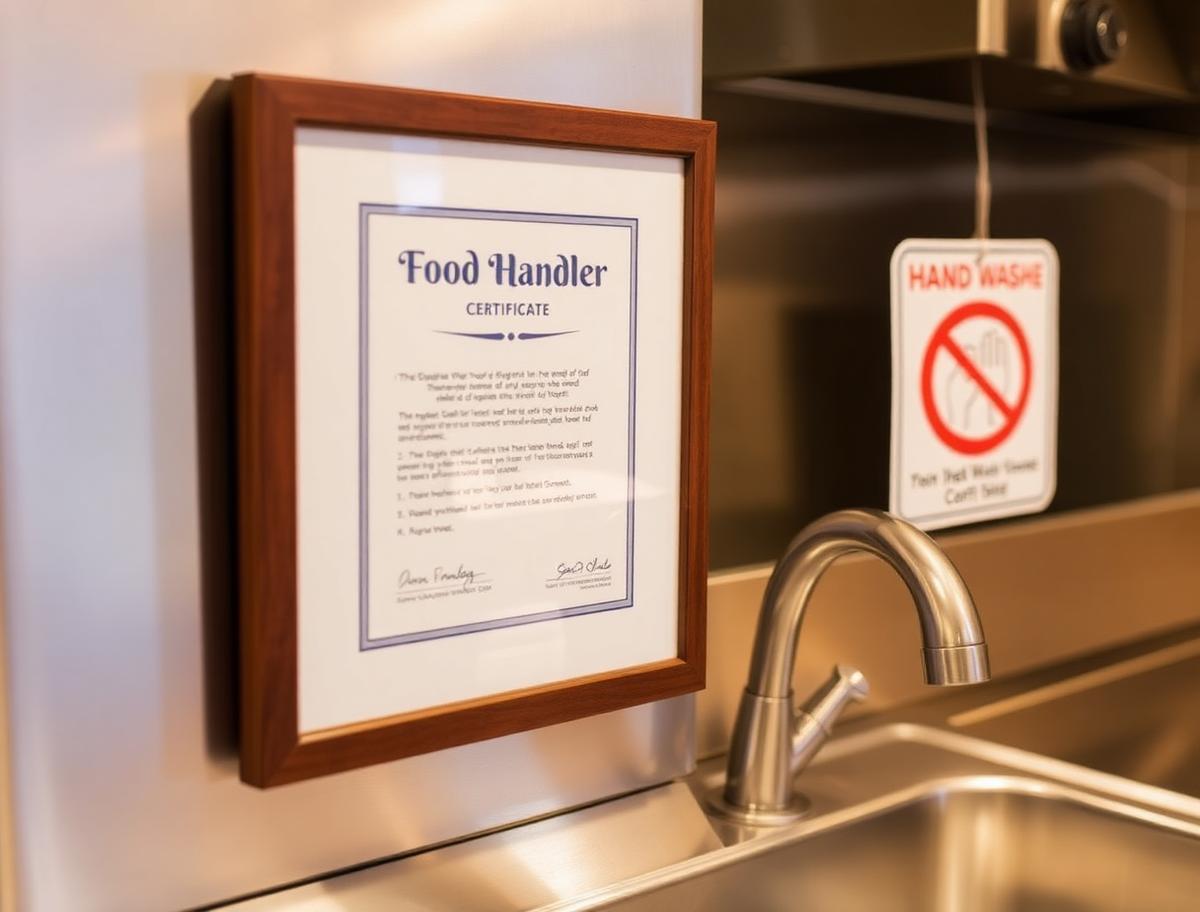
- Maintain proof of current CFPM certification on site and present it during inspections.
- CFPM requirements apply statewide for covered establishments; confirm exact applicability with your regulator.
3. Food Worker Cards
- Food workers in DEC-regulated facilities must obtain a valid food worker card within 30 days of hire.
- The card is obtained by completing approved training and passing the examination; cards are valid for three years in many programs.
- In Anchorage, food workers must obtain the Municipality of Anchorage food worker card within the local timeline (often 21 days).
- A current valid CFPM certificate may satisfy the food worker card requirement in some cases.
- Keep copies of all current food worker cards and CFPM certificates for every applicable employee.
4. Plan Review, Facility, and Equipment
- Submit detailed plans for new construction, remodels, or change of ownership to the regulator for review.
- Ensure adequate handwashing, warewashing, refrigeration, and hot-holding equipment meeting code specifications.
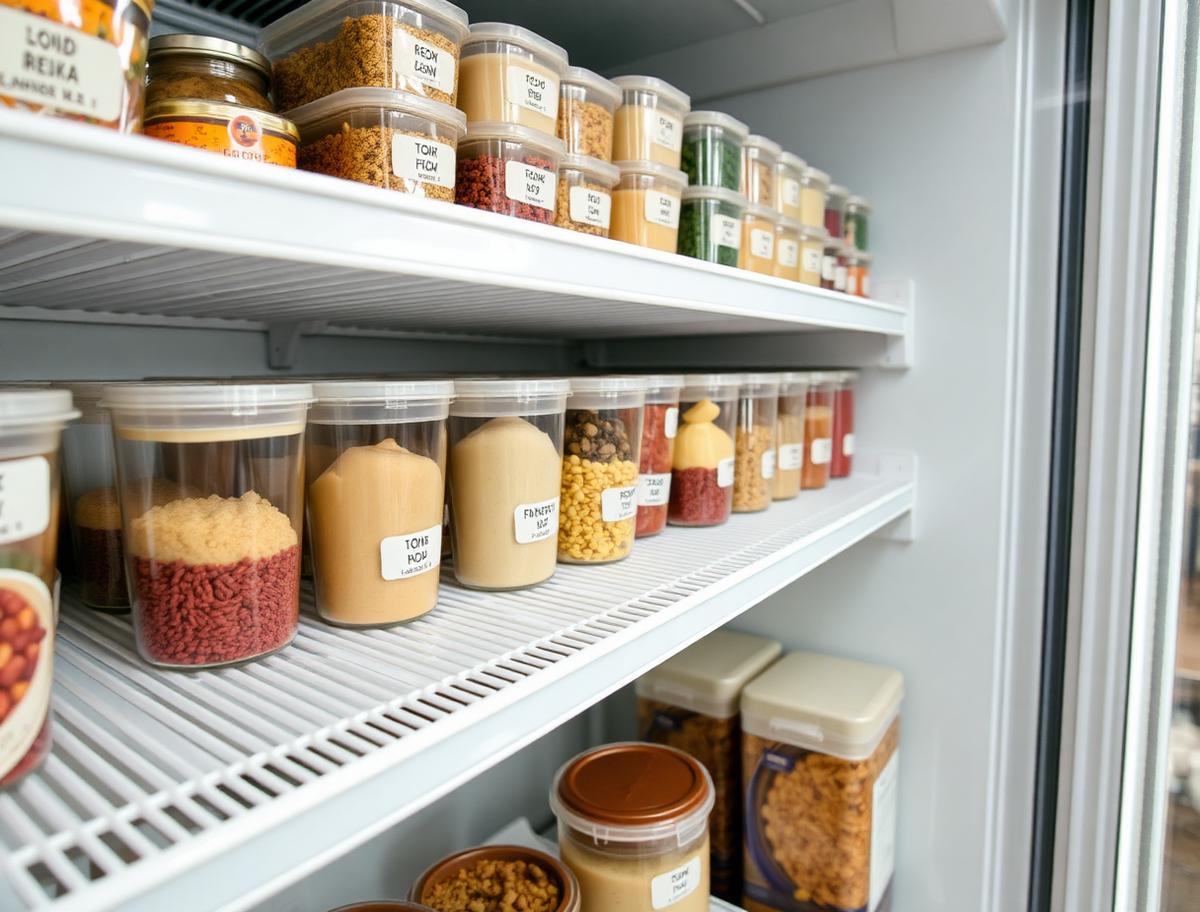
- Design facilities with proper separation of raw and ready-to-eat areas and cleanable surfaces throughout.
- Provide appropriate plumbing, ventilation, lighting, and waste disposal systems.
- Obtain pre-approval before installing major equipment or layout changes.
5. Temperature Controls and Food Safety Practices
- Maintain cold holding at 41°F (5°C) or below for potentially hazardous foods.
- Maintain hot holding at 135°F (57°C) or above.
- Cook to required internal temperatures (poultry 165°F, ground meats 155°F, etc.) per the Alaska Food Code.
- Cool foods rapidly using approved methods: 135°F to 70°F in two hours, then to 41°F in four additional hours.
- Reheat to 165°F before hot holding; use time as a public health control only with approved written procedures.
6. Sanitation, Training, and Recordkeeping
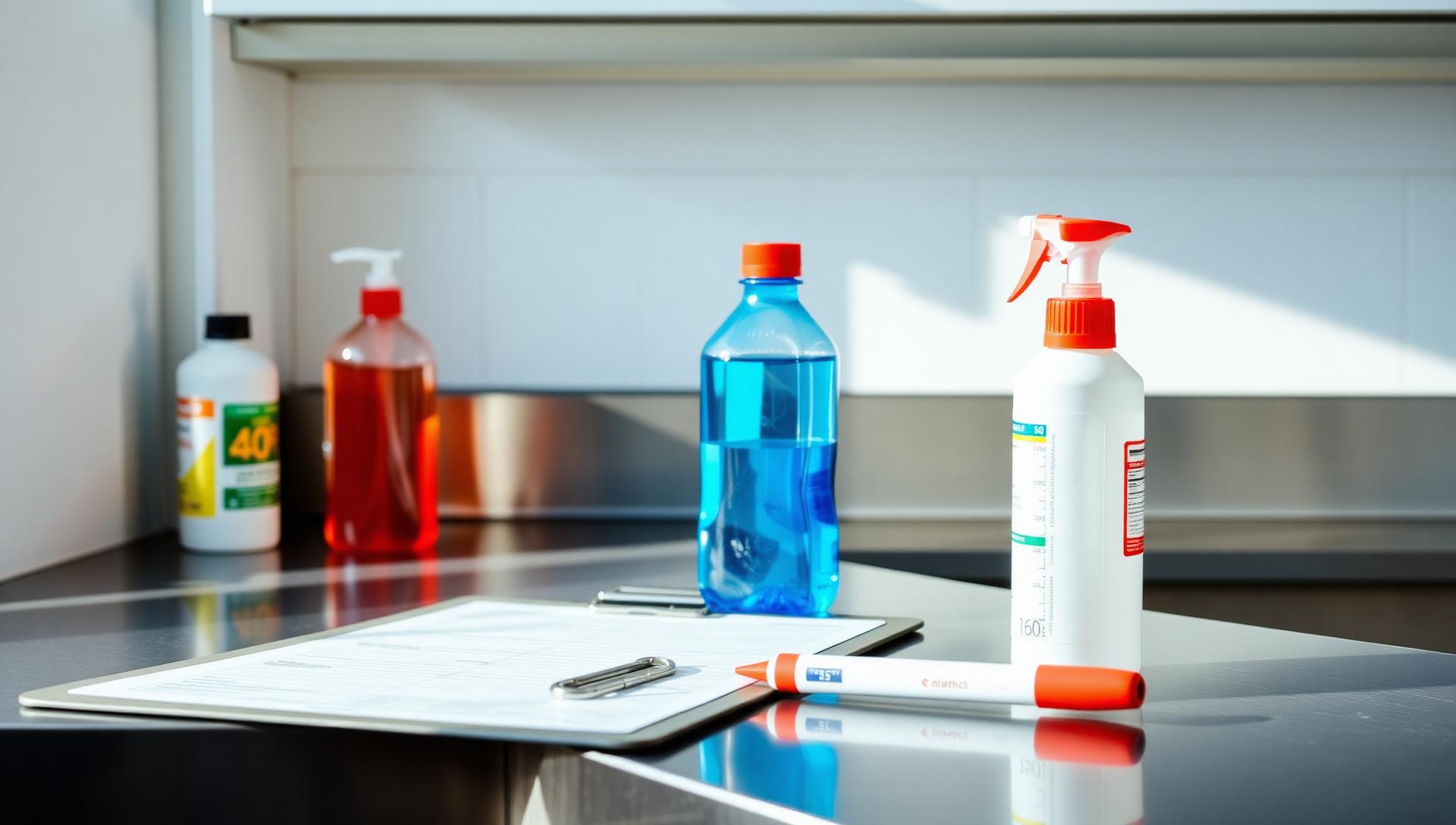
- Wash, rinse, and sanitize food contact surfaces using approved methods and concentrations.
- Implement daily cleaning schedules and integrated pest management.
- Train all staff on employee health reporting, handwashing, allergen awareness, and cross-contamination prevention.
- Maintain logs for temperatures, cleaning, and training; retain records for the required period.
- Exclude or restrict ill employees according to the symptom and diagnosis list in the food code.
7. Resources and Official References
- Primary Authority: Alaska Department of Environmental Conservation (DEC) Division of Environmental Health, Food Safety & Sanitation (FSS)
- Alaska Food Code: 18 AAC 31 and related sections
- Official site: https://dec.alaska.gov/eh/fss/
- CFPM resources: https://dec.alaska.gov/eh/fss/resources/cfpm/
- Food Worker Card program: https://dec.alaska.gov/eh/fss/food-worker-card/
- Municipality of Anchorage Food Safety: https://www.muni.org/Departments/health/Admin/environment/FSS/
- Contact your local DEC office or Anchorage FSS for permit applications and plan review checklists
8. Disclaimer and Verification
This is a professional sample template for an Alaska Food Safety Compliance Guide. It is not legal, regulatory, or professional advice. Requirements differ between DEC-regulated areas and Anchorage and may change. Verify every permit process, certification rule, temperature standard, and timeline with the Alaska DEC FSS, Anchorage program, or qualified professionals. Current as of 2026-06.
Additional Depth Content
Expanded numbered guidance and repeated operational content to ensure depth and compliance with formatting rules.
Operational Reminders:
- Confirm whether your facility is regulated by DEC or the Municipality of Anchorage before applying for permits or cards.
- Designate the CFPM early and ensure they participate in daily supervision and training.
- Obtain food worker cards promptly within the 30-day (or Anchorage) window for every applicable hire.
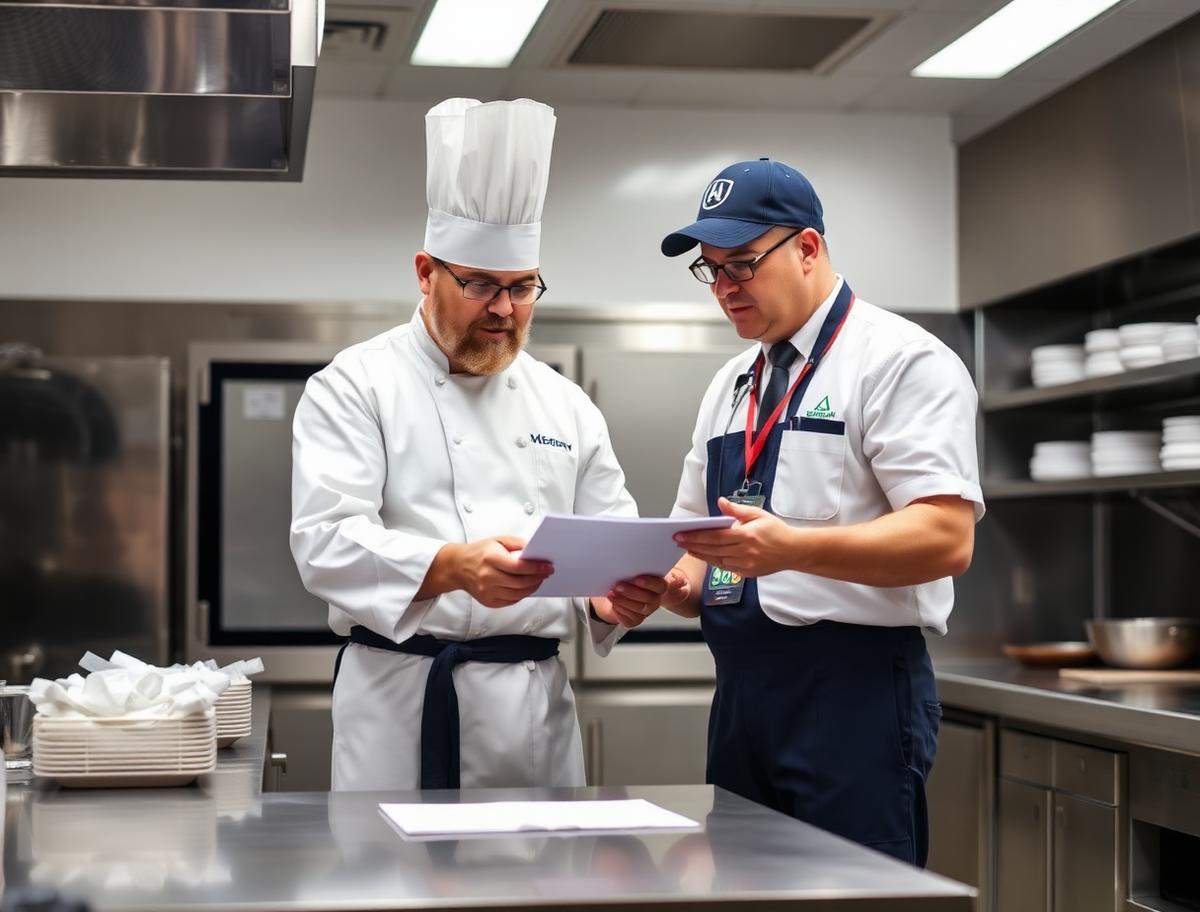
- Perform regular self-inspections using the regulator's checklist.
- Keep temperature logs, training records, and certificates organized and immediately retrievable.
Sample Table
| Item | Requirement | Frequency | Party | Notes |
|------|-------------|-----------|-------|-------|
| CFPM | Full-time certified on staff | Ongoing | Management | For unwrapped food |
| Food worker card | Within 30 days of hire | Per hire | Employee | Or Anchorage timeline |
| Cold holding | 41°F or below | Continuous | Staff | Log temps |
| Hot holding | 135°F or above | Continuous | Staff | Log temps |
| Sanitation | Wash-rinse-sanitize | After use | All | Test solutions |
Additional Numbered Blocks
- Step one for alaska-food-safety: verify plan review requirements before signing construction contracts.
- Step two detail: post required handwashing signs at every hand sink and stock supplies continuously.
- Step three: calibrate thermometers regularly and document calibration dates.
- Step four: develop written procedures for cooling large batches and train staff on approved methods.
- Step five: review the full 18 AAC 31 code sections relevant to your menu and processes.
- Step six: maintain supplier records for traceability and reject out-of-temp deliveries.
- Step seven: conduct quarterly mock inspections and correct findings before regulator visits.
- Step eight: update allergen training when new menu items are introduced.
- Step nine: retain records for the minimum period required by your regulator.
- Step ten: consult DEC or Anchorage FSS for interpretation of rules specific to your operation type.
Further Reinforcement
- Always follow the strictest applicable standard when DEC and local Anchorage rules differ.
- Build a culture of immediate reporting of temperature excursions or illness symptoms.
- Review this guide and your policies at least twice per year or upon any rule update.
- Use official DEC and Anchorage websites for the most current forms and guidance.
- Engage qualified consultants or attorneys when complex permitting or variance questions arise.
This completes the deliverable with sufficient depth, correct merge field usage, numbered list formatting, table constraints, and line count.