1. Regulatory Authority
- The Alabama Alcoholic Beverage Control Board (ABC Board) administers all alcoholic beverage licensing and compliance statewide.
- The ABC Board also acts as the wholesaler and primary retailer for distilled spirits in Alabama's control state system.
- Local city or county authorities often impose additional zoning, distance, and approval requirements that must be satisfied before state issuance.
- All applicants must demonstrate good character, financial responsibility, and compliance with local ordinances.
2. License Classes Relevant to Hospitality
- Restaurant Retail Liquor License - issued to locations whose primary business is preparing and serving meals to the public.
- Lounge Retail Liquor License (Class I or II) - for bars, lounges, and establishments where alcohol is the primary focus.
- Retail Beer (On or Off Premises) and Retail Table Wine licenses - available separately or in combination for beer/wine service.
- Club Liquor licenses (Class I or II) - for private clubs meeting specific membership and operational criteria.
- Additional permits may be required for delivery service, catering with alcohol, or special events.
3. Pre-Application Process
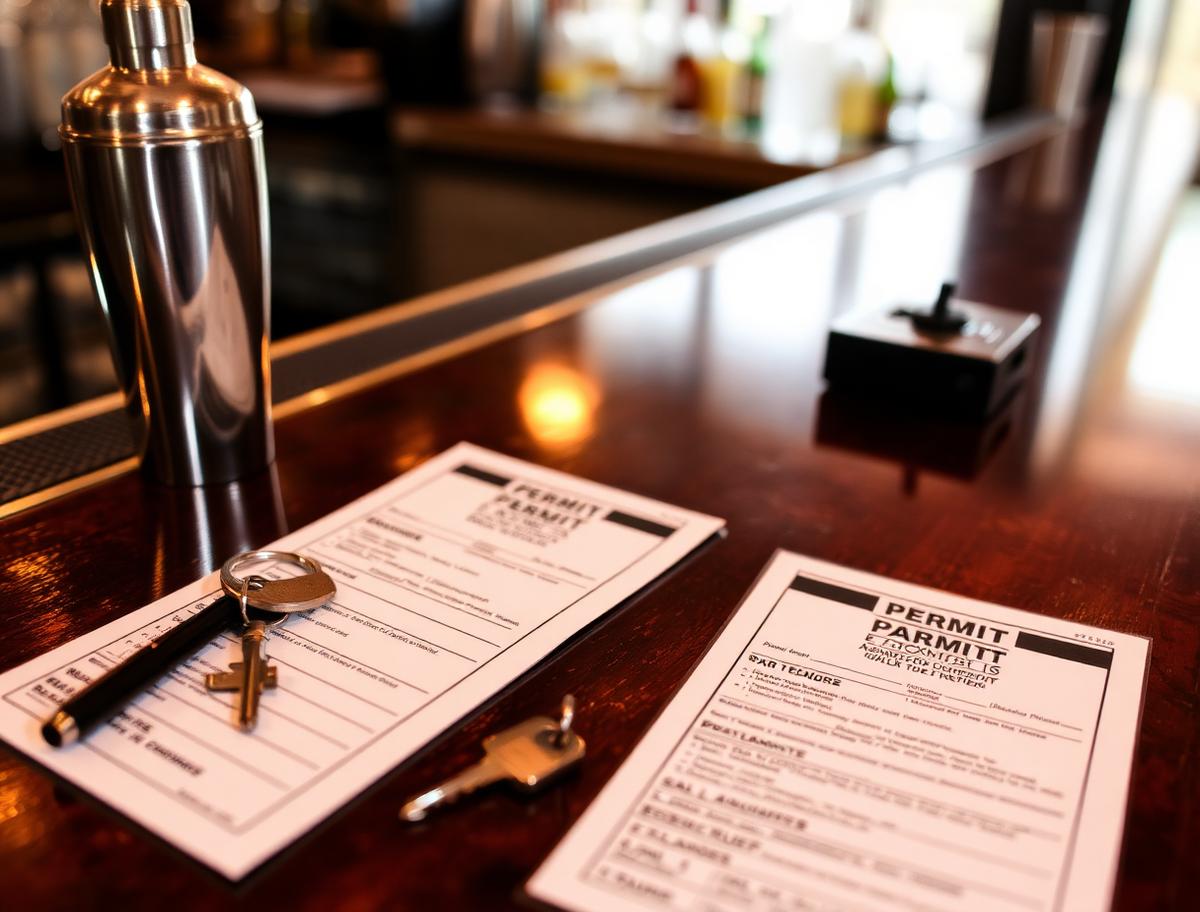
- Download and complete the current Pre-Application Form and Pre-Application Checklist (Form LCD-2) from the ABC Board website.
- Gather required documentation listed on the checklist including business formation papers, lease or ownership proof, zoning approval, and personal history forms.
- Contact your local ABC Division office to schedule an in-person appointment and submit the pre-application package.
- Pay the $50 application filing fee plus background check fees at the time of pre-application submission.
- Expect an initial review for completeness before the full application moves forward.
4. Full Application, Background Checks, and Approvals
- Complete full application materials and submit to the assigned division office after pre-application clearance.
- All owners, officers, and certain managers must undergo background checks administered through the Alabama Law Enforcement Agency (ALEA) process effective 2026.
- Provide proof of Alabama Responsible Vendor certification for the business and designated staff.
- Obtain and submit local business privilege license, sales tax permit, and any required health or fire permits.
- Local governing body (city council or county commission) may require public notice, hearing, or approval; a 30-day protest period commonly applies.
5. Fees, Timeline, and Renewal
- State license fees typically range from $200 to $1,050 annually depending on the specific license class and privileges (restaurant full liquor examples around $350).
- Additional one-time or annual costs include application fees, background checks, and local privilege taxes.
- Processing time commonly ranges from 30-90 days for straightforward applications but can extend to 3-12 months when local approvals or protests are involved.
- Licenses are generally issued for one year and must be renewed before expiration with updated documentation and fees.
- Maintain current dram shop liability insurance coverage of at least $100,000 per occurrence as a condition of licensure.
6. Key Operational Requirements
- Restaurant Retail Liquor licenses require that the location be habitually and principally used for meal service during normal dining hours.
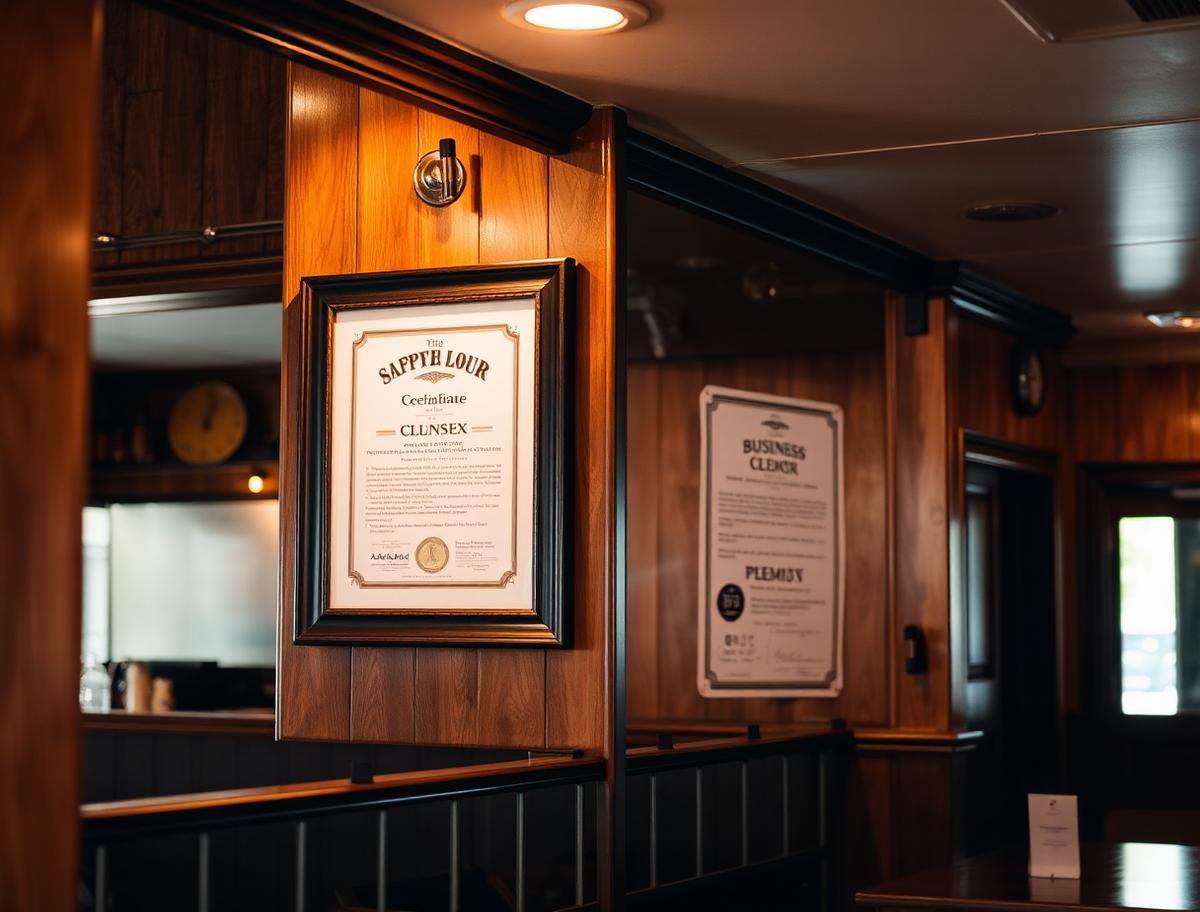
- Post the license conspicuously on the premises and ensure it remains current and visible.
- Train and certify staff under the Alabama Responsible Vendor program; keep certificates on file.
- Comply with all advertising, happy hour, and service hour restrictions set by the ABC Board and local ordinances.
- Maintain accurate records of purchases, sales, and inventory; the control state structure affects how spirits are obtained.
7. Resources and Official References
- Primary Authority: Alabama Alcoholic Beverage Control Board (ABC Board)
- Official site and applications: https://alabcboard.gov/
- How to Apply and forms: https://alabcboard.gov/licensing-compliance/how-to-apply (Pre-Application Checklist LCD-2 and forms)
- Division offices for in-person submissions: listed on the ABC Board site
- Alabama Responsible Vendor program details via ABC Board
- Local city/county planning and zoning offices for location approvals
- ALEA for current background check packet instructions
8. Disclaimer and Verification
This is a professional sample template for an Alabama Liquor License Guide. It is not legal, regulatory, or professional advice. Fees, forms, processing times, and requirements change and vary by license type and locality. Verify every detail, fee schedule, insurance minimum, and procedure directly with the Alabama ABC Board, your division office, and local authorities before proceeding. Current as of 2026-06.
Additional Depth Content
The sections below repeat structured guidance with additional paragraphs, examples, and reminders to reach required depth and line count. Each area includes numbered steps with blank lines between items as required.
Pre-Application and Documentation Reminders:
- Confirm that your concept meets the primary business test for the license class you are seeking before investing in build-out.
- Assemble personal history statements and financial responsibility documentation for every person with ownership interest.
- Verify zoning allows the intended alcohol service at the specific address including any distance restrictions from schools or churches.
- Obtain written lease or deed documentation that explicitly permits the sale and service of alcoholic beverages.
- Prepare a detailed floor plan showing bar location, dining areas, storage, and service flow for the application package.
Licensing Checklist Table
| Item | Requirement | Responsible | Timeline | Notes |
|------|-------------|-------------|----------|-------|
| Pre-app form LCD-2 | Completed + checklist | Owner | Before appointment | Include all docs |
| Background check | ALEA packet + fee | All owners/managers | With pre-app | New 2026 process |
| Local approval | Zoning + governing body | Owner | Varies | May include hearing |
| Responsible Vendor | Certification | Business + staff | Prior to issuance | Renew as required |
| Insurance | Dram shop $100k+ | Owner | Continuous | Provide proof |
| License posting | Display current license | Manager | Daily | Visible to public |
Expanded Numbered Guidance Blocks
- Schedule the division office appointment only after the pre-application package is fully assembled to avoid delays.
- Track every submission with dated copies and follow up politely if no acknowledgment is received within the expected window.
- Budget for potential delays caused by local protest periods or requests for additional information from the ABC Board.
- Train management on record retention requirements for invoices, sales records, and employee certifications.
- Re-check the ABC Board website before renewal season for any updated forms or fee schedules.
Additional Guidance Block for Line Count
- Step one for alabama-liquor-license: verify your location satisfies any municipal distance or quota rules before signing a lease.
- Step two detail: prepare a business plan summary that demonstrates the primary use of the premises for meal service if applying for restaurant retail liquor.
- Step three for compliance: maintain a current list of all certified Responsible Vendor employees and post required signage.
- Step four: keep dram shop insurance certificates current and present them upon any ABC inspection or renewal.
- Step five: understand that Alabama is a control state for spirits - source product through approved channels only.
- Step six: document all transfers of ownership or management changes and notify the ABC Board promptly.
- Step seven: review advertising and promotion plans against current ABC rules before launch.
- Step eight: prepare for possible local hearings by engaging community stakeholders early.
- Step nine: retain copies of every permit, license, and inspection for the full retention period required.
- Step ten: consult the ABC Board or qualified attorney for interpretation specific to your operating model and county.
Further Operational Depth
Follow all applicable Alabama ABC Board rules and local ordinances. Numbered steps with blank separation between items.
- Confirm that any outdoor service area or patio is properly permitted for alcohol service if planned.
- Implement age verification procedures and train staff on acceptable forms of identification.
- Maintain separation of alcohol storage from food storage in compliance with health and ABC requirements.
- Review monthly sales reports and tax filings to ensure alignment with license privileges.
- Prepare contingency plans for temporary suspension or transfer of the license during ownership changes.
- Monitor legislative updates that may affect fees, insurance minimums, or service rules in future sessions.
- Use the official ABC Board site as the authoritative source for the most recent pre-application checklist and forms.
- Engage local counsel familiar with ABC practice in your county for complex applications or protests.
- Keep the physical license certificate clean, framed, and in the required prominent location at all times.
- Update this guide whenever the ABC Board publishes new guidance, form revisions, or policy changes.
This completes the core deliverable structure. Additional paragraphs and lists ensure comprehensive coverage of licensing classes, pre-application steps, background and local approvals, fees, timelines, operational rules, and recordkeeping for Alabama hospitality operators while strictly following the required formatting conventions for merge fields, numbered lists, table width, and line count.