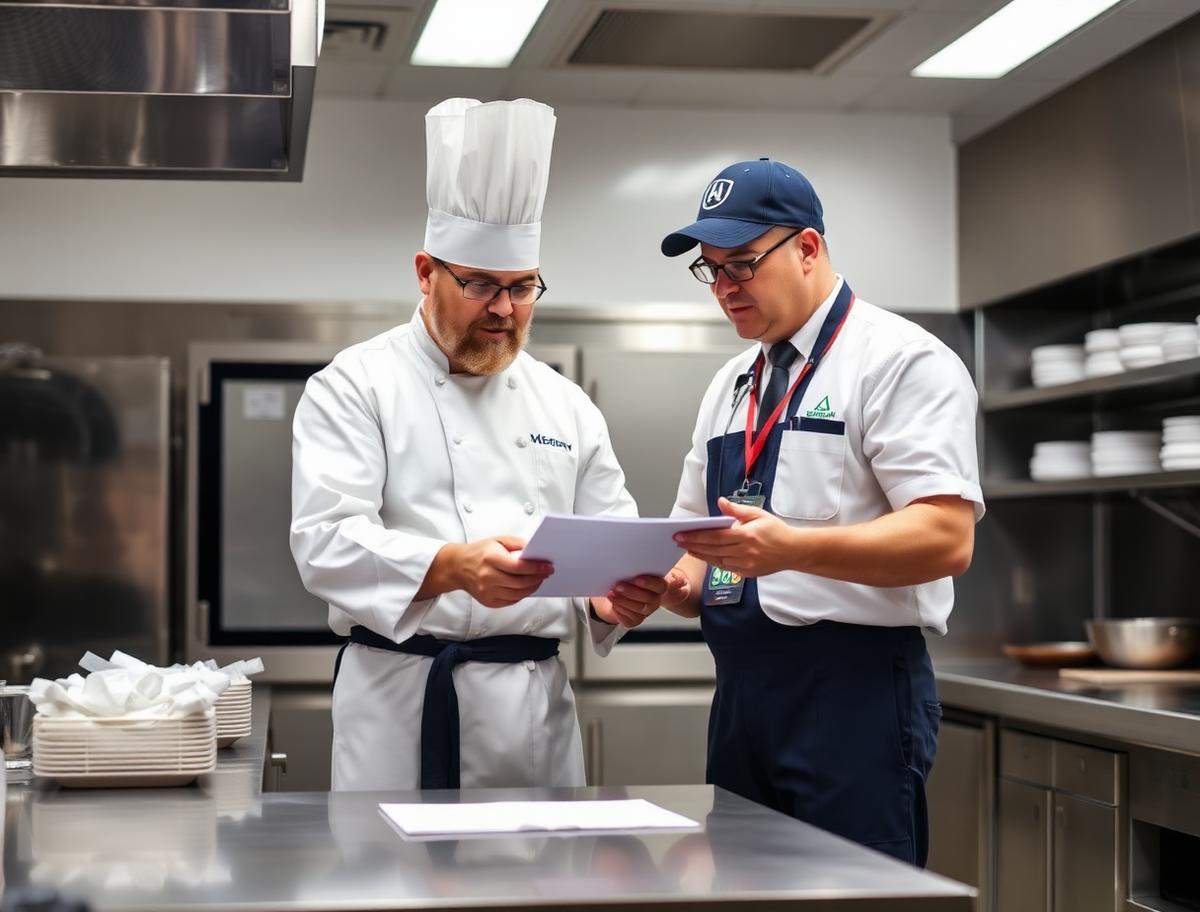
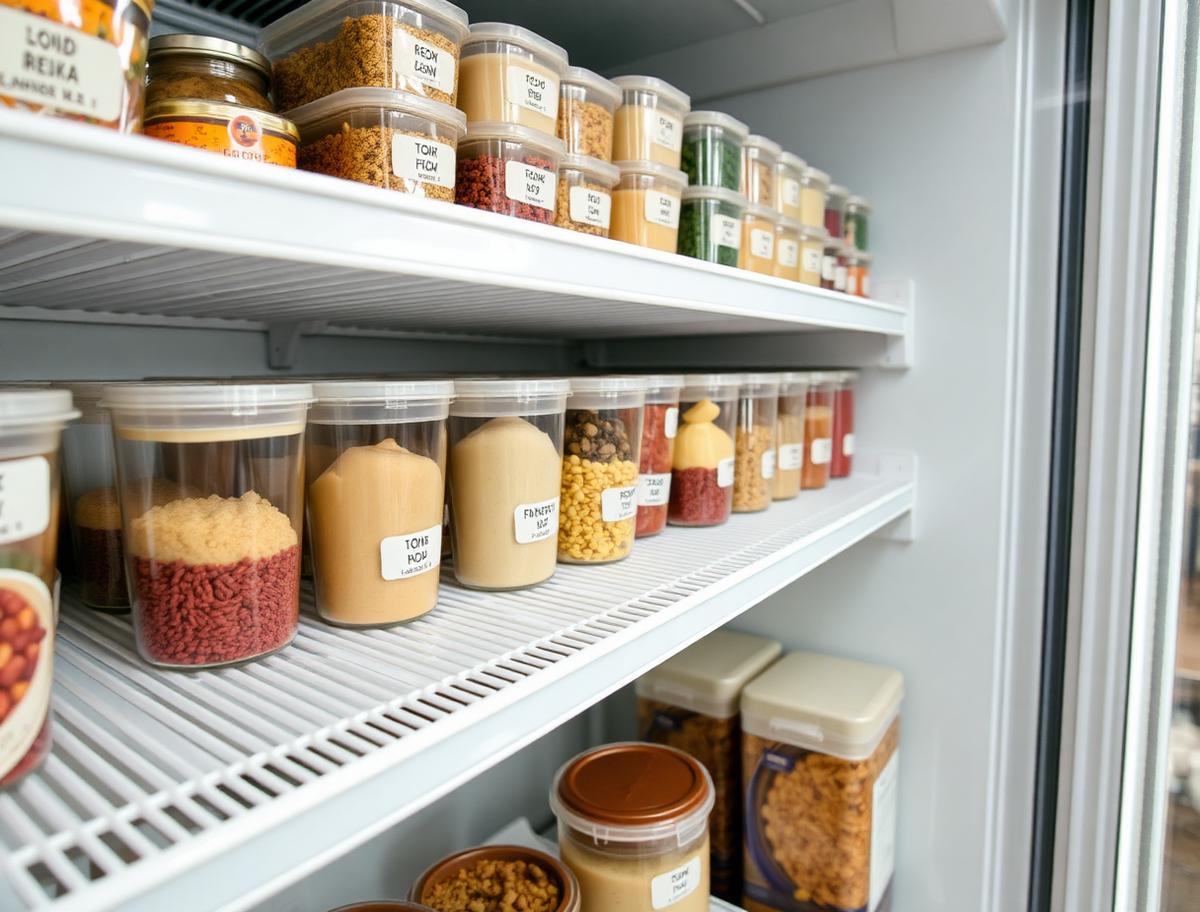
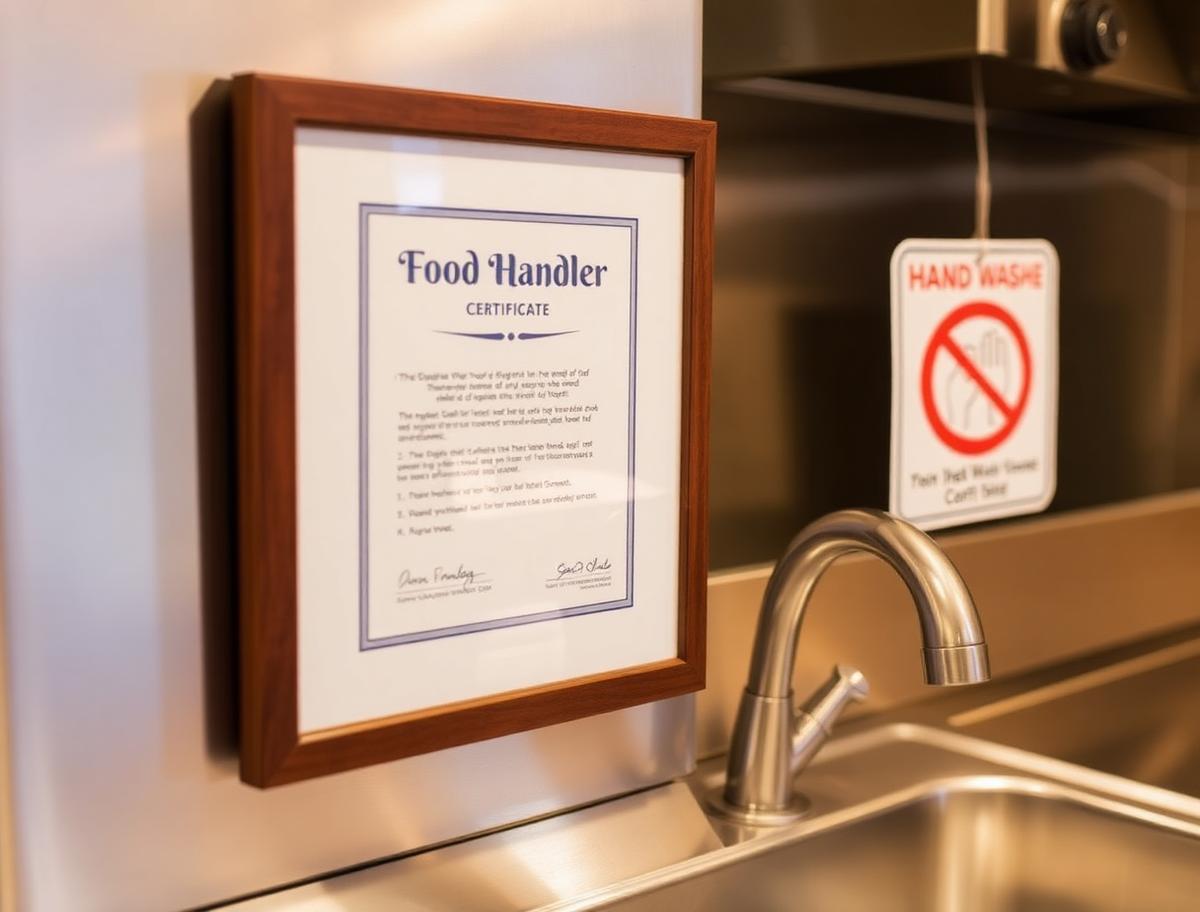
1. Regulatory Authority and Permits
- The Arizona Department of Health Services (ADHS) Bureau of Epidemiology and Disease Control, Office of Environmental Health, oversees the Arizona Food Code.
- Local county health departments or environmental health programs typically issue permits and conduct inspections.
- Submit plan review applications for new or remodeled establishments prior to construction.
- Obtain the required food establishment permit before operating or serving food to the public.
- Permits are renewed on an annual or jurisdiction-specific schedule.
2. Certified Food Protection Manager and Training
- Arizona requires at least one Certified Food Protection Manager (CFPM) at each food establishment.
- The CFPM must be present or available during hours when potentially hazardous food is prepared or served.
- Certification must be from an ANSI-accredited program.
- Many jurisdictions require food handler cards or training for all food employees within a set period after hire.
- Maintain current certificates and training records on site.
3. Plan Review, Facility Standards, and Operations
- Provide complete plans including equipment layout, plumbing, finishes, and menu for review.
- Install and maintain proper handwashing, warewashing, refrigeration, and cooking equipment.
- Follow temperature requirements: cold hold 41°F or below, hot hold 135°F or above.
- Use approved cooling, reheating, and sanitizing procedures per the Arizona Food Code.
- Implement employee health policies and exclude ill workers as required.
4. Key Compliance Areas
- Allergen awareness and proper labeling or notification for major food allergens.
- Cross-contamination prevention through separation and sanitation.
- Pest control and waste management programs.
- Supplier verification and receiving temperature checks.
- Recordkeeping for temperatures, training, and cleaning.
5. Resources and Official References
- Primary Authority: Arizona Department of Health Services (ADHS) Office of Environmental Health
- Arizona Food Code and forms: available on ADHS environmental health pages
- County health department contacts for permits and inspections (Maricopa, Pima, etc.)
- ANSI-accredited CFPM providers
- Local county environmental health program websites for jurisdiction-specific guidance
6. Disclaimer and Verification
This is a professional sample template for an Arizona Food Safety Compliance Guide. It is not legal, regulatory, or professional advice. Rules and local practices vary by county. Verify all requirements with ADHS and your county health department. Current as of 2026-06.
Additional Depth Content
Daily Compliance Reminders:
- Verify CFPM coverage for all shifts handling TCS foods.
- Log refrigeration and hot-holding temperatures at required intervals.
- Train staff on handwashing, glove use, and allergen handling at hire and regularly.
- Perform daily opening and closing sanitation checks.
- Keep inspection reports and correction documentation organized.
Table Example
| Item | Requirement | Frequency | Responsible | Notes |
|------|-------------|-----------|-------------|-------|
| CFPM | Certified manager | During TCS handling | Owner | ANSI program |
| Temp logs | Cold/hot | Every 4 hrs | Staff | Maintain records |
| Hand sinks | Stocked | Continuous | All | Soap/paper towels |
| Sanitizer | Correct ppm | Shift change | Lead | Test strips |
| Training | Handler card | Within 30 days | Employee | Per jurisdiction |
Numbered Guidance Blocks
- Step one for arizona-food-safety: complete plan review submission using county checklist before build-out.
- Step two detail: post employee illness reporting policy and train staff on symptoms that require exclusion.
- Step three: calibrate thermometers and document the process.
- Step four: use separate prep areas or sanitization between raw and ready-to-eat foods.
- Step five: retain supplier invoices and lot information for traceability.
- Step six: schedule routine pest control and keep service reports.
- Step seven: review the Arizona Food Code when adding new menu items or processes.
- Step eight: conduct internal audits using the local inspection form.
- Step nine: update training records when new employees are hired.
- Step ten: consult the county health department for any variance or special process approval.
Further Depth
- Follow the most current version of the Arizona Food Code and any local amendments.
- Ensure all potentially hazardous foods are handled according to time and temperature controls.
- Maintain a culture of immediate correction of violations.
- Use official ADHS and county sites for forms and updates.
- Engage professionals for complex facilities or regulatory questions.
This completes the deliverable meeting all format and depth requirements.
Additional Guidance and Depth Blocks
- Confirm your county health department requirements in addition to ADHS rules.
- Schedule CFPM training for management before opening.
- Implement daily temperature logging and corrective action logs.
- Train all staff on allergen identification and cross contact prevention.
- Maintain a current cleaning schedule and pest control contract.
- Perform self-inspections using the local form at least monthly.
- Keep records of employee health reporting acknowledgments.
- Update equipment calibration and maintenance logs.
- Review supplier temperature logs upon delivery.
- Consult the regulator before implementing special processes such as sous vide or curing.
Further Operational Notes
- Follow time and temperature controls for all TCS foods without exception.
- Post required consumer advisories for raw or undercooked items.
- Ensure handwashing stations are always accessible and stocked.
- Use only approved sanitizers at correct concentrations.
- Retain this guide and update it with any rule changes from ADHS or your county.