1. Brand and Menu Concept
- Define a focused menu optimized for delivery: items that travel well, reheat easily, and maintain quality after 20-40 minutes in transit.
- Limit SKU count to high-velocity items that fit kitchen throughput and packaging constraints.
- Use distinctive naming and descriptions that photograph well and convey value on app screens.
- Engineer portions and packaging to minimize sogginess, leakage, and temperature loss.
2. Platform Strategy and Economics
- List on the major platforms (DoorDash, Uber Eats, Grubhub, and any regional) with complete profiles, high-quality photos, and accurate hours.
- Account for platform commissions (typically 15-30% + fees) and packaging costs in all pricing.
- Set menu prices to protect target contribution margin after all marketplace deductions.
- Use platform promotions and ads selectively while building owned channels (website, app, SMS, social) to reduce fee leakage over time.
3. Kitchen Operations and Throughput
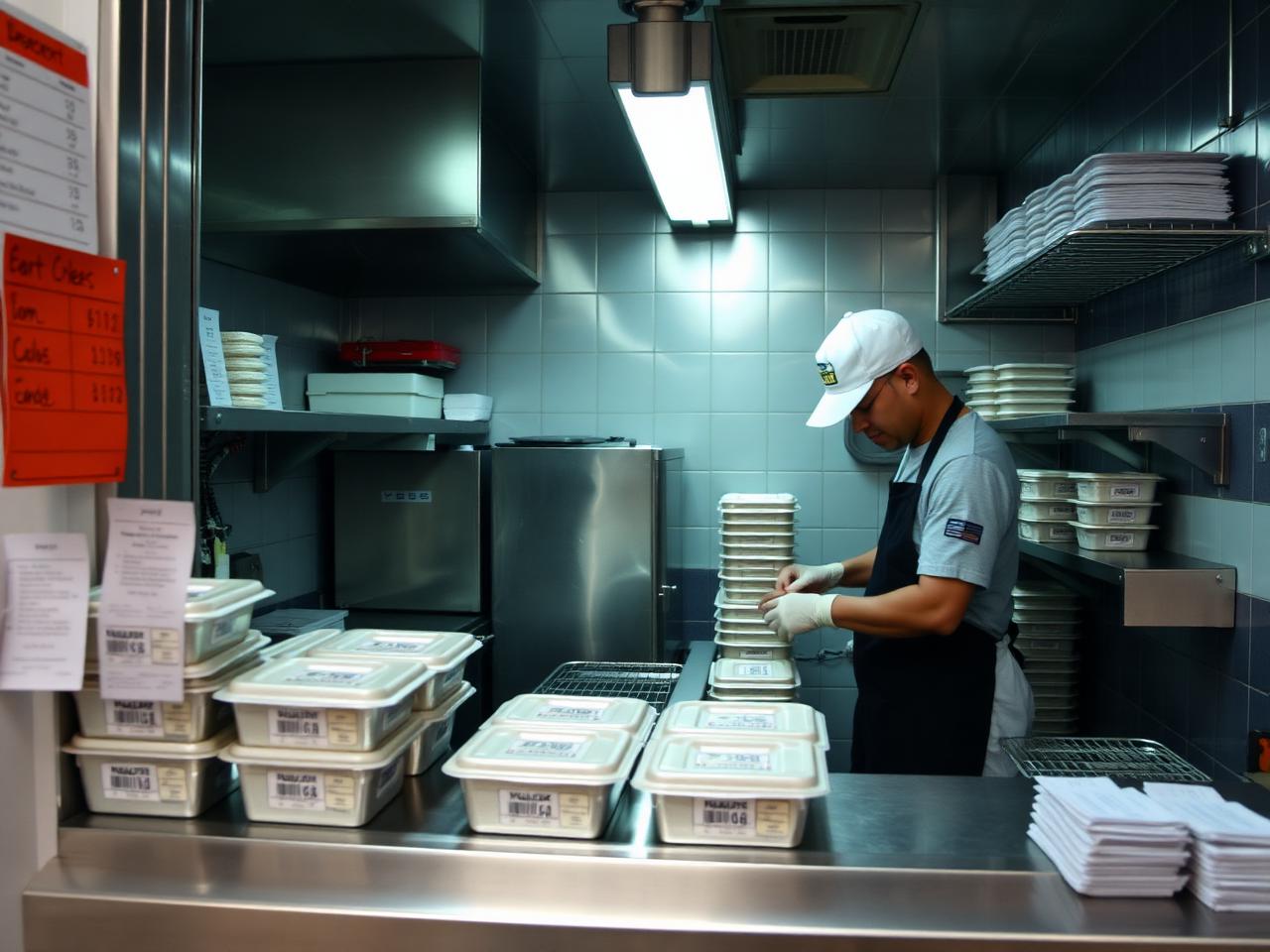
- Map prep stations, holding, and packaging flow for speed and minimal cross-traffic.
- Establish par levels, mise en place, and batch cooking schedules aligned to peak delivery windows.
- Standardize recipes with exact specs, timers, and photos for consistency across shifts.
- Track ticket times and implement targets (e.g., 8-12 minutes from order to handoff).
4. Packaging, Presentation, and Quality
- Select leak-proof, insulated, and vented packaging appropriate for each menu category.
- Include clear labeling, reheating instructions, and brand inserts where helpful.
- Design portioning and assembly to survive typical delivery conditions.
- Conduct test deliveries and gather feedback on quality upon arrival.
5. Marketing and Launch Timeline
- Soft launch with friends/family, staff, and select local influencers to refine ops and photos.
- Build Google Business Profile, website landing page, and social presence before heavy paid spend.
- Run targeted local ads and in-app promotions for the first 30-60 days to build ratings and reviews.
- Incentivize reviews and repeat orders with loyalty offers or first-order discounts.
6. KPIs and Economics
- Track daily orders, AOV, prep time, rating, cancellation rate, and contribution margin after fees.
- Monitor platform mix and shift volume toward lower-fee or owned channels.
- Calculate true unit economics including packaging, labor allocation, and waste.
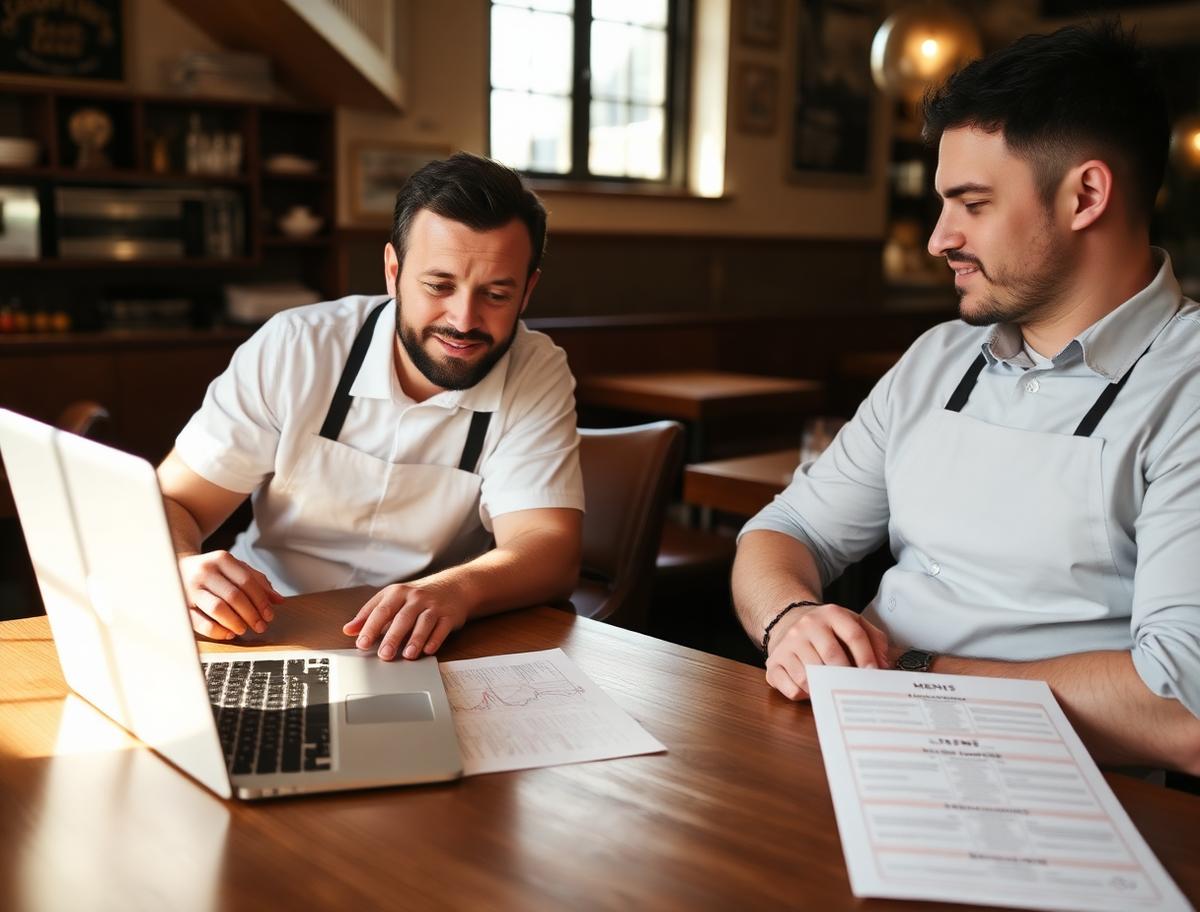
- Set weekly review cadence to adjust menu, pricing, and marketing.
7. Resources
- Platform partner portals for merchant tools and analytics
- Packaging suppliers specializing in delivery
- Local ghost kitchen or commissary operators for capacity benchmarking
- POS and online ordering systems integrated with multiple marketplaces
8. Disclaimer and Verification
This is a professional sample template for a Ghost Kitchen Launch Plan. It is not financial or operational advice. Platform fees, consumer behavior, costs, and regulations change. Validate all assumptions with your actual kitchen, supplier quotes, and platform terms. Current as of 2026-06.
Additional Depth Content
The sections below repeat structured guidance with additional paragraphs, examples, and reminders to reach required depth and line count. Each area includes numbered steps with blank lines between items as required.
Menu Engineering for Delivery Reminders:
- Eliminate items with sauces that separate or breads that become soggy.
- Favor sturdy proteins and vegetables; test fried items for crisp retention.
- Group menu into categories that allow efficient batch prep during peaks.
- Price add-ons and bundles to increase AOV without slowing the line.
- Remove low-velocity items quickly based on first 2-4 weeks of data.
Launch Timeline Table
| Week | Focus | Key Actions | Owner | Success Metric |
|------|-------|-------------|-------|----------------|
| -2 | Setup | Profiles, packaging, test recipes | Ops | All platforms live |
| -1 | Soft | Friends/family orders, feedback | Team | 50+ test orders |
| 1 | Launch | Paid promos, review push | Marketing | 4.5+ rating |
| 2-4 | Optimize | Menu tweaks, cost control | Ops+Owner | Positive margin |
| 5+ | Scale | Volume + owned channels | All | Repeat rate |
Expanded Numbered Guidance Blocks
- Audit every order for accuracy and packaging before driver pickup.
- Photograph every menu item in final packaging under realistic lighting.
- Negotiate packaging costs based on volume forecasts.
- Set daily prep lists from forecasted orders the night before.
- Debrief after each service on bottlenecks and quality issues.
Additional Guidance Block for Line Count
- Step one for ghost-kitchen-plan: validate kitchen capacity against projected peak hour orders.
- Step two detail: cost every item including packaging and platform fees before publishing prices.
- Step three for operations: implement a runner/pack station separate from cooking line.
- Step four: create a photo style guide for consistent app imagery across platforms.
- Step five: run weekly P&L by platform to identify best and worst performers.
- Step six: build a simple loyalty list (SMS or email) from day one.
- Step seven: test alternative fulfillment windows or cut-off times for quality.
- Step eight: document driver handoff process and temperature checks if using own drivers.
- Step nine: maintain insurance appropriate for food delivery and shared kitchen use.
- Step ten: update forecasts and labor model monthly as volume stabilizes.
Further Operational Depth
Follow disciplined execution and data-driven iteration. Numbered steps with blank separation between items.
- Protect brand reputation by refusing to send orders that do not meet quality standards.
- Rotate menu seasonally or with supplier price changes to protect margins.
- Cross-train all staff on packaging and expediting for peak reliability.
- Track driver wait times and coordinate with platforms on pickup slots.
- Review competitor delivery menus and pricing regularly.
- Keep the facility clean and organized for health inspections and partner visits.
- Archive weekly performance snapshots for trend analysis.
- Update this plan whenever major platform policy or cost changes occur.
This completes the core deliverable structure. Additional paragraphs and lists ensure comprehensive coverage of brand concept, platform economics, kitchen throughput, packaging, launch, KPIs, and ongoing optimization for ghost kitchen operators while strictly following the required formatting conventions for merge fields, numbered lists, table width, and line count.