Program Vision and Target Guest Experience
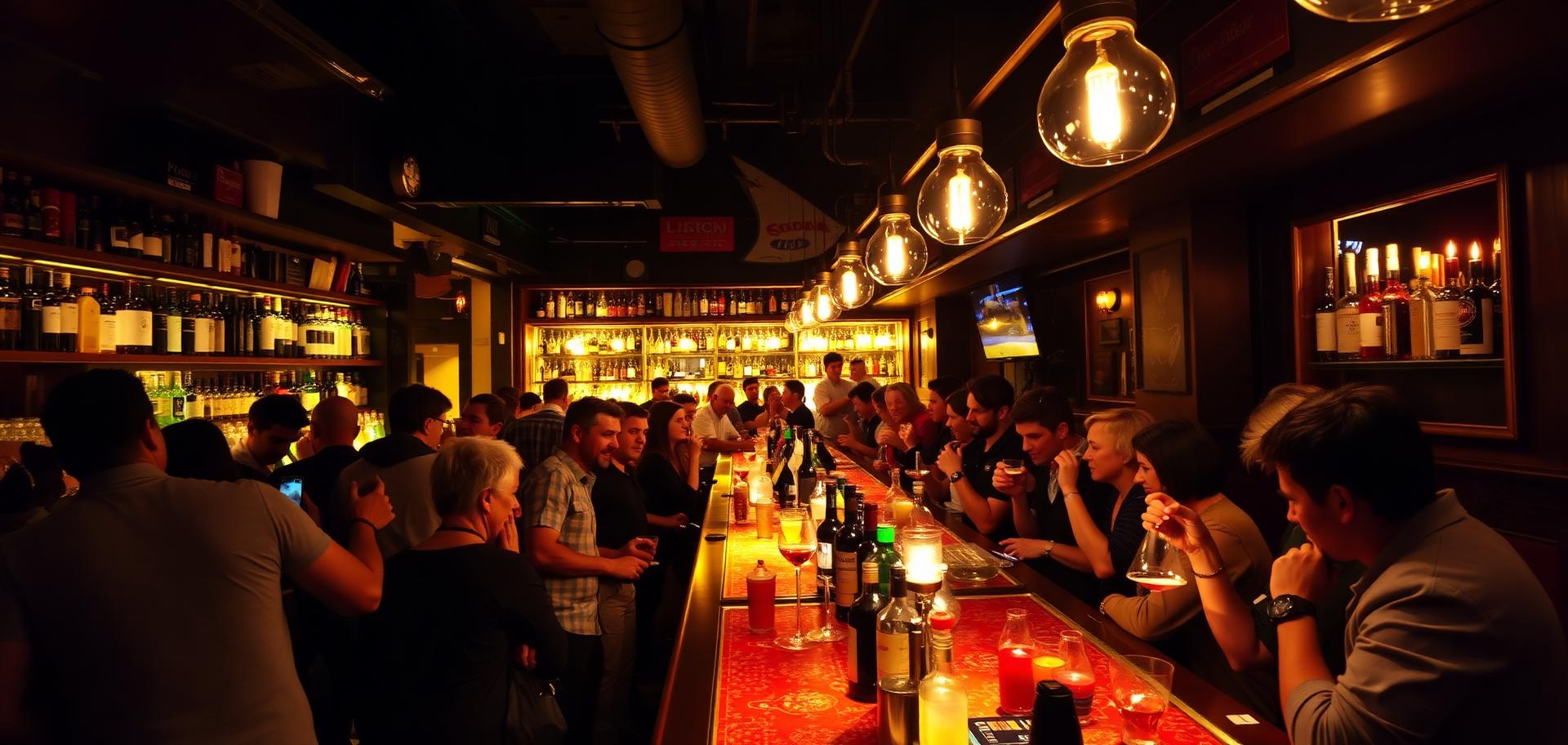
Overall Concept: [[e.g. Classic craft cocktail bar with local spirits focus, or upscale wine program with small-plate pairings]]
Target Guest Profile: [[Demographics, occasion types - date night, after-work, celebrations]]
Signature Experience Pillars:
- [[Pillar 1, e.g. Warm, knowledgeable service with storytelling]]
- [[Pillar 2, e.g. Balanced menu of classics and seasonal signatures]]
- [[Pillar 3, e.g. Responsible service and inclusive non-alcoholic options]]
The program must deliver consistent quality, speed, and hospitality while maintaining strong margins and inventory control.
Menu Architecture and Categories
The beverage menu is organized into the following sections. Each section should contain a balanced mix of high-margin and guest-favorite items.
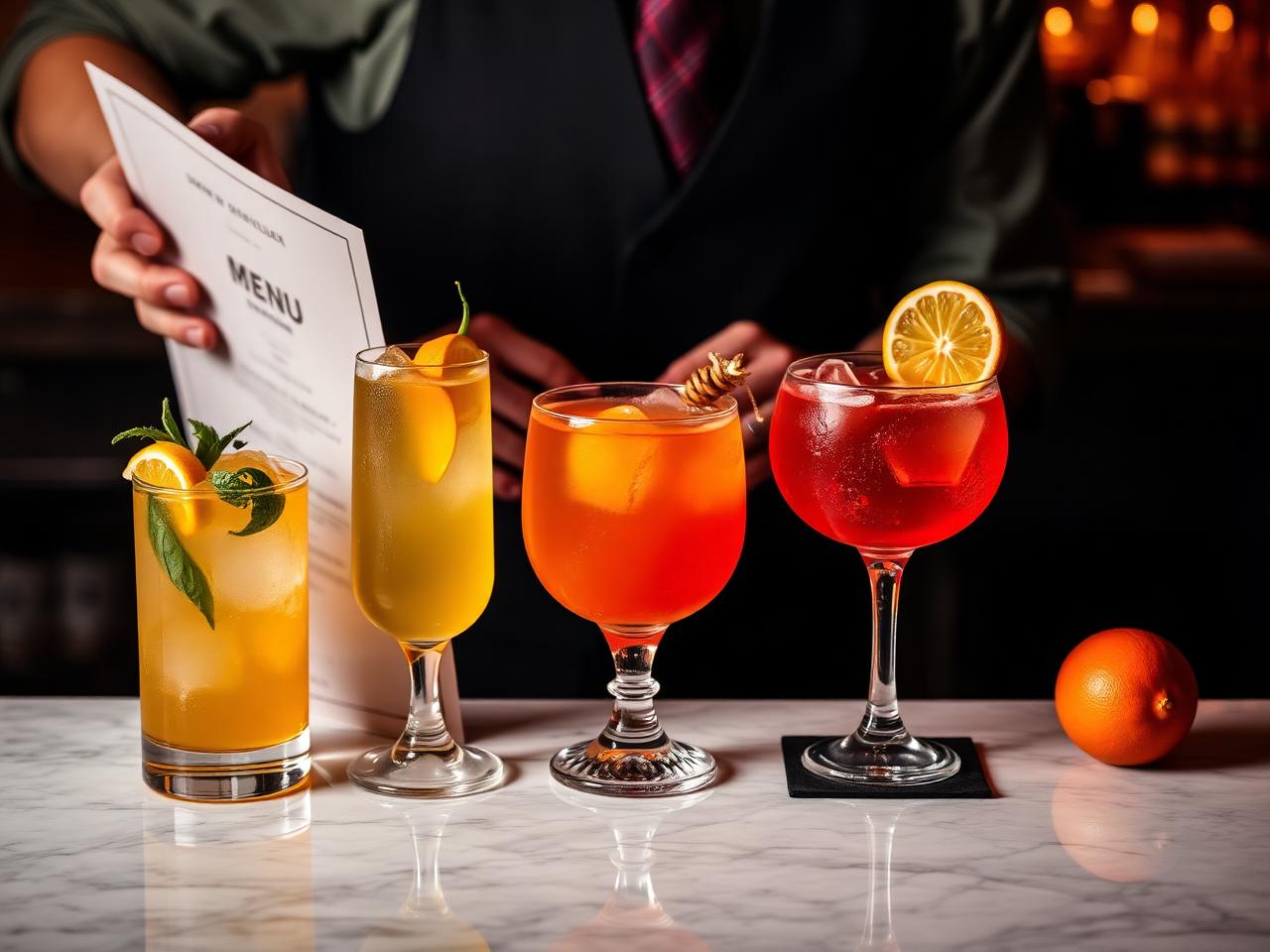
- Signature Cocktails (4-8 items) - house creations using core spirits and seasonal ingredients.
- Classics (6-10 items) - well-executed standards that anchor the program.
- Spirit-Free and Low-ABV (3-6 items) - inclusive options with complexity.
- Wine by the Glass and Bottle (curated list with pairings noted).
- Beer and Cider (draft and bottle/cans, local emphasis).
- Non-Alcoholic Beverages and Mocktails (coffee, tea, house sodas, shrubs).
- Spirits List (core well, call, and premium / rare options for neat or flights).
Menu Change Cadence: Seasonal updates [[e.g. quarterly]] with limited-time features for holidays and local events.
Recipe and Costing Standards
Every drink must have a documented recipe with exact measurements, glassware, garnish, and build method.
- Target beverage cost: [[Target % , e.g. 18-22%]] of menu price before tax and tip.
- Use standardized jiggers and measuring tools; free-pouring is not permitted except for approved speed pours on high-volume well items.
- Batch where appropriate (sours, shrubs, syrups) with dated labels and shelf-life tracking.
- Document all recipes in the POS or a shared digital binder; update immediately when changes are approved.
- Review actual cost vs. theoretical weekly; investigate variances over [[Variance Threshold %]].
Example Signature Recipe Format (use for all signatures):
Drink Name: [[Name]]
Glass: [[Glassware]]
Method: [[Build / Shake / Stir / etc.]]
Ingredients (with measurements):
- [[Spirit 1]] oz [[Amount]]
- [[Modifier]] oz [[Amount]]
- [[Fresh Ingredient]] [[Prep Method]]
Garnish: [[Garnish]]
Menu Price: $[[Price]]
Theoretical Cost: $[[Calculated Cost]]
Cost %: [[%]]
Inventory Management and Purchasing
- Maintain par levels for every spirit, wine, beer, and non-alcoholic item. Par levels are reviewed [[frequency, e.g. monthly]] based on sales velocity.
- Use a perpetual or weekly inventory system with blind counts; reconcile to POS sales.
- Order on a set schedule (e.g. Monday and Thursday) to maintain freshness and avoid rush fees.
- Receive all deliveries personally or with designated receiver; check quantity, quality, and temperature before signing.
- Rotate stock (FIFO); date all open bottles and perishables.
- Track breakage, comps, and spills daily with manager sign-off.
Key Suppliers (customize):
- Primary spirits distributor: [[Distributor Name]]
- Wine distributor(s): [[Wine Distributor(s)]]
- Local brewery / cidery partners: [[Partners]]
- Non-alcoholic and garnish supplier: [[Supplier]]
Service Standards and Guest Interaction
- Greet every guest within [[30 seconds]] of seating or approach to bar.
- Offer beverage and food menus promptly; describe 1-2 signatures or pairings when appropriate.
- Use recommended service language and storytelling tied to ingredients or producers.
- Check back within 2-3 minutes after delivery; offer water, second round, or food pairing.
- Handle complaints or remakes immediately with manager involvement when needed; never argue with the guest.
- Close every interaction with thanks and invitation to return.
Staff Roles, Scheduling, and Training
Core Bar Team Roles:
- Bar Manager / Beverage Director: overall program, P&L, menu development, compliance
- Lead Bartender / Shift Lead: service execution, team coaching, inventory spot checks
- Bartender: drink production, guest service, cleanliness, upselling
- Barback: restocking, glassware, prep, guest support
- Server support for bar-area tables when applicable
Scheduling Guidelines:
- Forecast based on historical covers and events; adjust for holidays and local happenings.
- Minimum staffing for service: [[e.g. 1 bartender + 1 barback per 25-30 seats in bar area]]
- Overlap for training and deep cleaning on slower days.
Initial and Ongoing Training:
1. Complete responsible alcohol service certification (TIPS or equivalent) before first shift.
2. Menu and recipe test within first [[7 days]]; passing score [[e.g. 90%]] required.
3. Shadow shifts with experienced bartender before solo service.
4. Monthly tastings and technique drills; quarterly full program refresh.
5. Safety and sanitation training on hire and refreshers [[frequency]].
Glassware, Tools, and Station Setup
Maintain a clean, organized, and fully stocked bar station at all times.
Required Glassware (minimum par per station):
- Rocks / Old Fashioned: [[Quantity]]
- Highball / Collins: [[Quantity]]
- Coupe / Martini: [[Quantity]]
- Wine glasses (red and white): [[Quantity]]
- Beer glassware (pint, tulip, etc.): [[Quantity]]
- Specialty (snifter, tiki mug, etc.): [[Quantity as needed]]
Core Tools (per bartender station):
- Jiggers (1 oz / 0.5 oz and 2 oz / 1 oz)
- Boston shaker tins and mixing glass
- Bar spoon, strainer (Hawthorne and Julep), muddler
- Speed pours (approved sizes only)
- Cutting board, paring knife, channel knife
- Ice scoop, ice tongs, straws, napkins, coasters
Station must be fully reset and cleaned at end of every shift per closing checklist.
Non-Alcoholic Program and Inclusive Options
A robust spirit-free program is essential for guest satisfaction and revenue.
- Offer at least [[Number]] house-made mocktails and spirit-free signatures at all times.
- Feature local or premium non-alcoholic spirits and aperitifs where available.
- Clearly label ABV or "0.0%" on menu and when serving.
- Train staff to offer spirit-free options proactively, not as an afterthought.
- Price spirit-free drinks to reflect prep time and ingredients while remaining attractive (target [[Cost %]]).
Compliance, Licensing, and Responsible Service
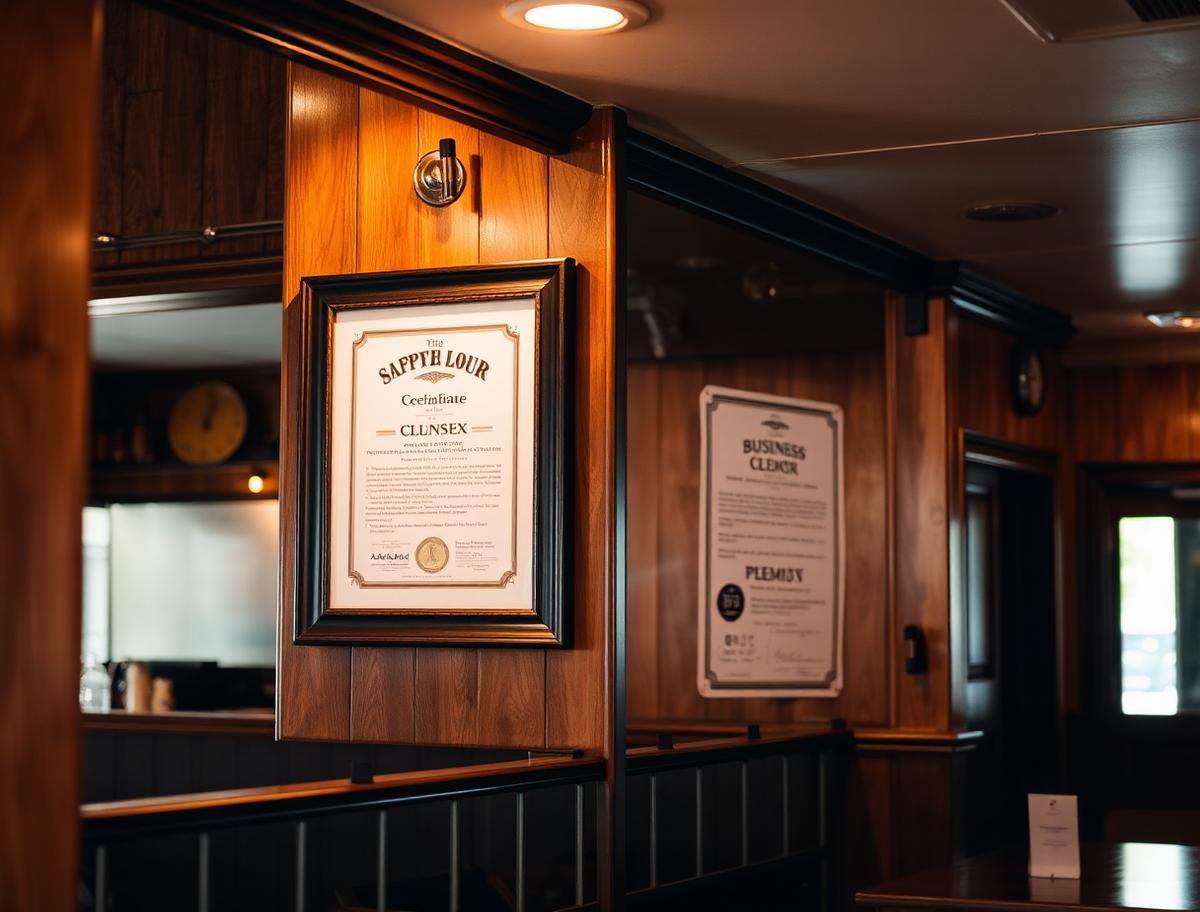
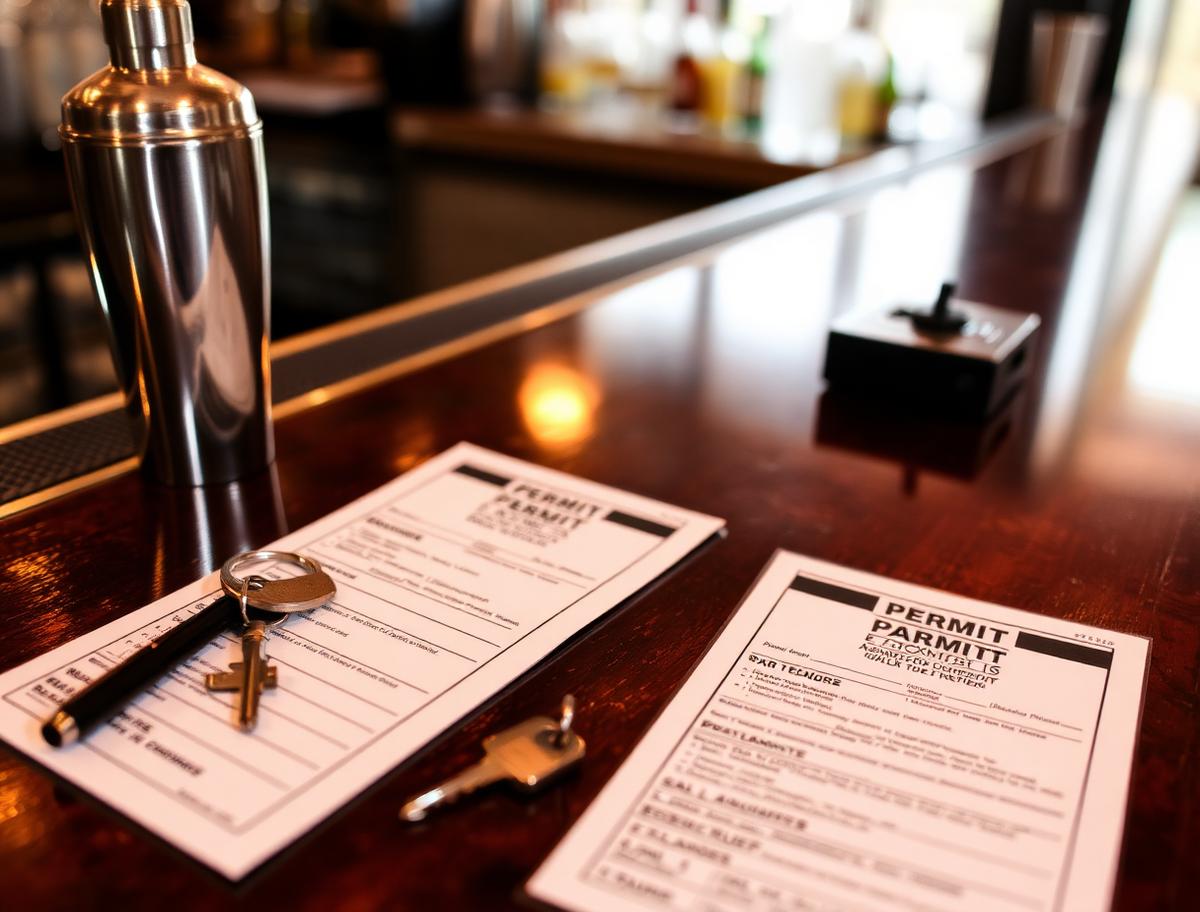
- Maintain current liquor license, food service permits, and any required local approvals. Post license as required.
- Enforce ID checking for every guest who appears 30 or under; use approved scanner or manual process.
- Refuse service to intoxicated guests or minors; document incidents and involve management / security.
- Follow all state and local dram shop and service rules; complete required training.
- Track and report any required sales or inventory data to regulators on time.
- Maintain clean, safe premises; conduct daily safety walks and correct hazards immediately.
Pricing Strategy and Margin Goals
- Set menu prices using target beverage cost, competitive analysis, and perceived value.
- Review pricing quarterly and after major menu changes.
- Track actual vs. theoretical pour cost weekly; aim for variance under [[%]].
- Use upselling language and pairings to increase average check without pressure.
- Feature "value" or "by the bottle" options where appropriate for wine and spirits flights.
Performance Tracking and Reporting
Daily / Shift Metrics:
- Sales by category and by bartender
- Average check and item mix
- Comps, voids, and breakage
- Covers or bar seats turned
Weekly / Monthly Reports:
- Theoretical vs. actual cost by spirit category
- Inventory turns and dead stock
- Top and bottom 10 selling items
- Labor cost as % of beverage sales
- Guest feedback themes from reviews and comment cards
Annual Goals (example targets - customize):
- Beverage cost %: [[Target]]
- Inventory turns: [[Target per year]]
- Non-alcoholic mix % of beverage sales: [[Target]]
- Guest satisfaction score for bar service: [[Target]]
Cleaning, Maintenance, and Safety SOPs
End of Shift Closing Checklist (every bartender):
1. Empty and clean all wells, speed rails, and ice bins.
2. Wash and sanitize all glassware; restock to par.
3. Wipe down bar top, back bar, and equipment.
4. Date and label all open bottles and preps.
5. Complete closing inventory count or spot check.
6. Secure cash, lock liquor cabinets, and set alarm per venue procedure.
7. Report any equipment issues or low par items to manager.
Weekly Deep Tasks:
- Clean draft lines and taps per manufacturer or distributor schedule.
- Full station deep clean (under bar, shelving, floors).
- Review and rotate perishables; discard expired items.
- Reconcile full inventory and investigate variances.
Safety Notes:
- Never leave the bar unattended while guests are present.
- Use proper lifting technique for cases and kegs.
- Know location of first aid, fire extinguisher, and emergency shutoffs.
- Report any guest incident or injury immediately.
Menu Engineering and Continuous Improvement
- Analyze sales mix monthly; promote high-margin stars and consider 86-ing or repositioning dogs.
- Introduce limited-time or seasonal features to test new concepts and drive excitement.
- Solicit guest and staff feedback on new items; iterate recipes quickly.
- Benchmark against comparable venues in the market twice per year.
- Revisit supplier relationships annually for pricing, new products, and service levels.
Acknowledgments and Customization
This manual is a living document. Update sections as menus, suppliers, regulations, or operational priorities change. All [[Merge Fields]] must be replaced with venue-specific information before use in training or operations.
Bar Manager Signature: _______________________________ Date: [[Date]]
General Manager / Owner Signature: _______________________________ Date: [[Date]]
Bar Program and Beverage Operations Manual - sample operations document. Not legal, regulatory, food safety, or employment advice. Customize all recipes, cost targets, compliance procedures, and training requirements to your specific jurisdiction, license conditions, insurance requirements, and brand standards. Verify current alcohol service laws, tax rules, and health codes with local authorities and qualified professionals. Information presented is illustrative and current as of 2026-06.
As of: 2026-06-30
End of Bar Program and Beverage Operations Manual