1. Regulatory Authority and Permit Requirements
- The Utah Department of Health and local health departments enforce food safety under the Utah Food Code, based on the FDA Model Food Code.
- Retail food establishment permits are required prior to opening and are issued by the local health department with jurisdiction.
- Plan review and approval are required for new construction, remodeling, or change of ownership in most jurisdictions.
- Permits are renewed annually or according to the schedule established by the issuing health department.
- Mobile units, temporary food events, and commissary operations have distinct permitting and inspection protocols.
- Inspection frequency is risk-based; higher risk establishments receive more frequent inspections.
2. Certified Food Protection Manager and Person in Charge
- A Certified Food Protection Manager from an ANSI-accredited program is required for most permitted food service establishments.
- The Person in Charge must demonstrate knowledge of food safety principles and be present or readily available during operating hours.
- All food employees must receive training on hygiene, temperature control, cross-contamination, and allergen awareness.
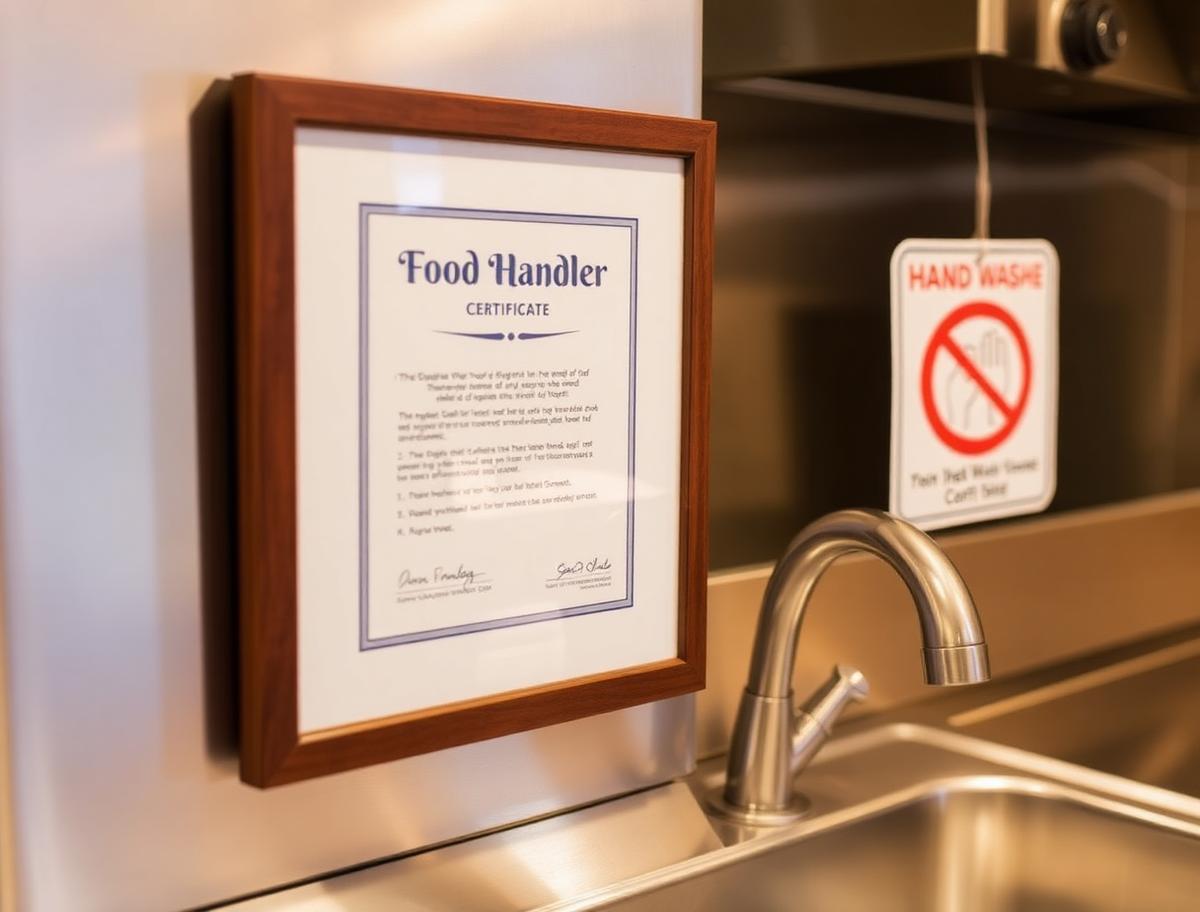
- Current certificates must be kept on site and available during health inspections.
- Recertification typically follows a five-year cycle for manager certification.
3. Facility Standards, Equipment, and Plan Review
- Submit construction or remodel plans to the health department for review and approval before work begins.
- Handwashing sinks must be conveniently located, properly equipped, and used exclusively for handwashing.
- Approved warewashing facilities (three-compartment sink or commercial dishwasher) are required.
- Adequate refrigeration, hot holding equipment, and accurate, calibrated thermometers are mandatory.
- All food contact surfaces, floors, walls, and ceilings must be smooth, cleanable, and in good repair.
- Proper lighting, ventilation, and pest exclusion measures must be maintained.
4. Temperature Controls and Critical Limits
- Cold hold time/temperature control for safety (TCS) foods at 41°F or below.
- Hot hold TCS foods at 135°F or above.
- Cook TCS foods to required internal temperatures (165°F poultry, 155°F ground meats, 145°F whole muscle with rest).
- Cool TCS foods using approved two-stage method: 135°F to 70°F in 2 hours, 70°F to 41°F in next 4 hours.
- Reheat TCS foods for hot holding to 165°F within two hours.
- Record temperatures at required frequencies and retain logs for review.
5. Sanitation, Cross-Contamination, and Allergen Controls
- Follow proper wash-rinse-sanitize procedures and verify sanitizer strength or dishwasher temperatures.
- Store raw animal foods below ready-to-eat foods at all times in refrigeration and during preparation.
- Use color-coded or designated utensils and cutting boards to prevent cross-contamination.
- Implement an effective pest control program with licensed provider records and corrective action documentation.
- Identify the nine major allergens on menus and in production areas; train staff on prevention of cross-contact.
- Maintain cleaning schedules and sanitation logs for all areas and equipment.
6. Employee Health, Hygiene, and Training
- Employees must report symptoms of foodborne illness and be excluded or restricted from food handling as required by code.
- Strict handwashing protocol must be followed at all required times and documented in training.
- Bare hand contact with ready-to-eat food is prohibited; use gloves, utensils, or other approved barriers.
- Hair restraints, clean clothing, and prohibition of eating or tobacco use in food areas are enforced.
- Written policies and training records for employee health and hygiene must be available.
7. Receiving, Storage, Labeling, and FIFO
- Inspect all incoming shipments for temperature, condition, and proper labeling; reject non-compliant deliveries.
- Store all food at least six inches off the floor and away from walls; protect from contamination.
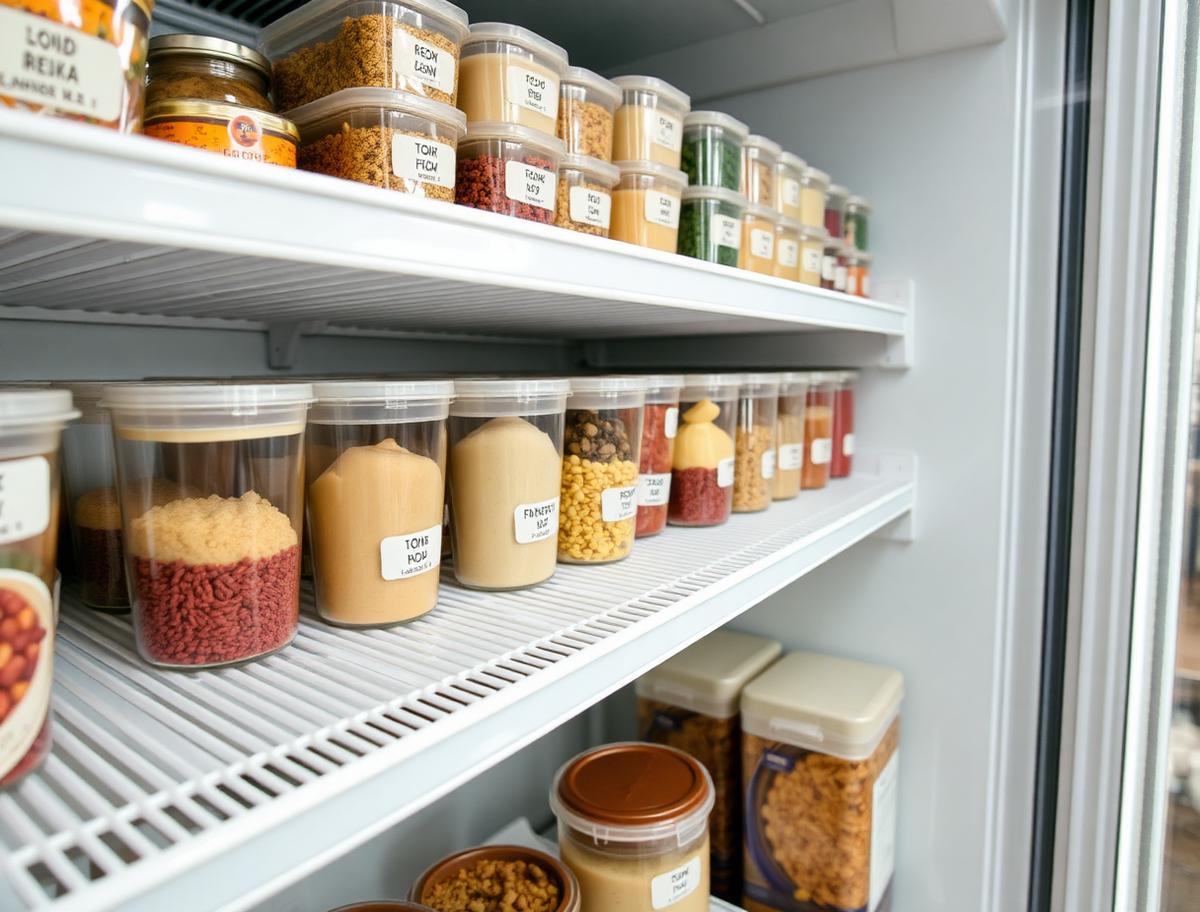
- Date mark and rotate all prepared and opened foods using FIFO procedures.
- Maintain supplier records and any required traceability documentation.
8. Inspection Readiness and Corrective Action
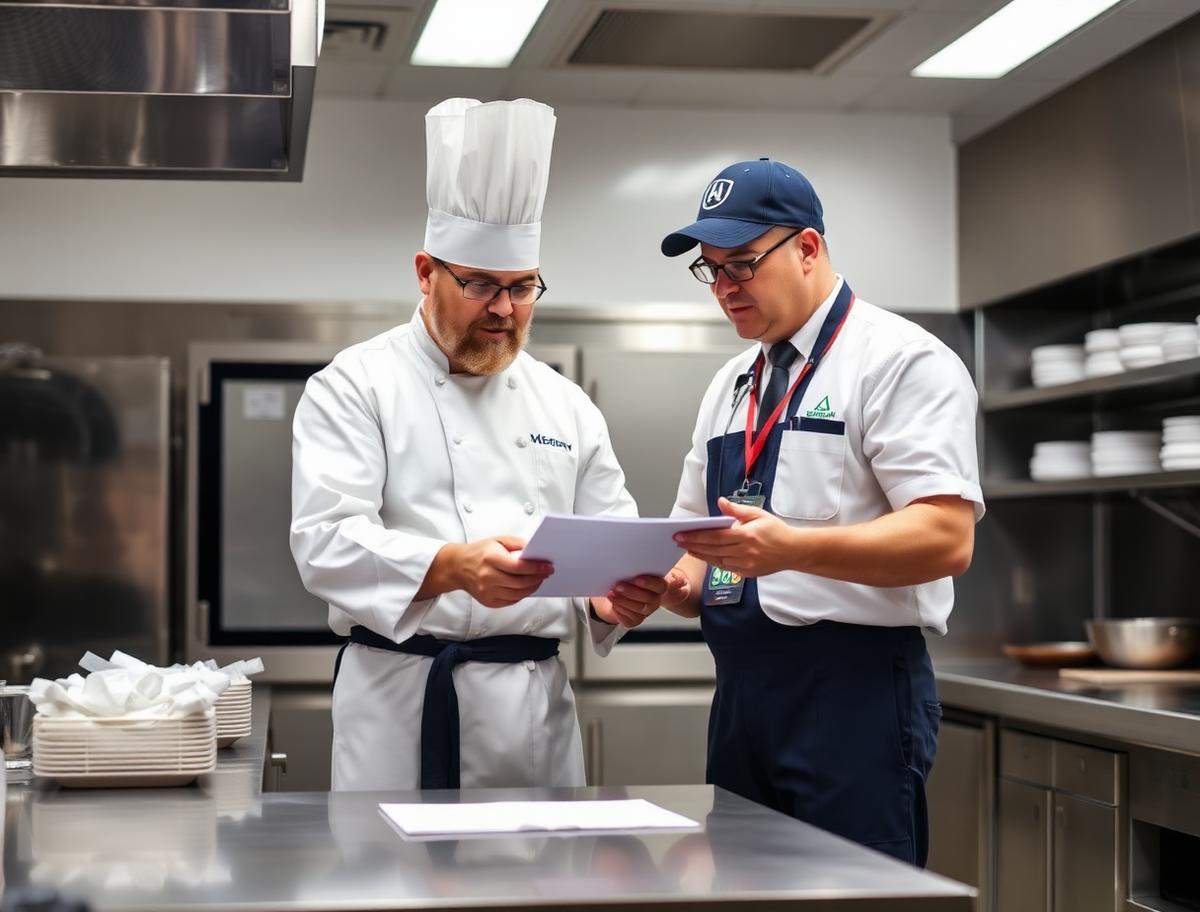
- Perform regular self-inspections using health department checklists.
- Maintain complete temperature logs, cleaning records, training certificates, and pest control reports.
- Post current permit and recent inspection results as required by local rules.
- Document all corrective actions taken to address violations or complaints.
- Report foodborne illness complaints immediately to the local health department.
9. Resources and Official References
- Primary Authority: Utah Department of Health and local county or city health departments
- Current Utah Food Code and FDA Food Code
- Local health department websites for permit applications, plan review guidelines, and inspection forms
- Professional note: This is a template. Requirements are enforced locally in Utah. Verify all details with the health department having jurisdiction. This document is not a substitute for professional legal or consulting advice.
10. Implementation Recommendations
- Assign a lead food safety certified manager responsible for daily compliance and record maintenance.
- Develop written SOPs covering all critical control points and train staff before service begins.
- Schedule quarterly internal audits and act immediately on findings.
- Build a positive working relationship with the local health inspector.
- Update policies and training whenever the code or operational practices change.
11. Additional Utah-Specific Notes
- Some Utah jurisdictions have adopted additional requirements for cottage food operations or farmers markets that differ from full-service restaurants.
- High-altitude considerations may affect cooking and cooling times in certain mountain locations; validate with local authority.
- Water quality and backflow prevention requirements are strictly enforced in many areas.
- Keep current copies of all variances or special process approvals on file if performing reduced oxygen packaging or similar.
12. Sample Temperature and Allergen Quick Reference
| Control Point | Standard |
|------------------------|------------------------------|
| Cold hold | 41°F or below |
| Hot hold | 135°F or above |
| Poultry cook | 165°F internal |
| Ground meat cook | 155°F internal |
| Major allergens | 9 identified on labels/menus |
13. Record Retention
- Retain temperature logs, training records, and inspection reports for a minimum of one year or longer if required locally.
- Maintain supplier invoices and receiving records for traceability.
- Archive superseded policies and SOPs with review dates.