1. Regulatory Authority and Permit Requirements
- The Texas Department of State Health Services (DSHS) adopts the Texas Food Establishment Rules (TFER) based on the FDA Food Code.
- Most food service permits are issued and enforced by local health departments or public health districts at the city or county level.
- A valid food service permit is required before operating; permits are typically renewed annually or on a schedule set by the issuing authority.
- New construction, major remodels, or change of ownership generally require plan review and pre-operational inspection before a permit is issued.
- Mobile food units, temporary events, and commissaries have separate permitting pathways and inspection requirements.
- Risk category of the establishment determines inspection frequency; higher risk operations are inspected more often.
2. Certified Food Protection Manager and Person in Charge
- At least one Certified Food Protection Manager (CFPM) must be employed per permitted establishment; ANSI-accredited certification such as ServSafe Manager satisfies the requirement.
- The CFPM or a designated Person in Charge (PIC) must be present during all hours of operation in most full-service operations.
- All food handlers must complete an approved food handler training course within the timeframe required by the local jurisdiction.
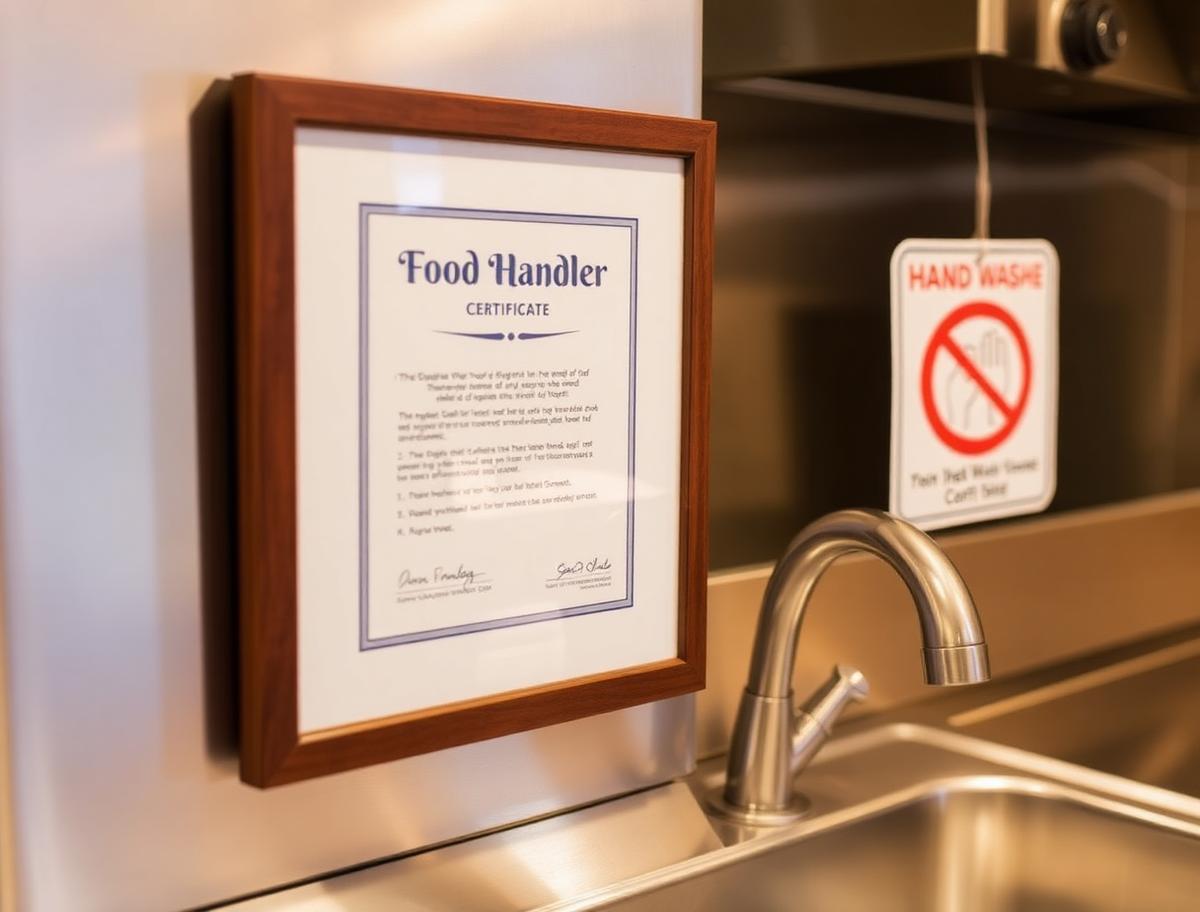
- Certificates and training records must be maintained on site and presented during inspections upon request.
- Recertification is required according to the certifying organization's rules, commonly every five years for manager certification.
3. Facility, Equipment, and Plan Review Standards
- Submit scaled plans showing layout, equipment, plumbing, ventilation, and finishes for review by the health authority prior to construction or remodel.
- All food contact surfaces must be smooth, durable, non-absorbent, and easily cleanable.
- Dedicated handwashing sinks with hot and cold water, soap, and paper towels or air dryers are required in food prep and warewashing areas.
- Commercial warewashing equipment (three-compartment sink or high-temperature or chemical dishwasher) is mandatory for most operations.
- Adequate refrigeration, hot-holding equipment, and accurate thermometers must be provided and calibrated regularly.
- Grease traps or interceptors, if required by local plumbing code, must be sized and maintained according to ordinance.
4. Temperature Control and Time/Temperature Control for Safety (TCS) Foods
- Cold hold TCS foods at 41°F or below.
- Hot hold TCS foods at 135°F or above.
- Cook TCS foods to the minimum internal temperatures specified in TFER (for example 165°F for poultry, 155°F for ground meats).
- Cool TCS foods from 135°F to 70°F within two hours and from 70°F to 41°F within an additional four hours using approved methods.
- Reheat TCS foods for hot holding to at least 165°F within two hours.
- Monitor and log temperatures of refrigeration, hot holding, cooking, and cooling at required intervals.
5. Sanitation, Cross-Contamination, and Allergen Management
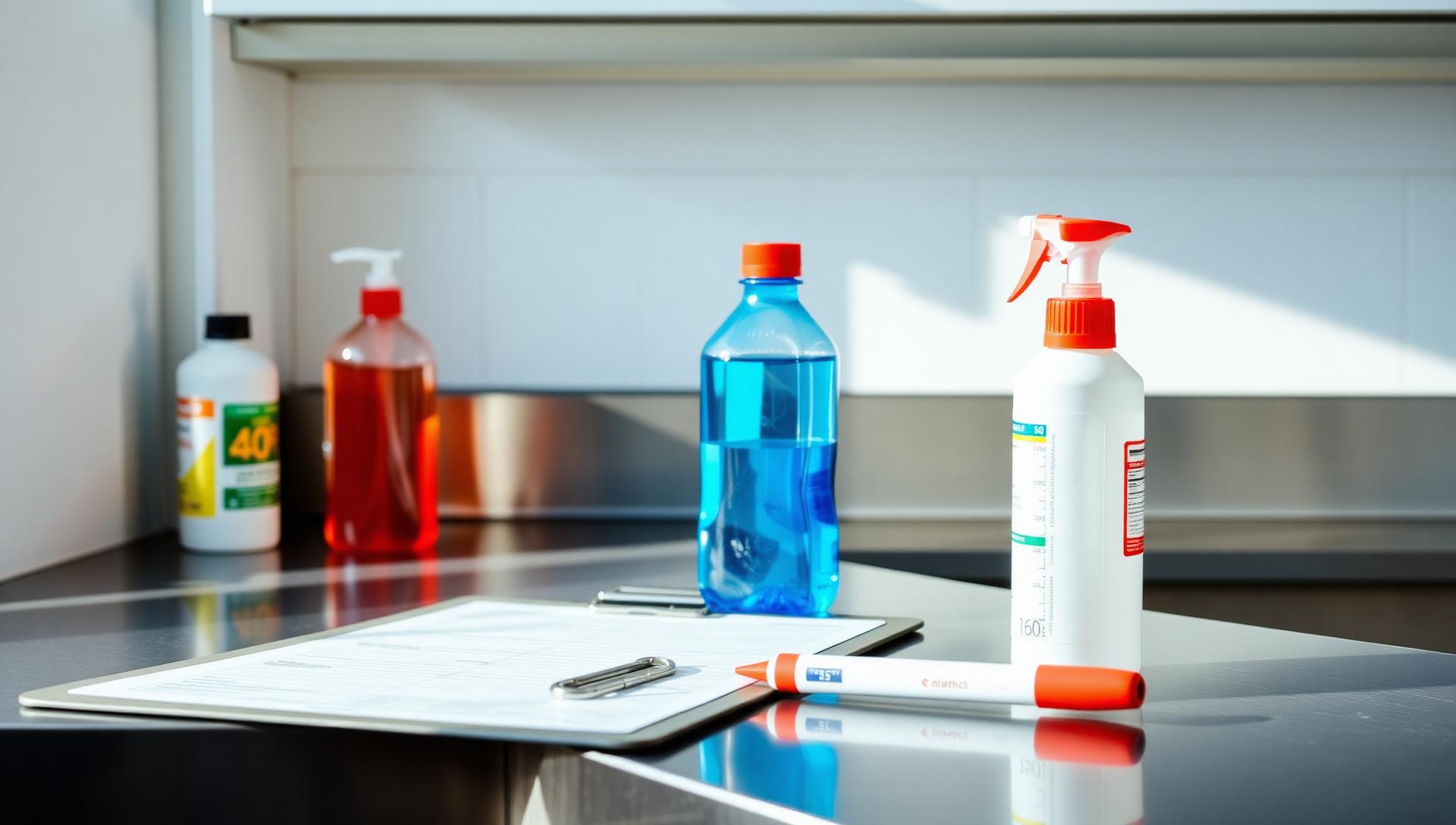
- Implement a wash-rinse-sanitize procedure for all food contact surfaces and utensils; verify sanitizer concentration or dishwasher temperature.
- Store raw animal products below and away from ready-to-eat foods in all refrigeration and during prep.
- Use separate cutting boards, utensils, or proper cleaning between uses for raw and ready-to-eat items.
- Maintain an effective integrated pest management program with documentation of service and any corrective actions.
- Identify the nine major food allergens on menus and in prep areas; train staff on cross-contact prevention and guest communication.
- Post or have readily available allergen information for guests upon request.
6. Personal Hygiene and Employee Health
- Employees must report symptoms of illness (vomiting, diarrhea, jaundice, sore throat with fever, or infected wounds) and be excluded or restricted as required.
- Handwashing must occur at required moments: before starting work, after using restroom, after handling raw foods, after touching face or hair, after handling money or garbage.
- Bare-hand contact with ready-to-eat foods is prohibited; use utensils, gloves, or other barriers.
- Employees must wear clean outer clothing, hair restraints where required, and refrain from eating, drinking, or using tobacco in food areas.
- Maintain written employee illness and injury logs as required by the local health authority.
7. Receiving, Storage, and Labeling
- Inspect all deliveries for temperature, damage, and integrity; reject items that do not meet standards.
- Store all food off the floor, away from walls, and in a manner that prevents contamination and allows proper air circulation.
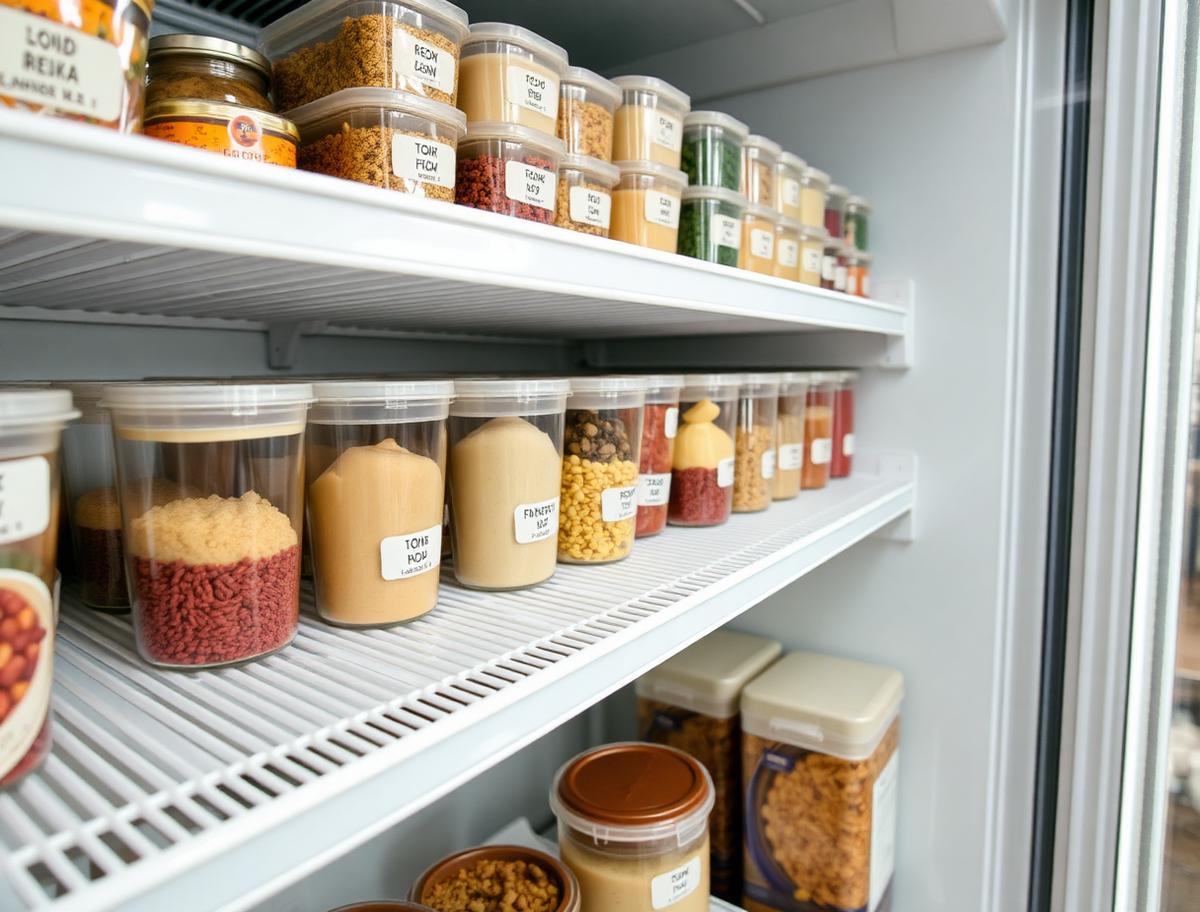
- Label and date all prepared foods and opened packages according to the establishment's written policy and code requirements.
- Use first-in, first-out (FIFO) rotation and monitor expiration or use-by dates.
- Maintain records of supplier invoices and any required shellstock or parasite destruction documentation.
8. Inspection Preparation and Recordkeeping
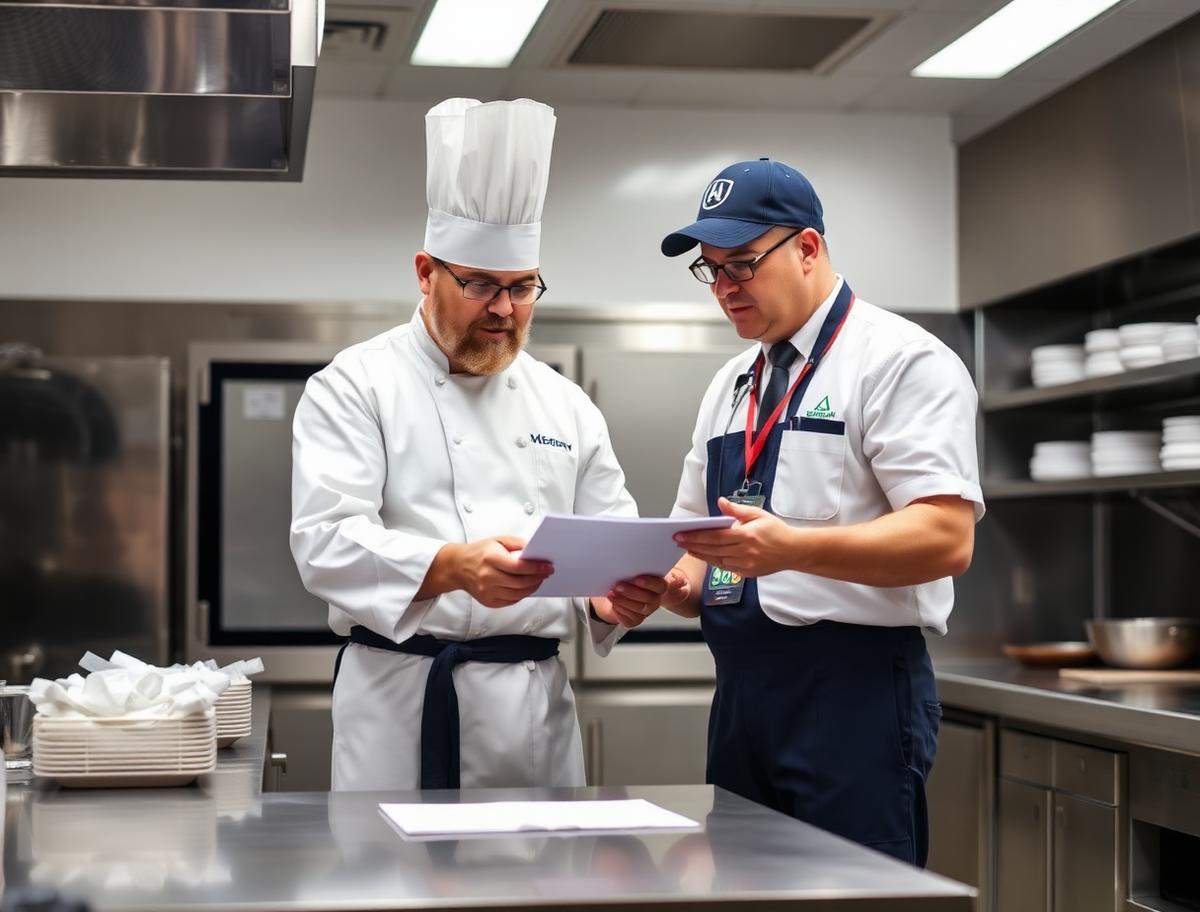
- Conduct regular self-inspections using the same checklist the health department uses.
- Keep temperature logs, cleaning schedules, pest control records, and training certificates current and organized.
- Post the current permit and most recent inspection report in a location visible to the public if required locally.
- Document all corrective actions taken in response to violations or complaints.
- Report suspected foodborne illness outbreaks immediately to the local health department.
9. Resources and Official References
- Primary Authority: Texas DSHS Texas Food Establishment Rules and local health department rules
- FDA Food Code (current version adopted by Texas) for science-based standards
- Local city or county health department website for permit applications, plan review checklists, and inspection forms
- Professional note: This document is a template. Food safety regulations are adopted and enforced locally in Texas. Verify all requirements with the health department having jurisdiction over the specific location. This is not a substitute for legal or professional advice.
10. Recommended Implementation Steps
- Assign a dedicated food safety manager or team responsible for daily compliance and recordkeeping.
- Develop written standard operating procedures (SOPs) covering hygiene, temperature control, cleaning, and allergen handling.
- Train all staff before they begin work and document training with signatures and dates.
- Schedule quarterly internal audits and immediate corrective action for any gaps discovered.
- Maintain a relationship with the local health inspector; invite feedback and implement suggestions promptly.
- Review and update all policies whenever the health department issues new guidance or after any incident.
11. Additional Best Practices for Texas Operators
- Know your local health district's specific risk-based inspection categories and tailor self-inspection frequency accordingly.
- Implement a digital temperature monitoring system with alerts for out-of-range conditions to reduce human error in logging.
- Maintain a written variance or HACCP plan if performing specialized processes such as reduced-oxygen packaging, curing, or using live shellfish tanks.
- Train front-of-house staff on basic allergen awareness so they can answer guest questions accurately and escalate to kitchen when needed.
- Keep a current list of approved suppliers and reject any deliveries from unapproved sources without proper documentation.
- Participate in voluntary food safety recognition programs offered by some Texas jurisdictions for marketing and operational excellence benefits.
12. Quick Reference Temperature Table
| Process | Temperature | Time / Notes |
|--------------------------|----------------------|----------------------------------|
| Cold holding TCS | 41°F or below | Continuous monitoring |
| Hot holding TCS | 135°F or above | Check every 2-4 hours |
| Poultry / stuffed meats | 165°F internal | 15 seconds minimum |
| Ground meats | 155°F internal | 15 seconds minimum |
| Whole muscle beef/pork | 145°F internal | 15 seconds + 3 min rest |
| Cooling 135°F to 70°F | Within 2 hours | Then to 41°F in next 4 hours |
| Reheating for hot hold | 165°F internal | Within 2 hours |
13. Document Control and Versioning
- Maintain a master food safety manual with version dates and review signatures.
- Archive superseded versions for at least the period required by local regulation or company policy.
- Ensure all printed checklists and logs in use match the current approved version.
- Review the entire program at least annually or after any significant operational change or regulatory update.