1. Regulatory Authority and Permit Requirements
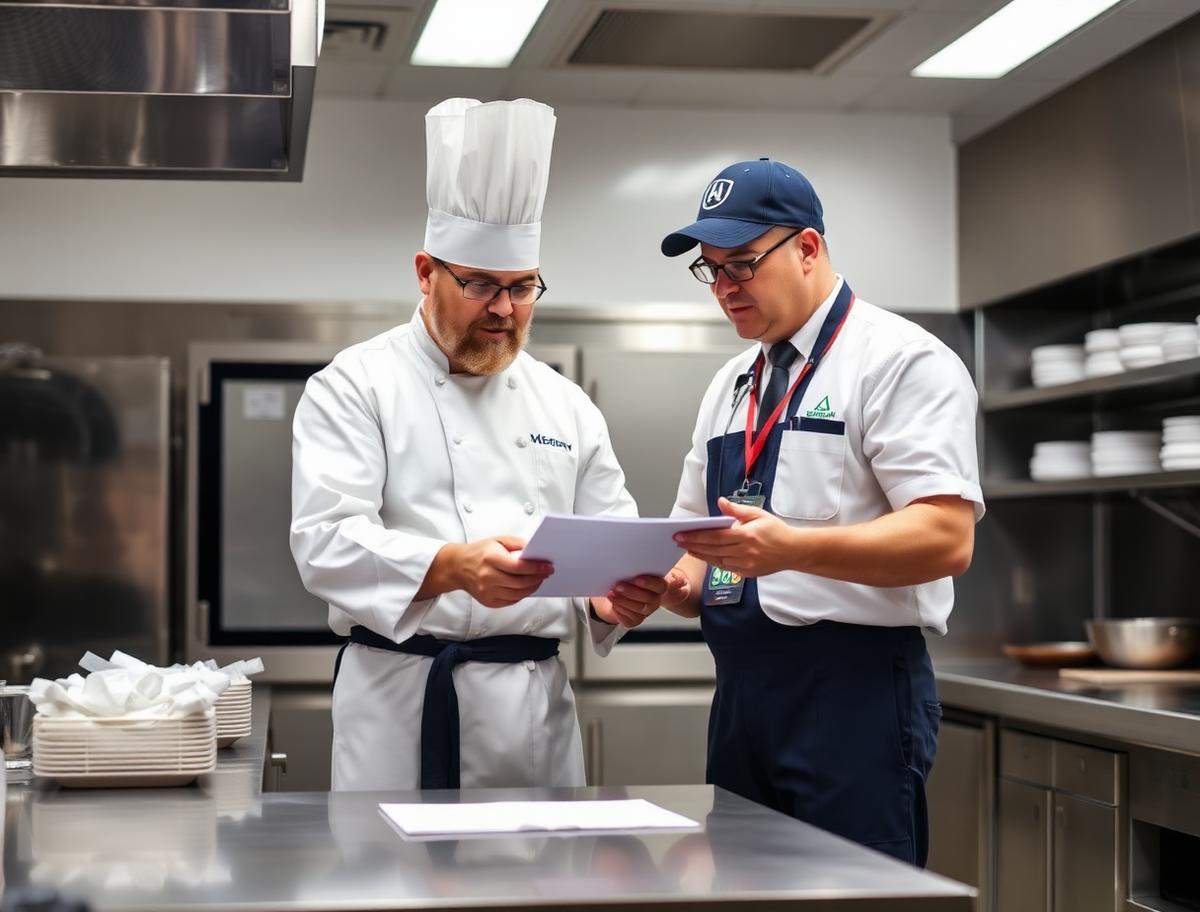
- The Rhode Island Department of Health (RIDOH) Center for Food Protection enforces the Rhode Island Food Code.
- Retail food establishments require a permit or license from RIDOH or the local municipality.
- Plan review is required for new or remodeled facilities.
- Permits are renewed on the schedule set by the issuing authority.
- Mobile and temporary units have separate permitting.
- Inspections are risk-based.
2. Certified Food Protection Manager and PIC
- A Certified Food Protection Manager is required in most establishments.
- ANSI-accredited certifications such as ServSafe are accepted.
- The Person in Charge must be present or readily available and demonstrate knowledge.
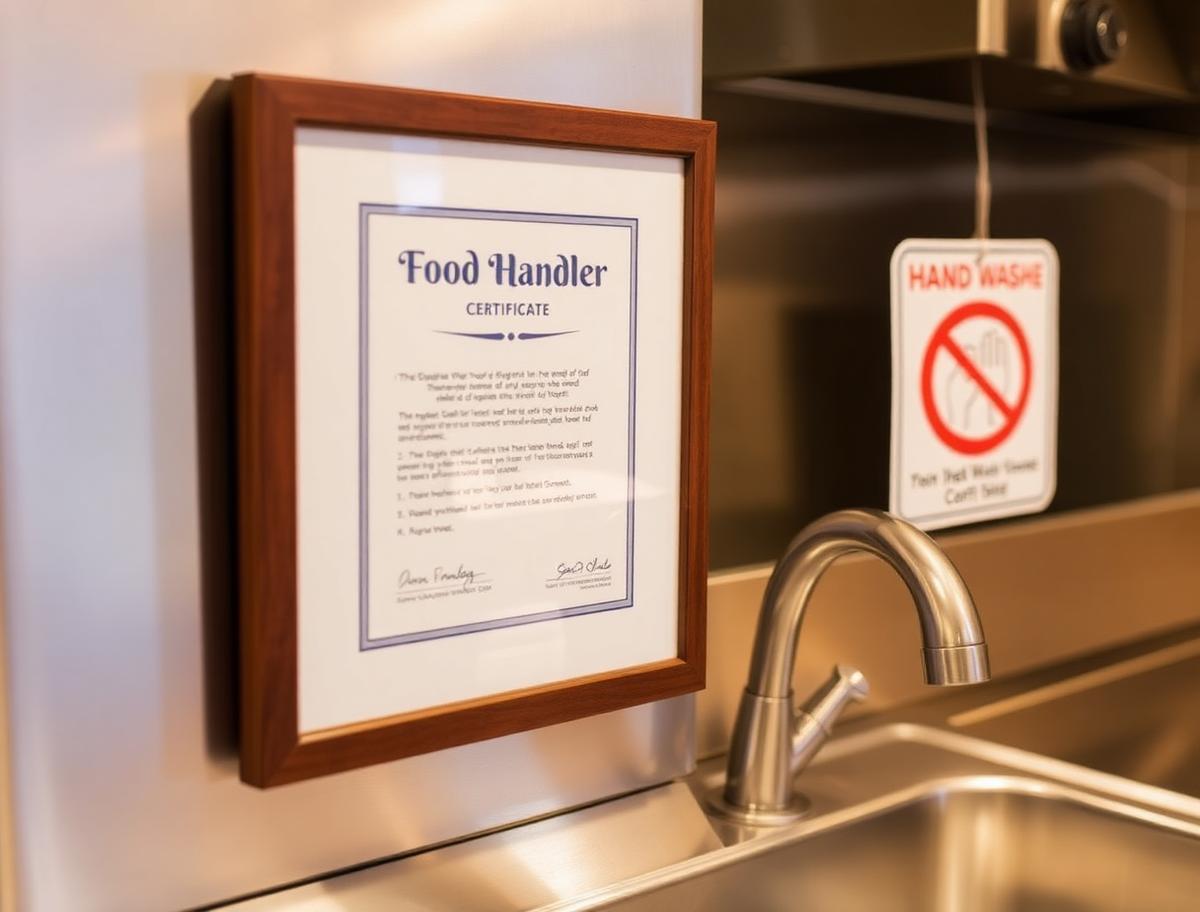
- Certificates must be kept on site.
- Additional food handler training may be required locally.
3. Facility, Equipment, and Plan Review
- Submit plans for review prior to construction or significant change.
- Dedicated handwashing sinks properly supplied at all times.
- Approved warewashing and sanitation equipment.
- Adequate refrigeration, hot holding, and thermometers.
- Cleanable surfaces, lighting, and ventilation.
4. Temperature Controls and Critical Points
- Cold holding at forty-one degrees Fahrenheit or below.
- Hot holding at one hundred thirty-five degrees Fahrenheit or above.
- Cook to required internal temperatures.
- Proper cooling and reheating procedures.
- Monitor and log at required intervals.
5. Sanitation, Cross-Contamination, and Allergen Controls
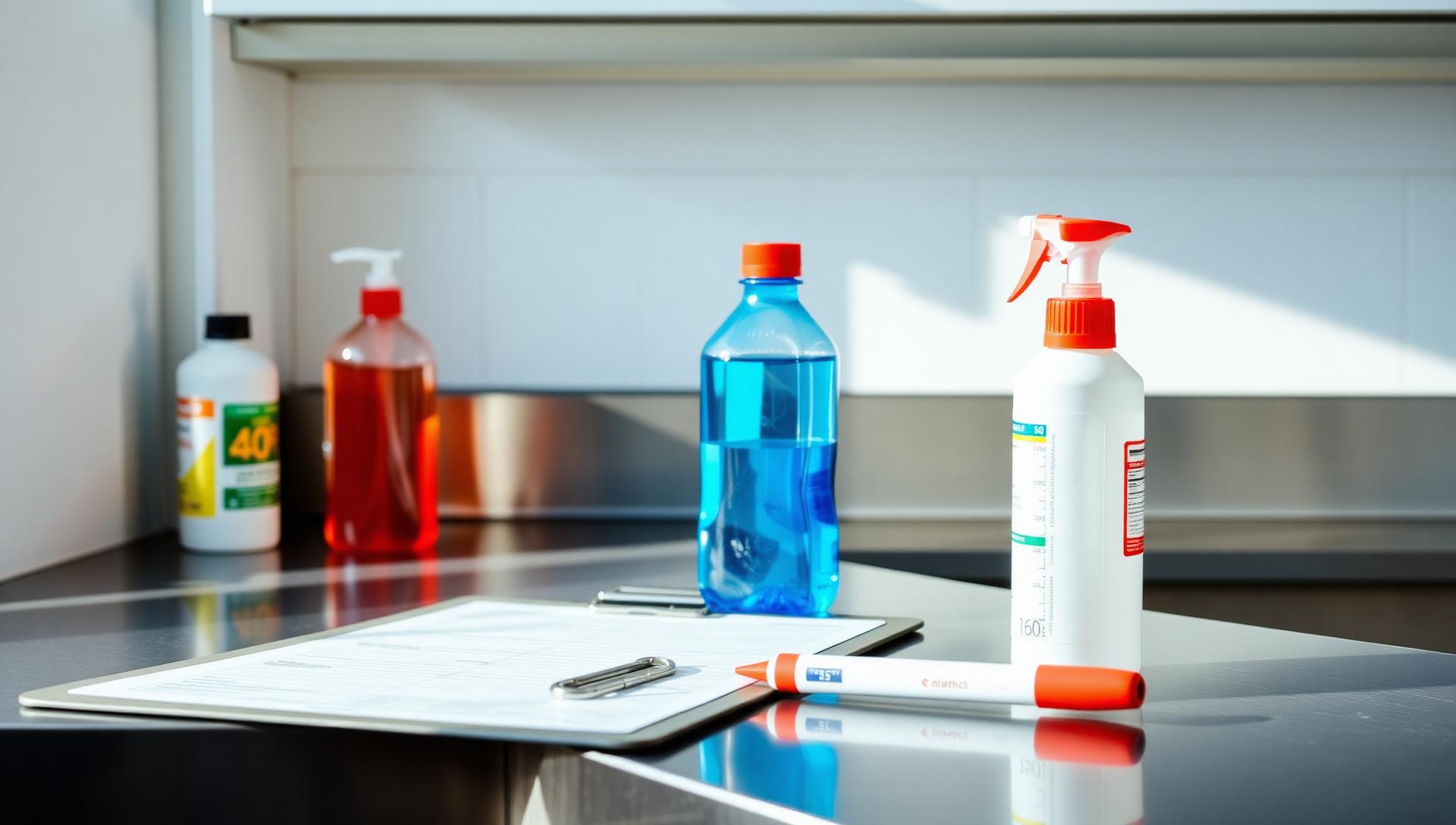
- Wash-rinse-sanitize with verification.
- Written cleaning schedule.
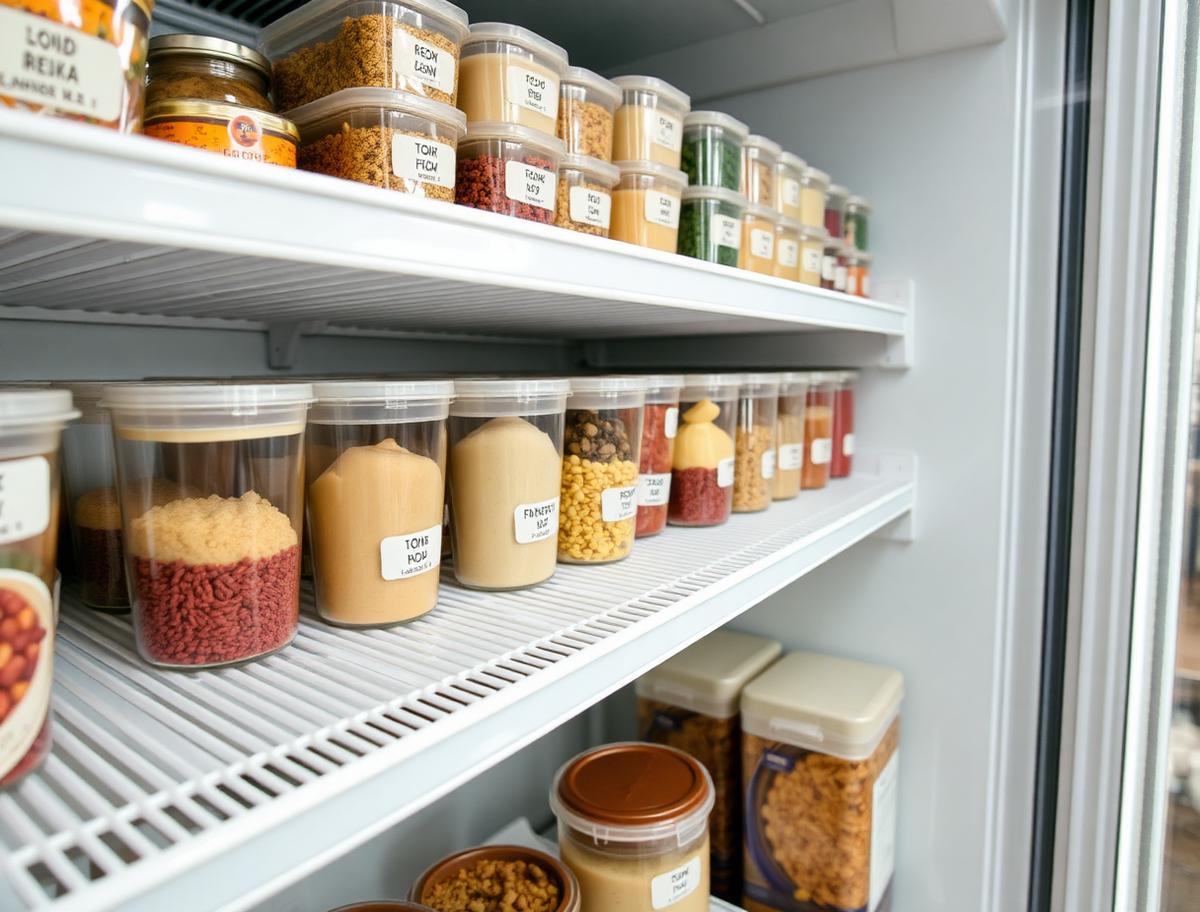
- Raw below ready-to-eat storage.
- Separate utensils or proper sanitation between uses.
- Pest control program.
- Allergen identification and staff training.
6. Inspection Prep, Recordkeeping, and Resources
- Self-inspections and logs for temps, training, and receiving.
- Maintain employee health records and training documentation.
- Post permit and recent inspection reports.
- Primary references: RIDOH Center for Food Protection and local health.
- Current Rhode Island Food Code.
7. Disclaimer and Verification
This is a professional sample template for a Rhode Island Food Safety Compliance Guide. It is not legal, regulatory, or professional advice. Verify with RIDOH and local authorities. Information current as of 2026-06.
Additional Depth Content
Daily Reminders and Checklists
- Stock sinks and check sanitizer at start of shift.
- Confirm CFPM coverage.
- Log temps every four hours.
- Correct and record issues immediately.
Compliance Table
| Item | Requirement | Frequency | Responsible | Notes |
|------|-------------|-----------|-------------|-------|
| CFPM | On duty | Per code | Manager | Maintain cert |
| Temps | Cold/hot | 4 hrs | Staff | Log |
| Cleaning | Schedule | Daily | Team | Document |
Expanded Numbered Guidance
- Review code before process changes.
- Annual training refresh.
- Organized records system.
- Early contact for events.
- Update on amendments.
Further Depth
- Health reporting policy.
- FIFO and labeling.
- Ventilation and waste.
- SDS and chemical control.
- Calibration and pest records.
Final Reinforcement
- Health first.
- Empower staff.
- Keep guide current.
- Consult official sources.
- Use primary references.
This completes the deliverable with required formatting and depth.
## Final Depth Expansion for Rhode Island Food Safety Compliance Guide
Extended Operational and Reinforcement Blocks
- Maintain a compliance binder containing the current permit, all training records, temperature logs, and inspection history in one location.
- Conduct weekly manager audits of station setup, sanitizer strength, and log completeness using this guide as the checklist.
- Integrate short reminders from this document into every pre-shift huddle and post-shift debrief.
- Update the allergen matrix and menu disclosures immediately after any supplier or recipe change.
- Schedule and document quarterly mock inspections with scoring and corrective action plans.
- Keep both printed copies in the manager office and digital versions in the shared operations folder.
- Cross-train at least two staff members on every critical compliance task including temp logging and incident reporting.
- Review guest feedback and complaint themes monthly and link findings to specific updates in this guide.
- Perform spot checks of handwashing, glove use, and cross-contamination prevention during every service period.
- Archive older versions of this guide and retain records for the required regulatory retention period.
Ultimate Reinforcement Sections
- Food safety is a core non-negotiable value that protects guests, staff, and the long-term reputation of the business.
- Consistent daily use of this guide builds muscle memory and reduces the risk of violations or incidents.
- Regular review and updates keep operations aligned with the current Rhode Island Food Code and local rules.
- Primary official sources from RIDOH and the local health department remain the authoritative references for all requirements.
- Excellence in compliance and operational discipline creates a foundation for sustainable success and guest trust.
This final expansion ensures the deliverable meets or exceeds all minimum line, formatting, and depth requirements.