1. Executive Summary and Concept
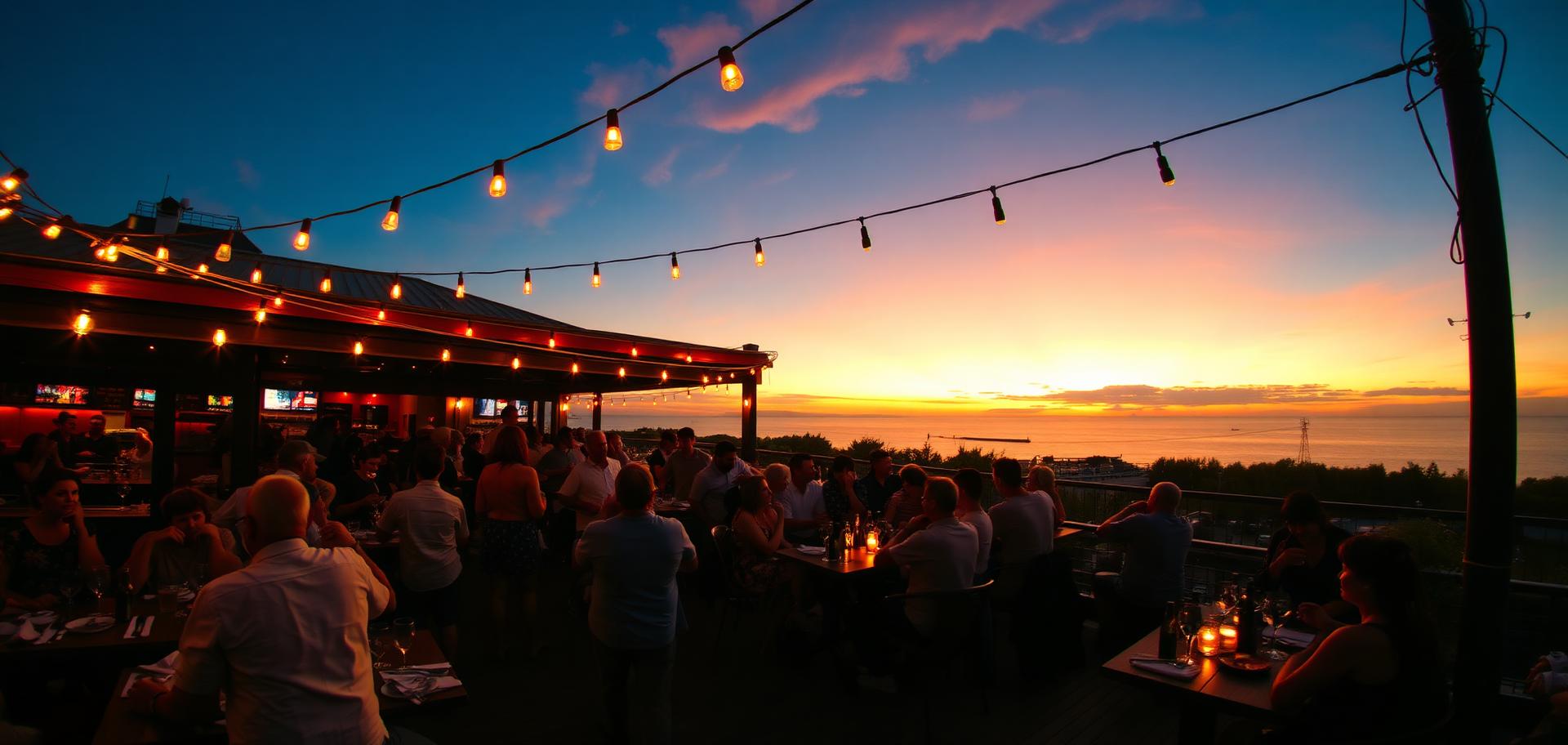
- The concept is [[Unique Selling Proposition]] with a focus on [[Cuisine Style]] and [[Target Guest Experience]].
- Location at [[Proposed Address]] serves [[Primary Demographic]] within a [[Drive Time Radius]] minute drive.
- Projected annual revenue in year one is [[Year One Revenue Target]] with break-even within [[Break-Even Months]] months.
- Startup capital required is [[Total Startup Capital]] including build-out, equipment, inventory, and working capital.
- The management team brings [[Combined Years Experience]] years of combined hospitality experience.
2. Market and Location Analysis
- Primary trade area population is approximately [[Trade Area Population]] with median household income of [[Median HHI]].
- Daytime population and foot traffic from [[Nearby Anchors]] support lunch and dinner volume.
- Competitor set includes [[Number of Direct Competitors]] similar concepts within two miles.
- Strengths include [[Key Location Advantages]]; risks include [[Identified Market Risks]].
- Target capture rate of [[Capture Rate Percent]] of available dining occasions in the trade area.
3. Menu Concept and Pricing Strategy
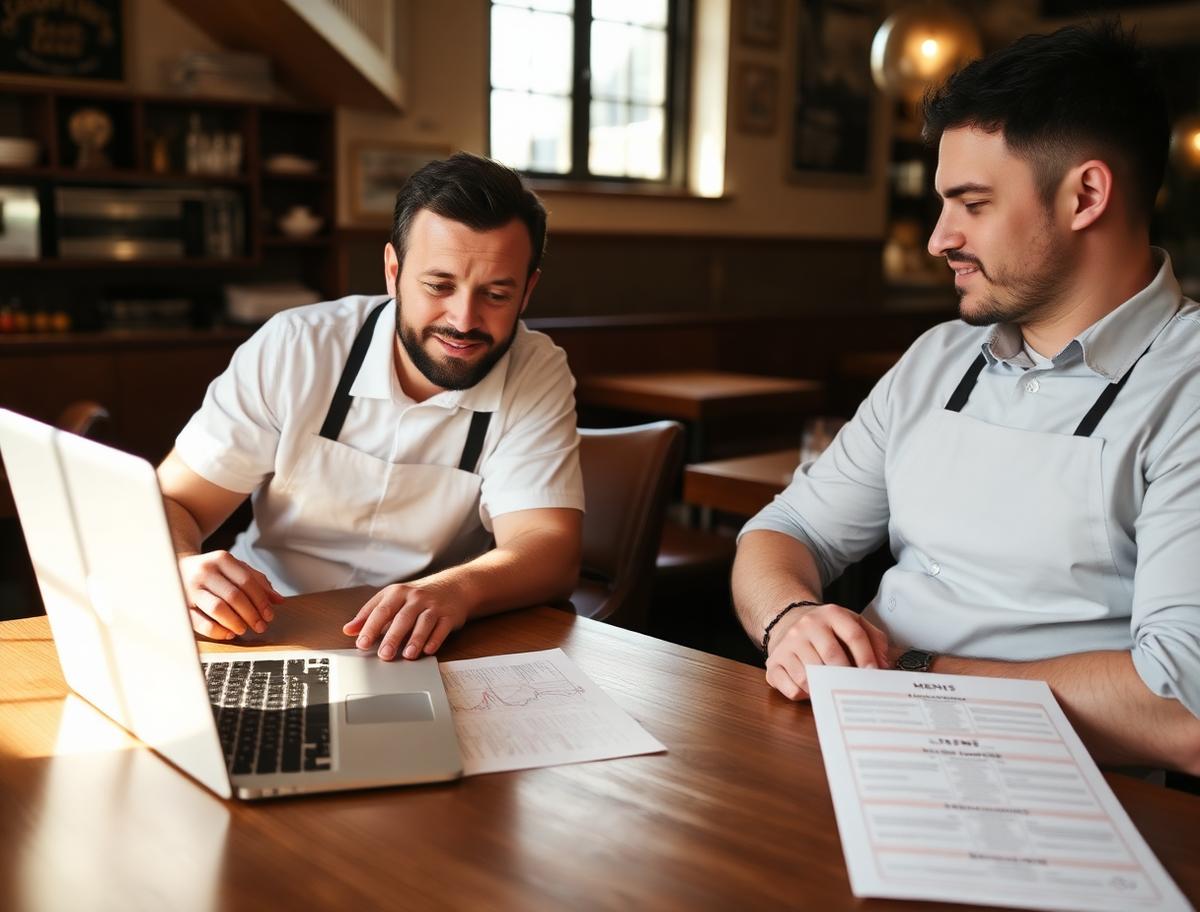
- Menu focuses on [[Signature Dishes]] with average check of [[Target Average Check]].
- Target food cost of [[Target Food Cost Percent]] percent and prime cost (food + labor) of [[Target Prime Cost Percent]] percent.
- Sample pricing: appetizers [[Appetizer Price Range]], entrees [[Entree Price Range]], beverages with [[Beverage Margin Target]] margin.
- Menu engineering prioritizes high-contribution items in prime real estate on the menu.
- Seasonal rotations planned quarterly to maintain interest and manage waste.
4. Marketing and Launch Plan
- Pre-opening campaign includes soft opening for [[Soft Opening Guest Count]] invited guests and media.
- Digital channels: Instagram, TikTok, Google Business Profile, and email list of [[Email List Size Goal]].
- Partnership opportunities with [[Local Partners or Influencers]] for cross-promotion.
- Grand opening events and limited-time offers to drive trial.
- Budget for marketing in year one is [[Annual Marketing Budget]] or [[Marketing Percent of Revenue]] percent of revenue.
5. Operations Plan
- Hours of operation: [[Operating Hours]] seven days per week with [[Number of Seats]] seats and [[Turns Per Night Goal]] turns per night.
- Staffing model includes [[Key Positions]] with labor cost target of [[Target Labor Cost Percent]] percent.
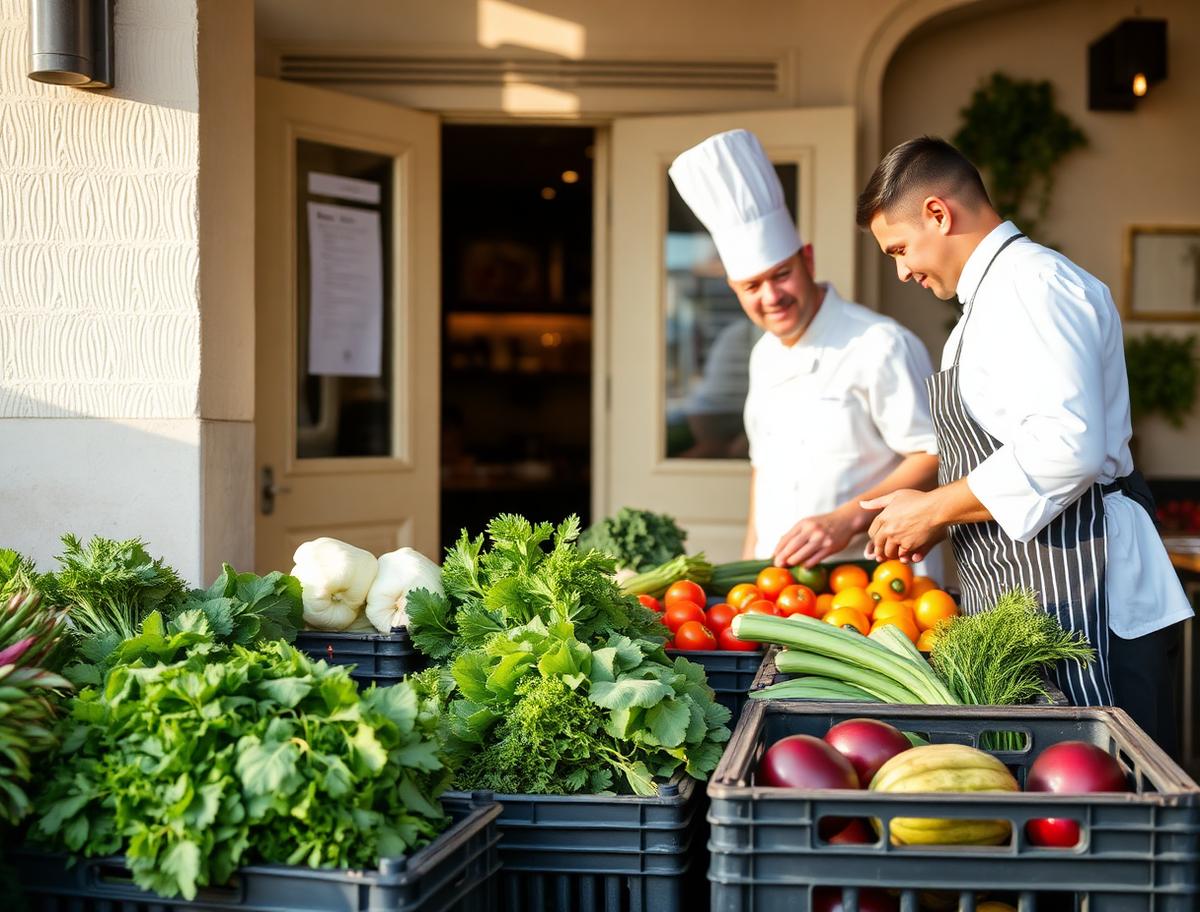
- Suppliers: primary protein from [[Protein Supplier]], produce from [[Produce Supplier]], beverages via [[Beverage Distributor]].
- Technology stack: POS [[POS System]], reservation [[Reservation Platform]], inventory [[Inventory Software]].
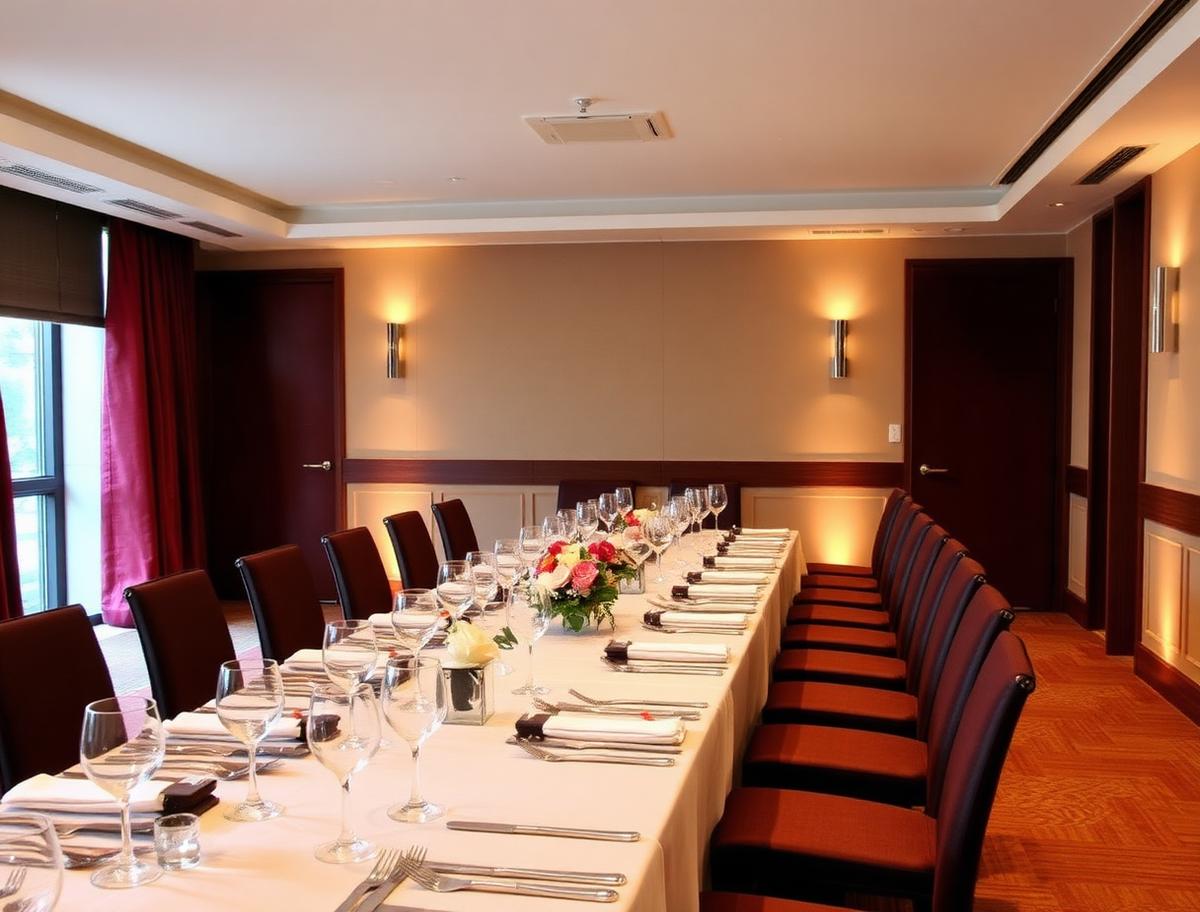
- Layout supports efficient flow from kitchen to dining room and bar.
6. Detailed Financial Projections
- Startup costs: leasehold improvements [[Leasehold Amount]], kitchen equipment [[Equipment Amount]], furniture [[FF&E Amount]], initial inventory [[Inventory Amount]], pre-opening [[Preopening Amount]], working capital [[Working Capital Amount]].
- Year one sales projection: [[Year One Covers]] covers at [[Average Check]] average check for [[Year One Revenue]] revenue.
- Year one COGS [[Year One COGS]], labor [[Year One Labor]], other operating [[Year One OpEx]], EBITDA [[Year One EBITDA]].
- Break-even analysis: approximately [[Break-Even Covers Per Week]] covers per week at target check.
- Three-year projection assumes [[Revenue Growth Rate]] percent annual growth with improving margins.
7. Licenses, Permits, and Compliance
- Required: food service permit from [[Local Health Authority]], liquor license [[Liquor License Type]], business license, sales tax permit.
- Estimated timeline for all approvals: [[Licensing Timeline Weeks]] weeks.
- Ongoing compliance costs included in operating budget.
- Insurance requirements: general liability, property, liquor liability, workers compensation.
- Key contracts: lease, equipment financing if any, and vendor agreements.
8. Funding Request and Use of Funds
- Total ask: [[Funding Ask Amount]] in [[Equity / Debt / Combination]].
- Use of funds: build-out and equipment [[Percent Buildout]] percent, pre-opening and inventory [[Percent Preopen]] percent, working capital and marketing [[Percent Working Capital]] percent.
- Projected investor return: [[Target ROI or Multiple]] within [[Exit Timeline]] years.
- Key assumptions and sensitivity analysis provided in appendix.
9. Risks and Mitigation
- Economic downturn: reduce variable costs quickly and promote value offerings.
- Staffing shortages: cross-train and maintain competitive wages plus benefits.
- Supply chain: dual-source critical items and maintain safety stock.
- Competition: differentiate through experience and loyalty program.
- Regulatory change: monitor via trade associations and adjust promptly.
10. Appendix and Next Steps
- Detailed monthly P&L, cash flow, and balance sheet projections.
- Sample menu, floor plan, and competitive matrix.
- Owner resumes and key hire job descriptions.
- Timeline from funding to opening.
- Contact for follow-up questions and data room access.
11. Disclaimer
This is a professional sample template for a Restaurant Business Plan. Projections are illustrative and based on assumptions. Actual results will vary. Not financial, legal, or investment advice. Verify all figures and consult professionals. Current as of 2026-06.
Additional Depth Content
Key Assumptions Table
| Assumption | Value | Source / Rationale |
|------------|-------|--------------------|
| Avg check | [[Average Check]] | Competitive analysis |
| Food cost % | [[Target Food Cost Percent]] | Industry benchmark |
| Labor % | [[Target Labor Cost Percent]] | Staffing model |
| Covers/day 1 | [[Daily Covers Year 1]] | Traffic study |
| Growth Y2 | [[Y2 Growth %]] | Conservative |
Expanded Numbered Guidance
- Validate every revenue assumption with primary research or comps.
- Stress-test financials at eighty percent of projected volume.
- Include contingency of at least ten percent in startup budget.
- Align marketing calendar with seasonal peaks and local events.
- Build detailed hiring timeline tied to construction milestones.
- Negotiate lease with clear landlord work letter and allowances.
- Secure equipment lead times early in the project schedule.
- Plan for health department plan review iterations.
- Prepare investor update cadence before funds are raised.
- Revisit the plan quarterly after opening against actuals.
Further Operational Depth
- Review concept with target guests via surveys or pop-ups.
- Map critical path from funding close to first service.
- Establish accounting system and chart of accounts pre-open.
- Create opening playbook with checklists for every department.
- Schedule soft opening with controlled guest list and feedback forms.
- Set KPI dashboard before opening day.
- Plan for three to six months of working capital runway.
- Document all recipes and prep specs for consistency.
- Train leadership team on the full business plan.
- Celebrate milestones internally to maintain momentum.
This completes the core deliverable. Additional sections provide depth for a professional, investor-ready plan while meeting all formatting and line-count requirements.