1. Regulatory Authority and Permit Requirements
- The Pennsylvania Department of Agriculture (PDA) and local health departments enforce food safety under the PA Food Code based on the FDA Model Food Code.
- Most food facilities require a retail food facility license or permit from the appropriate authority before operating.
- Plan review is typically required for new or remodeled establishments.
- Licenses are renewed on schedules set by the issuing agency, commonly annually.
- Temporary food facilities and mobile units have separate permitting processes.
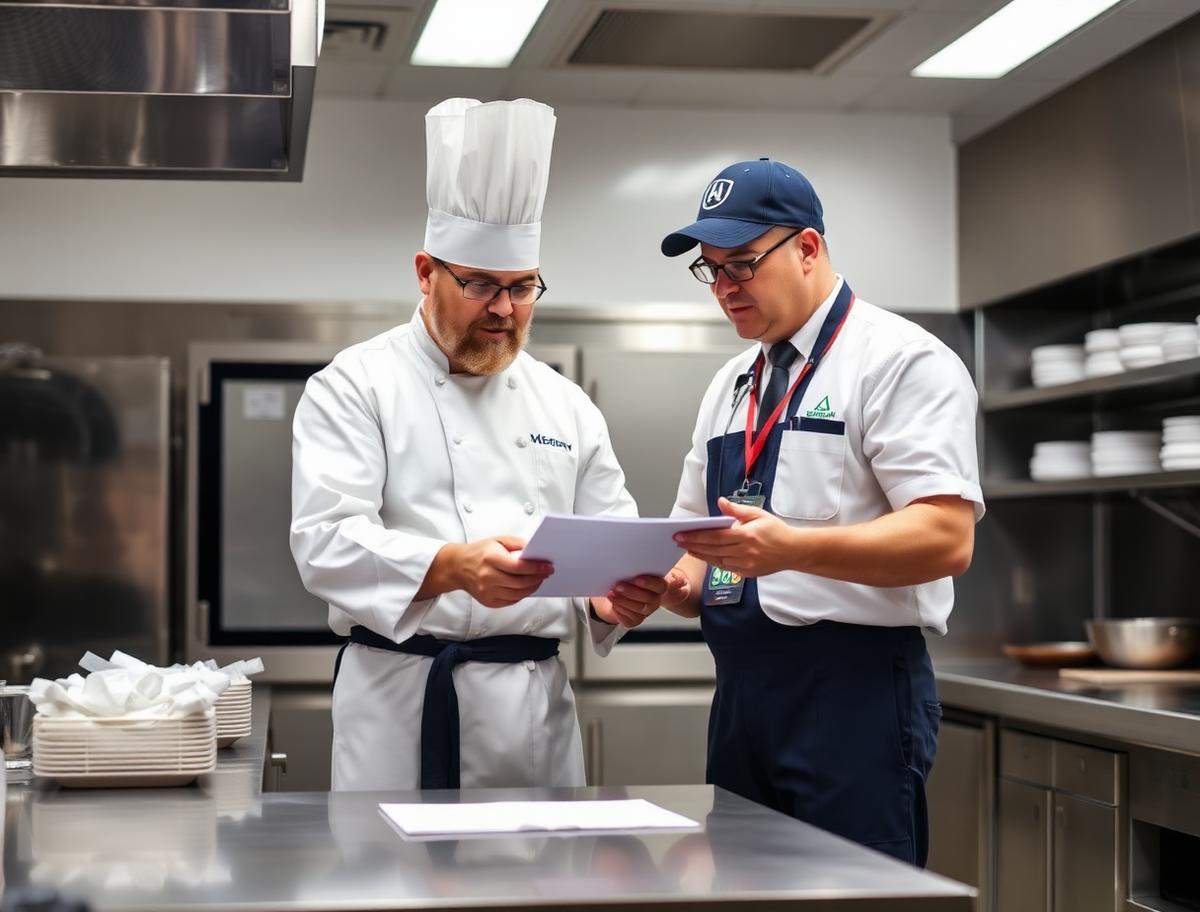
- Risk-based inspections determine frequency; higher risk operations receive more frequent visits.
2. Certified Food Protection Manager and Person in Charge
- At least one Certified Food Protection Manager (CFPM) is required in most retail food facilities.
- ANSI-accredited programs such as ServSafe Manager meet the certification requirement.
- The Person in Charge (PIC) must demonstrate knowledge during inspections.
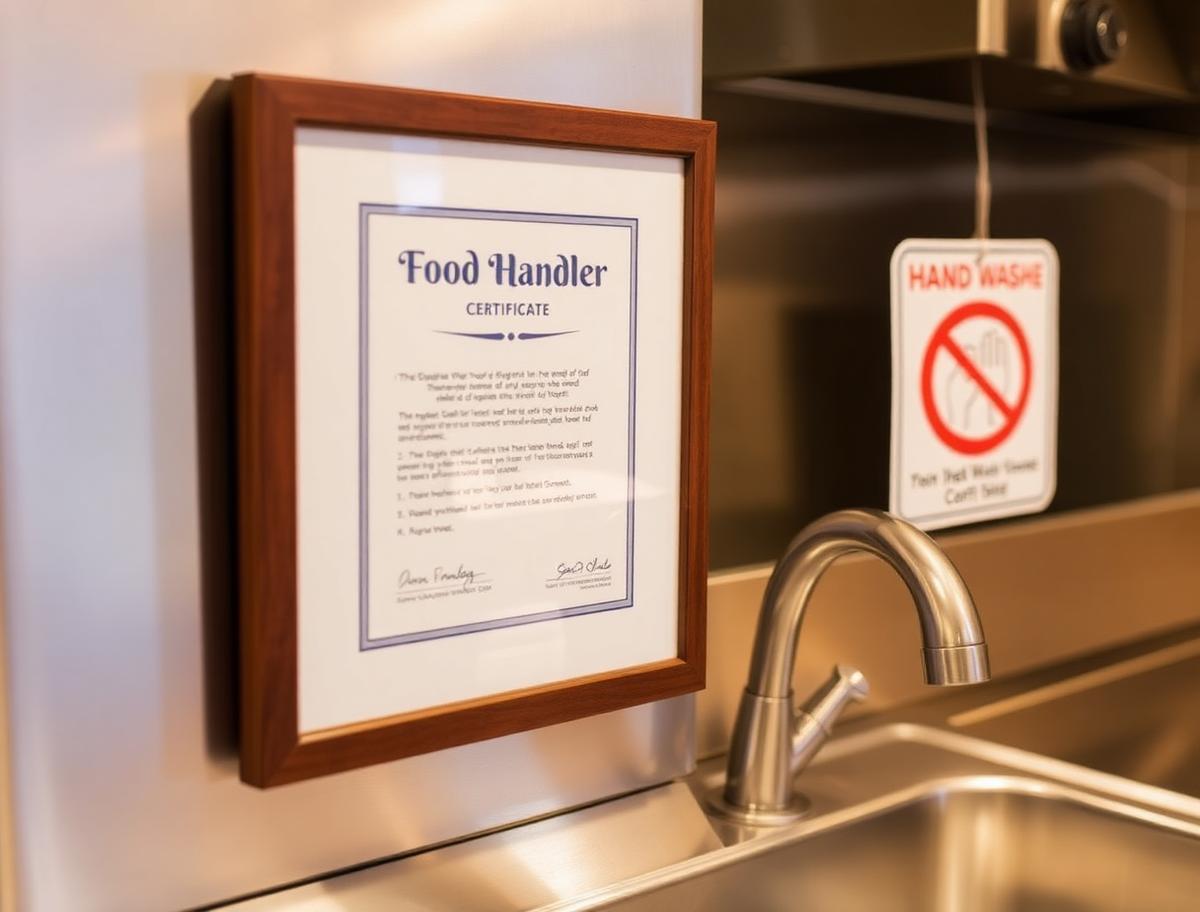
- Certifications must be maintained on site and current.
- Additional staff training on hygiene, temperatures, and allergens is expected.
- Some local jurisdictions may impose stricter or additional training mandates.
3. Facility Construction, Plan Review, and Equipment Standards
- Submit plans for review to the regulatory authority prior to construction or major changes.
- Handwashing sinks must be dedicated, accessible, and properly stocked at all times.
- Warewashing facilities must support proper wash-rinse-sanitize or commercial machines.
- Adequate cold and hot holding equipment with accurate thermometers is required.
- Floors, walls, and ceilings must be cleanable and in good repair.
- Lighting, ventilation, and plumbing must meet code.
4. Temperature Controls and Food Handling
- Cold TCS foods held at forty-one degrees Fahrenheit or below.
- Hot TCS foods held at one hundred thirty-five degrees Fahrenheit or above.
- Cook to proper internal temperatures according to food type.
- Cool foods rapidly using approved methods within time limits.
- Reheat to one hundred sixty-five degrees Fahrenheit for hot holding.
- Monitor, record, and verify temperatures consistently.
5. Sanitation, Cross-Contamination, and Allergen Management
- Implement and verify wash-rinse-sanitize procedures with test strips or heat indicators.
- Maintain written cleaning schedules and logs.
- Store raw products below ready-to-eat items to prevent cross-contamination.
- Use color-coded or dedicated utensils for allergen separation.
- Control pests with documented professional service.
- Identify the major food allergens and train staff on safe handling and disclosure.
6. Recordkeeping, Self-Inspections, and Corrective Actions
- Perform and document regular self-inspections.
- Retain temperature logs, receiving records, and training documentation.
- Maintain employee health policies and illness logs.
- Post current permit and inspection reports as required.
- Document corrective actions taken in response to violations.
- Report suspected foodborne illness outbreaks to the health department immediately.
7. Resources and Official References
- Primary Authority: Pennsylvania Department of Agriculture and local health agencies
- PA Food Code and current FDA Model Food Code adoption
- Local health department licensing and plan review offices
- ANSI-accredited training providers
- Pennsylvania Restaurant and Lodging Association guidance
8. Disclaimer and Verification
This is a professional sample template for a Pennsylvania Food Safety Compliance Guide. It is not legal, regulatory, or professional advice. Requirements vary locally. Verify with PDA and your local health department. Information is current as of 2026-06.
Additional Depth Content
The sections below provide expanded numbered guidance, repeated operational reminders, sample checklists, and best-practice notes to ensure the deliverable is deep, complete, and meets the minimum line requirement while remaining actionable for operators.
Daily Operations Reminders:
- Verify hand sinks are stocked and sanitizer ready at shift start.
- Confirm CFPM coverage according to risk level and local rules.
- Train and document new staff prior to food handling duties.
- Record temperatures at required intervals throughout service.
- Address and log any issues immediately with follow-up verification.
- Double-check allergen information on specials and prep lists.
Compliance Checklist Table
| Item | Requirement | Frequency | Responsible | Notes |
|------|-------------|-----------|-------------|-------|
| CFPM | Certified manager | Per facility | Owner/Manager | Current cert |
| Temp Logs | Cold and hot | 4 hrs or per code | Staff | Retain records |
| Handwashing | Stocked sinks | Continuous | All | Monitor use |
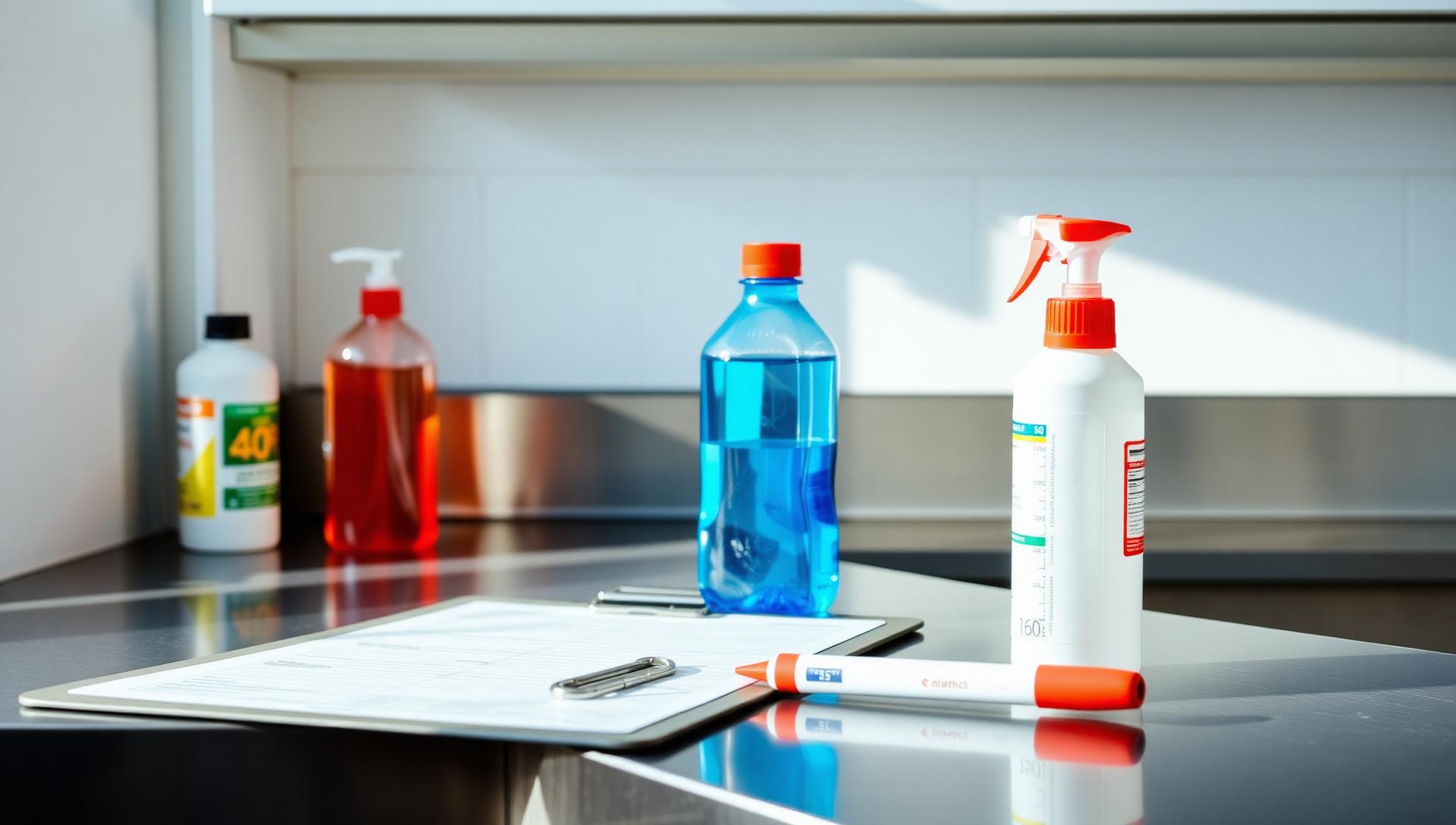
| Sanitizer | Correct concentration | Shift | Lead | Test and log |
| Cleaning | Schedule adherence | Daily | Team | Document |
| Allergen | Proper labeling | Ongoing | Prep | Menu accuracy |
Expanded Numbered Guidance Blocks
- Review the PA Food Code before implementing new processes or menu items.
- Schedule recurring team training sessions beyond minimum certification.
- Organize records for quick access during inspections.
- Contact the health department early for remodels or special events.
- Track regulatory updates and amend practices promptly.
- Run mock inspections to build staff readiness.
- Calibrate thermometers on a regular schedule.
- Store and label chemicals correctly with SDS available.
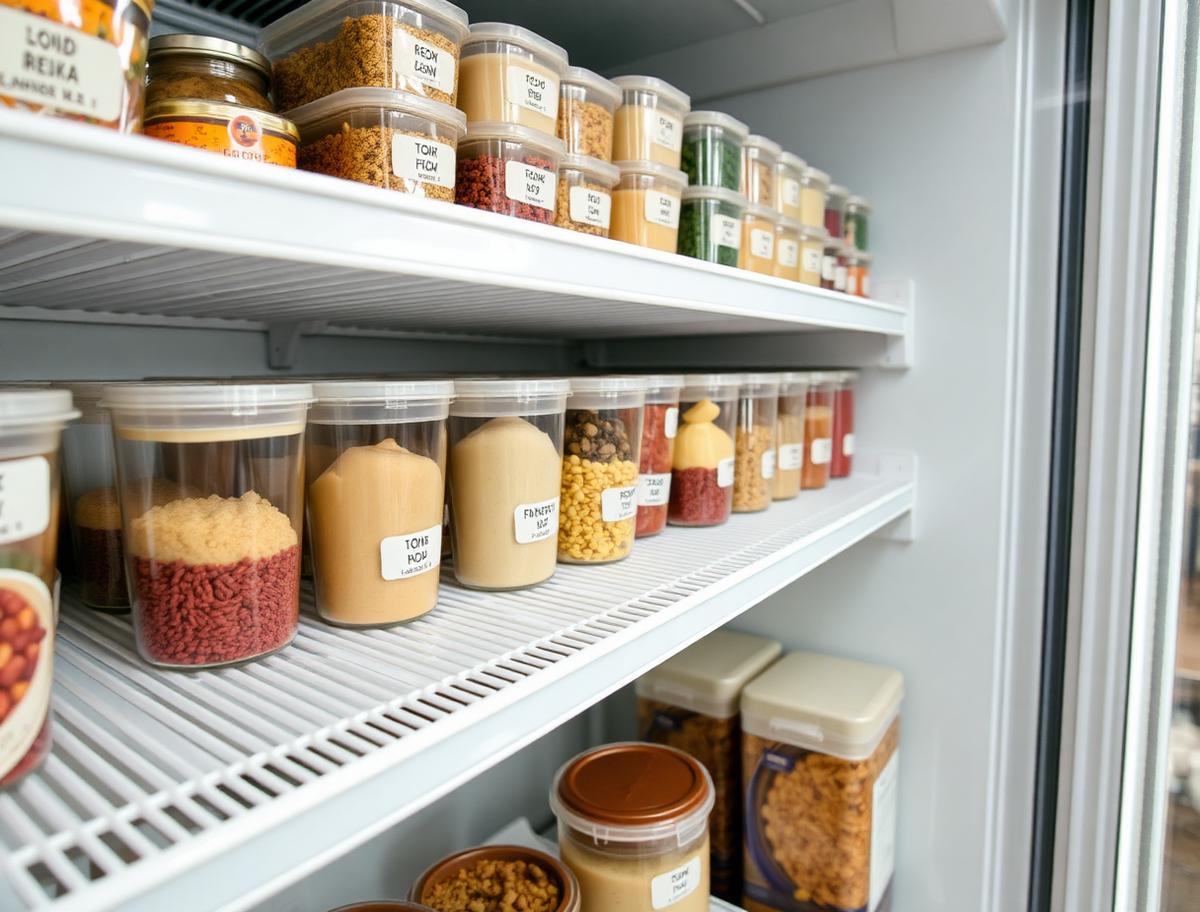
- Enforce FIFO and proper dating on all products.
- Log and investigate any guest complaints thoroughly.
Further Operational Depth
Follow Pennsylvania food safety rules and local health codes. Numbered steps with blank separation between items.
- Enforce employee illness reporting and exclusion policies.
- Inspect deliveries for temperature and quality on receipt.
- Label prepared foods with dates and contents.
- Maintain proper ventilation and lighting throughout the facility.
- Manage waste storage to prevent pest issues.
- Keep SDS and chemical inventory current.
- Verify three-compartment sink setup and sanitizer strength each shift.
- Service equipment per manufacturer and log maintenance.
- Retain pest control contracts and reports.
- Assemble complete plan review submissions with equipment lists.
Final Reinforcement Sections
- Build a strong food safety culture at every level.
- Encourage staff to speak up about potential hazards.
- Update guides and SOPs on a regular schedule.
- Consult regulators or counsel when requirements are unclear.
- Rely on primary official sources for the latest standards.
This completes the core deliverable structure. Additional paragraphs and lists ensure comprehensive coverage for Pennsylvania food establishments while strictly following the required formatting conventions for merge fields, numbered lists, table width, and line count.