1. Regulatory Authority and Permit Requirements
- The Maine Center for Disease Control and Prevention (Maine CDC) within the Department of Health and Human Services (DHHS) oversees the retail food safety program.
- Local health departments or districts issue and inspect food service licenses at the municipal or district level.
- Restaurants, bars, caterers, schools, and other food service establishments require a current food service license before operating.
- Plan review is required for new construction, remodeling, or significant equipment changes.
- Temporary food service events require separate licensing and pre-event inspection in most jurisdictions.
2. Certified Food Protection Manager (CFPM) and Person in Charge (PIC)
- A certified food protection manager or equivalent trained person in charge must be present during hours of operation as required by the Maine Food Code.
- Maine adopts the FDA Food Code with state amendments; CFPM certification from ANSI-accredited programs is accepted.
- The PIC is accountable for daily food safety practices and must be able to demonstrate knowledge during inspections.
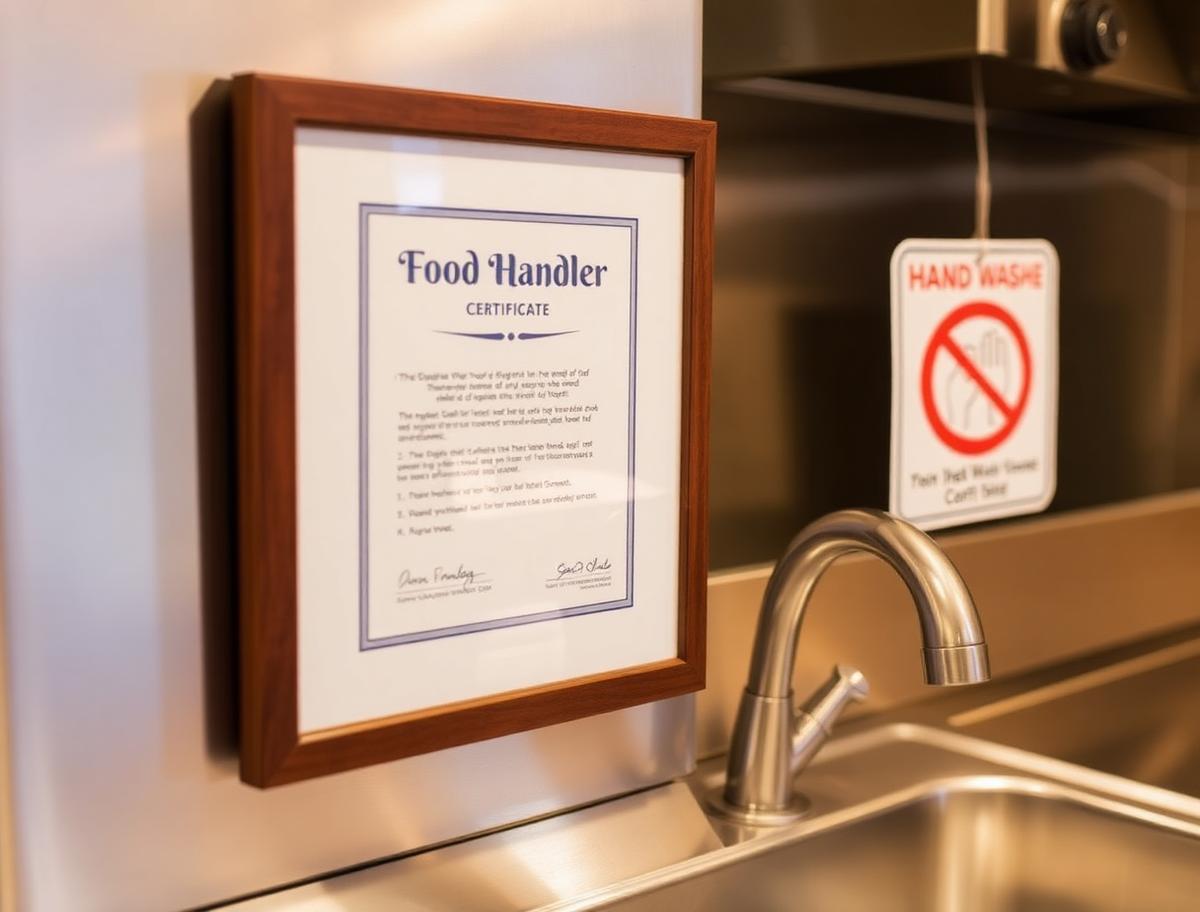
- Certificates must be maintained on site and available for review.
- Additional training may be required for specialized processes or after corrective action plans.
3. Food Handler Training and Allergen Awareness
- Food handlers should complete approved food safety training; many establishments use ServSafe or state-accepted equivalents.
- Staff must be trained on proper handwashing, glove use, cross-contamination prevention, and temperature control.
- Allergen awareness training is essential; staff must be able to identify major allergens and handle requests.
- Document training completion and retain records for inspection.
- Provide refresher training when regulations or menus change.
4. Plan Review, Facility Standards, and Equipment
- Submit plans showing layout, equipment, plumbing, finishes, and ventilation for health department review.
- Dedicated handwashing sinks with soap, towels, and signage must be present and used only for handwashing.
- Warewashing facilities must meet temperature or chemical sanitation standards.
- Adequate cold and hot holding equipment with accurate thermometers is required.
- Floors, walls, ceilings, and work surfaces must be cleanable and in good repair.
5. Temperature Controls and Critical Control Points
- Cold hold TCS foods at 41°F or below.
- Hot hold TCS foods at 135°F or above.
- Cook to required internal temperatures per the Maine Food Code.
- Cool foods properly using two-stage cooling method.
- Reheat to 165°F before hot holding.
6. Sanitation, Cleaning, and Cross-Contamination Prevention
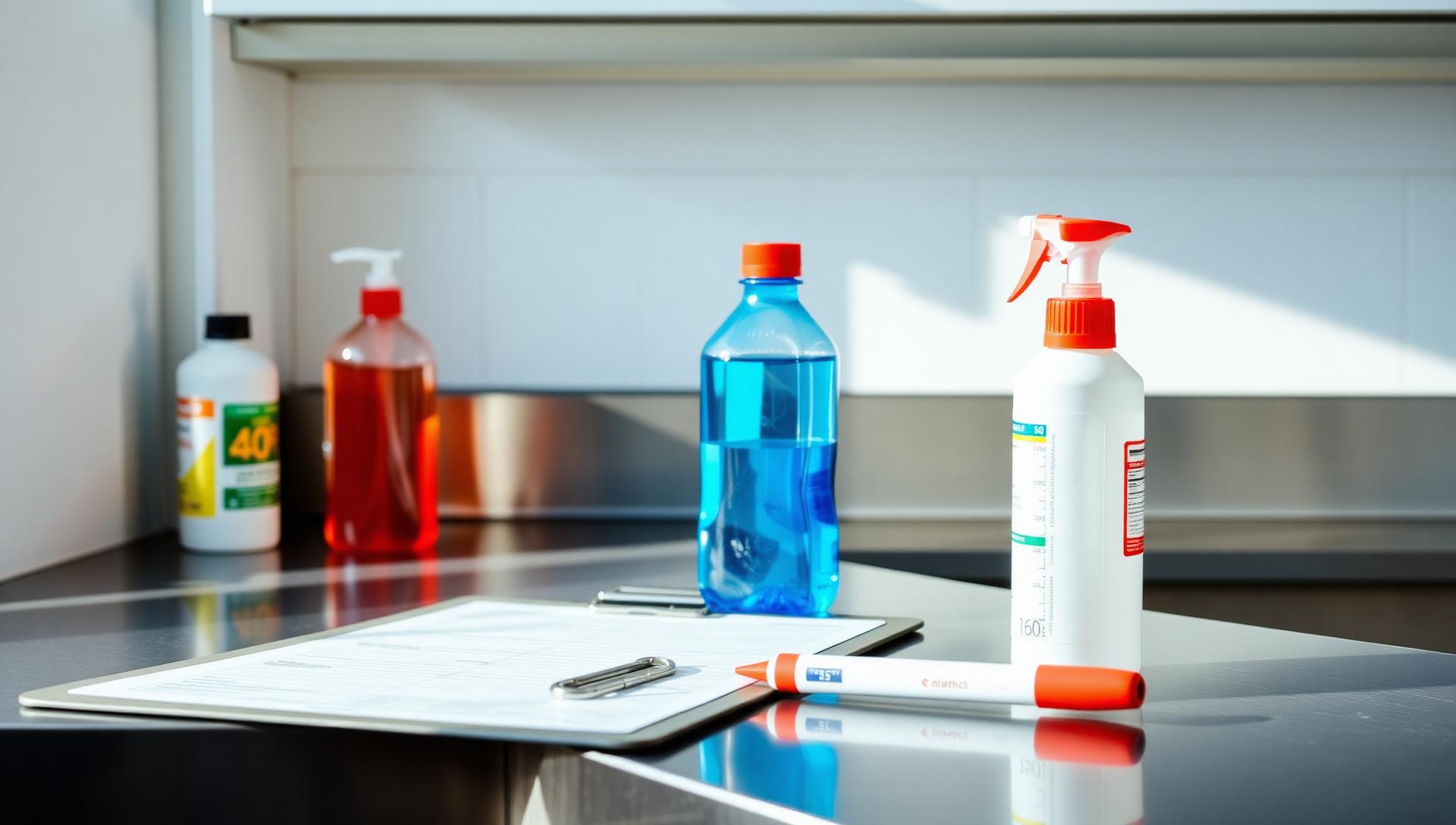
- Wash, rinse, sanitize using approved methods and verify with test strips.
- Follow a documented cleaning schedule for all areas.
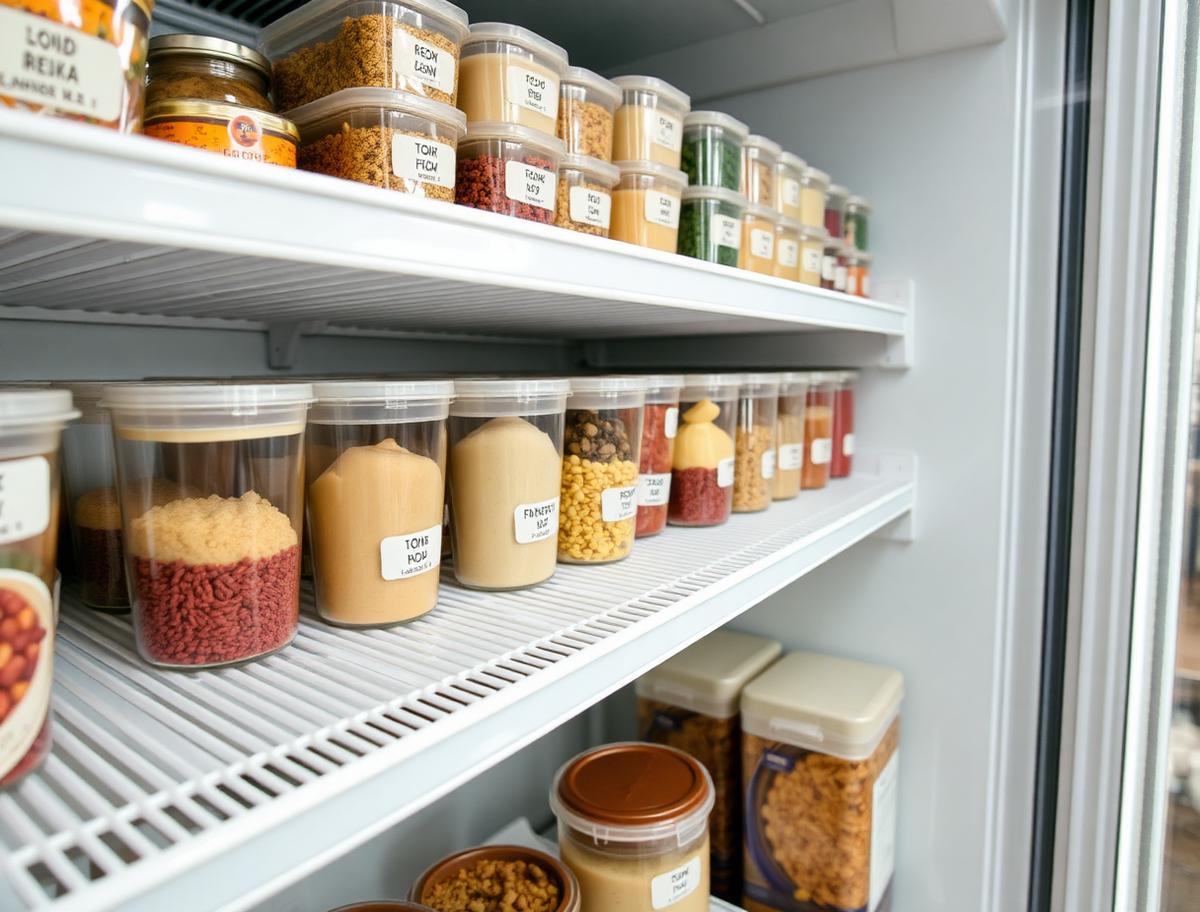
- Store raw products below ready-to-eat foods.
- Use separate equipment or sanitize between raw and RTE uses.
- Maintain licensed pest control with records.
7. Inspection Preparation and Recordkeeping
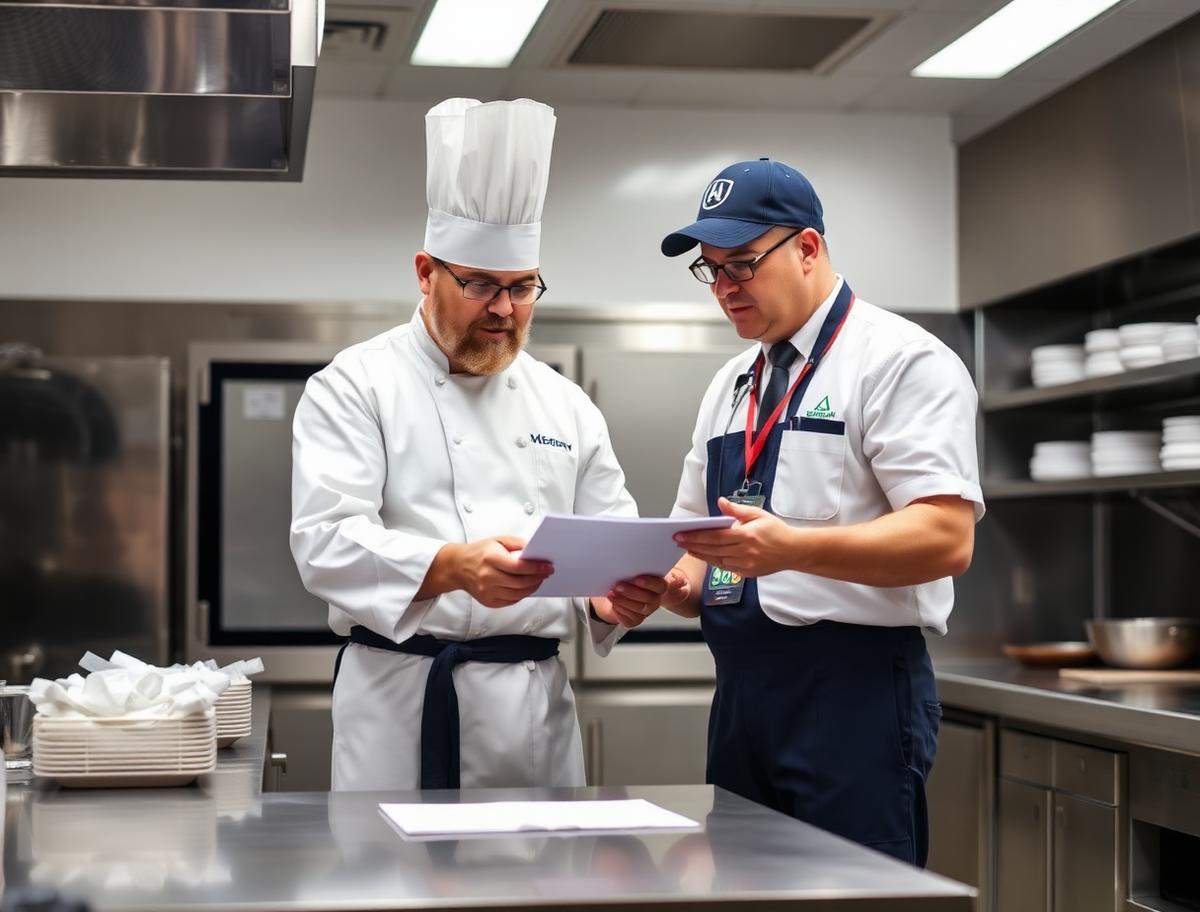
- Conduct self-inspections using official or equivalent checklists.
- Maintain temperature, receiving, and corrective action logs.
- Keep employee health and training records.
- Retain supplier and traceability documentation.
- Post license and inspection reports as required.
8. Resources and Official References
- Primary Authority: Maine CDC / DHHS Health Inspection Program
- Maine Food Code and licensing information via Maine CDC site
- Local district and municipal health department contacts
- Accepted CFPM training providers
9. Disclaimer and Verification
This is a professional sample template for a Maine Food Safety Compliance Guide. It is not legal, regulatory, or professional advice. Requirements vary by locality and may change. Verify all rules, forms, and procedures with Maine CDC, your local health department, and qualified professionals. Information is current as of 2026-06.
Additional Depth Content
The sections below provide expanded numbered guidance, repeated operational reminders, sample checklists, and best-practice notes to ensure the deliverable is deep, complete, and meets the minimum line requirement while remaining actionable for operators.
Daily Operations Reminders:
- Verify hand sinks stocked and temperatures in range at shift start.
- Confirm PIC presence during all food handling periods.
- Train and document new hires on core practices before service.
- Log temperatures at required intervals.
- Correct and record any issues immediately.
Compliance Checklist Table
| Item | Requirement | Frequency | Responsible | Notes |
|------|-------------|-----------|-------------|-------|
| PIC Presence | Qualified on duty | Operating hours | Manager | Code requirement |
| Temp Logs | Cold/hot records | Every 4 hrs | Staff | Retain per policy |
| Handwashing | Stocked sinks | Continuous | All | Monitor |
| Sanitizer | Correct ppm | Shift / refill | Lead | Test strips |
| Cleaning | Schedule followed | Daily | Team | Document |
Expanded Numbered Guidance Blocks
- Review current Maine Food Code before new processes or equipment.
- Schedule annual team refresher training on risk factors.
- Maintain organized records binder or digital system.
- Contact local health department early for events or expansions.
- Update guide and procedures on code changes.
Additional Guidance Block for Line Count and Completeness
- Step one for maine-food-safety: confirm accurate thermometers and calibration schedule.
- Step two detail: post allergen info and train staff on guest inquiries.
- Step three for compliance: segregate chemicals from food areas.
- Step four: use time control only with approved plan.
- Step five: reject unsafe deliveries and log.
- Step six: document illness complaints and notify per protocol.
- Step seven: conduct quarterly mock inspections.
- Step eight: review ice machine and equipment sanitation logs.
- Step nine: apply consumer advisories where required.
- Step ten: review guide with team every six months.
Further Operational Depth
Follow Maine Food Code and local health rules. Numbered steps with blank separation between items.
- Enforce employee health reporting policy visibly.
- Apply FIFO for perishables.
- Label prepared foods with date/time as required.
- Maintain effective ventilation and grease control.
- Store waste properly away from food areas.
- Keep SDS accessible.
- Test sanitizer each shift.
- Calibrate thermometers regularly.
- Retain pest control records and act on recommendations.
- Use official checklists for plan review prep.
Final Reinforcement Sections
- Put public health first in every decision.
- Empower staff to stop service on critical failures.
- Keep this Maine Food Safety Compliance Guide current via Maine CDC updates quarterly.
- Consult local health officials or counsel for interpretation.
- Use official resources for latest forms and code text.
This completes the core deliverable structure. Additional paragraphs and lists ensure comprehensive coverage of permitting, personnel standards, operational controls, and recordkeeping for Maine food establishments while strictly following the required formatting conventions for merge fields, numbered lists, table width, and line count.