1. Regulatory Authority and Permit Requirements
- The Louisiana Department of Health (LDH) Office of Public Health, Bureau of Sanitarian Services administers the retail food safety program under the Louisiana State Sanitary Code, Title 51.
- Local parish health units and sanitarians enforce rules and issue food service permits at the parish level.
- All restaurants, bars serving food, cafeterias, caterers, and other food service establishments must hold a current food permit prior to opening and renew annually.
- Construction and remodeling plans must be submitted for review and approval by the parish health unit before work begins.
- Temporary and mobile food units require separate permits and inspections for each event or location.
2. Certified Food Protection Manager (CFPM) and Person in Charge (PIC)
- A designated Person in Charge must be present during all hours of operation and demonstrate knowledge of food safety principles.
- At least one Certified Food Protection Manager (CFPM) from an ANSI-accredited program is required for most full-service establishments.
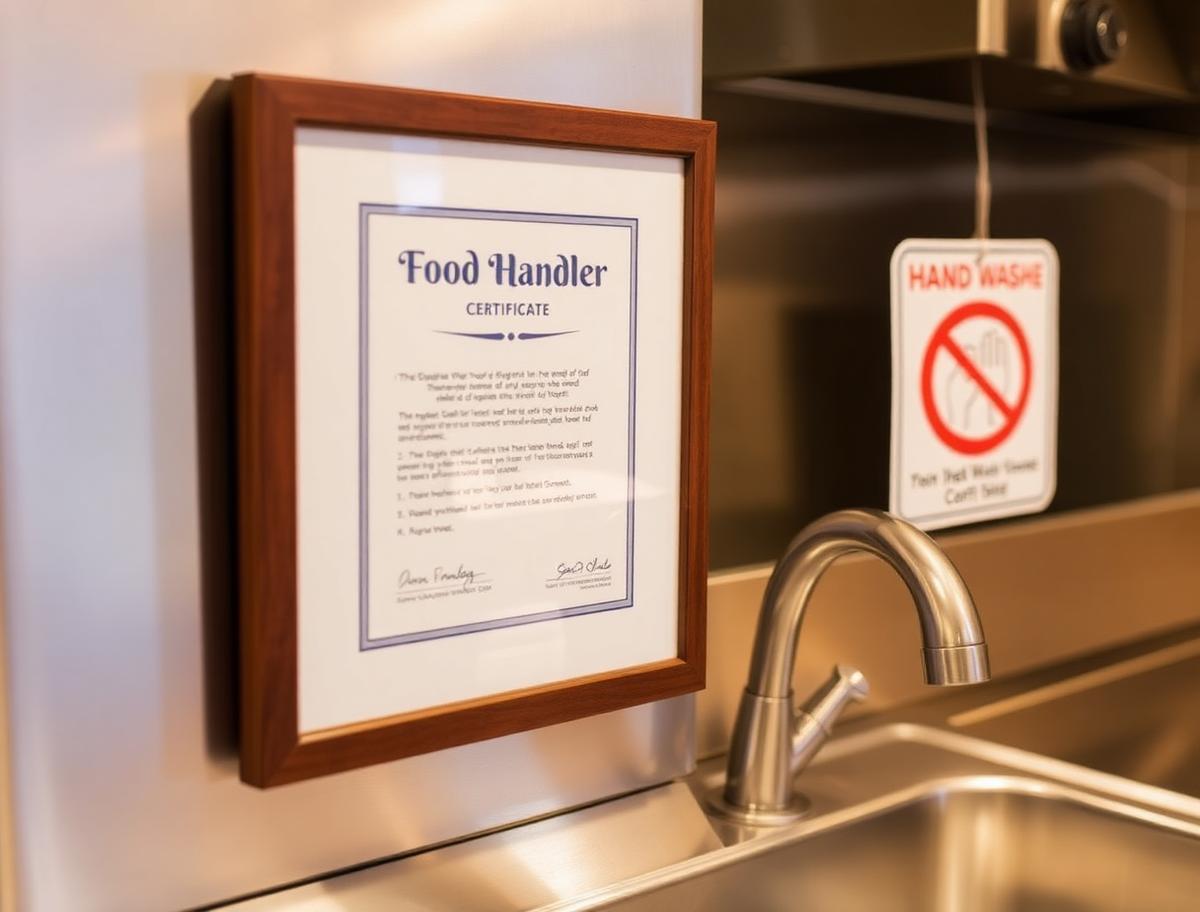
- The CFPM certificate must be current and available for review; some jurisdictions require posting.
- The PIC is responsible for ensuring all employees follow proper food handling, temperature control, and sanitation practices.
- Additional manager training or certification may be required for certain high-risk operations or after violations.
3. Food Handler Training and Allergen Awareness
- Louisiana requires food handler training for employees in many parishes; ServSafe or equivalent courses are widely accepted.
- All food employees must receive training on handwashing, cross-contamination, temperature controls, and personal hygiene.
- The PIC must ensure staff understand major food allergens and can handle special requests safely.
- Keep written or electronic training records on site for inspector review.
- Provide ongoing reinforcement and refresher training especially when processes or menus change.
4. Plan Review, Facility Standards, and Equipment
- Submit detailed plans including layout, equipment, plumbing, ventilation, and surface finishes to the parish health unit.
- Handwashing sinks must be conveniently located, dedicated, properly stocked, and used exclusively for handwashing.
- Provide commercial warewashing equipment (three-compartment sink or dishwasher) meeting sanitation temperature and chemical requirements.
- Ensure adequate refrigeration, hot-holding, and cooking equipment with accurate thermometers.
- All surfaces in food areas must be smooth, durable, cleanable, and non-absorbent; proper lighting and ventilation required.
5. Temperature Controls and Critical Control Points
- Cold hold potentially hazardous foods at 41°F (5°C) or below.
- Hot hold potentially hazardous foods at 135°F (57°C) or above.
- Cook foods to the minimum internal temperatures specified in the Sanitary Code (poultry 165°F, etc.).
- Cool foods from 135°F to 70°F in two hours and from 70°F to 41°F in four additional hours using approved methods.
- Reheat foods to 165°F for 15 seconds before hot holding.
6. Sanitation, Cleaning, and Cross-Contamination Prevention
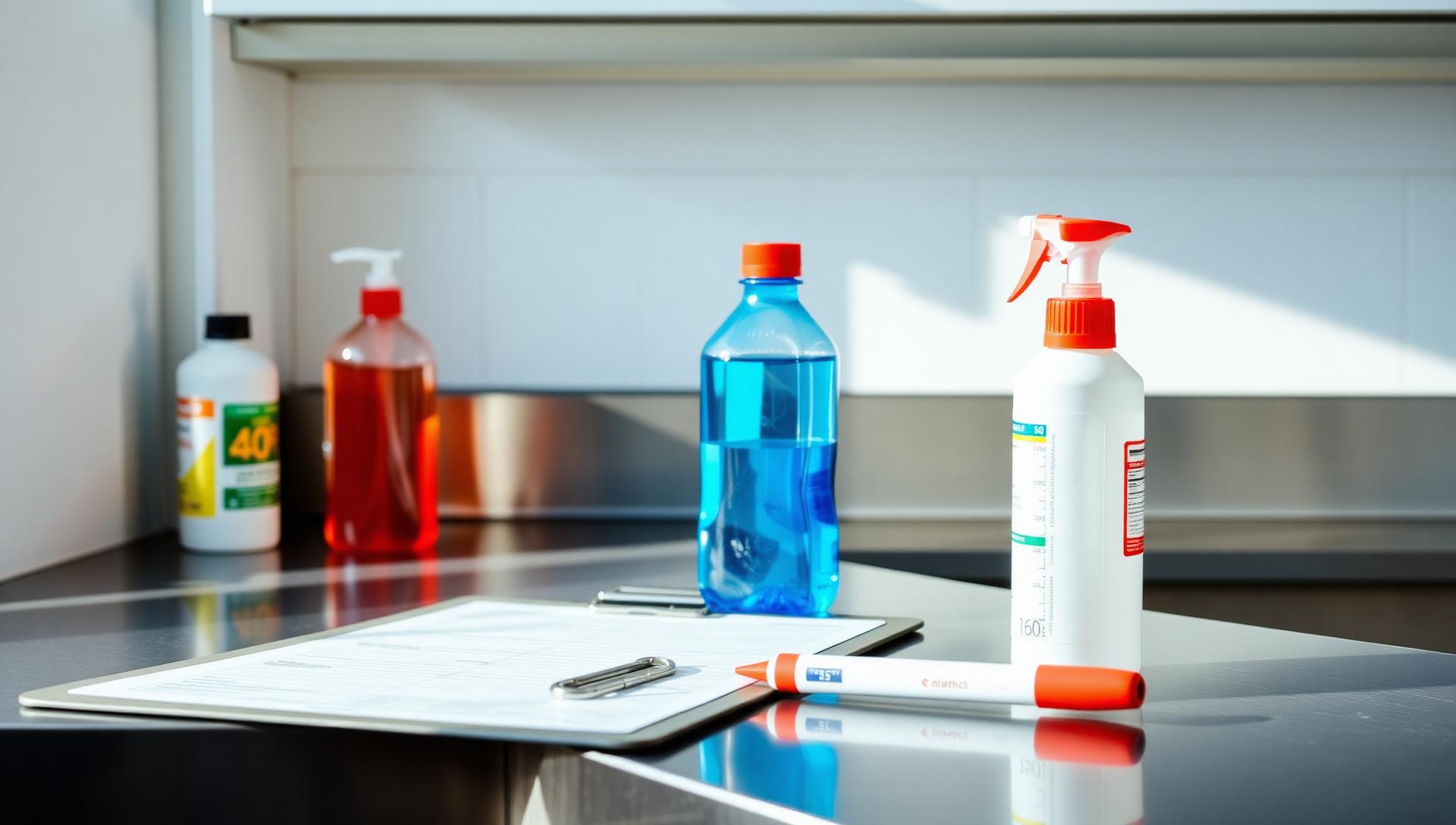
- Wash-rinse-sanitize all food contact surfaces using approved methods and verify sanitizer concentration with test strips.
- Follow and document a written cleaning schedule for all areas and equipment.
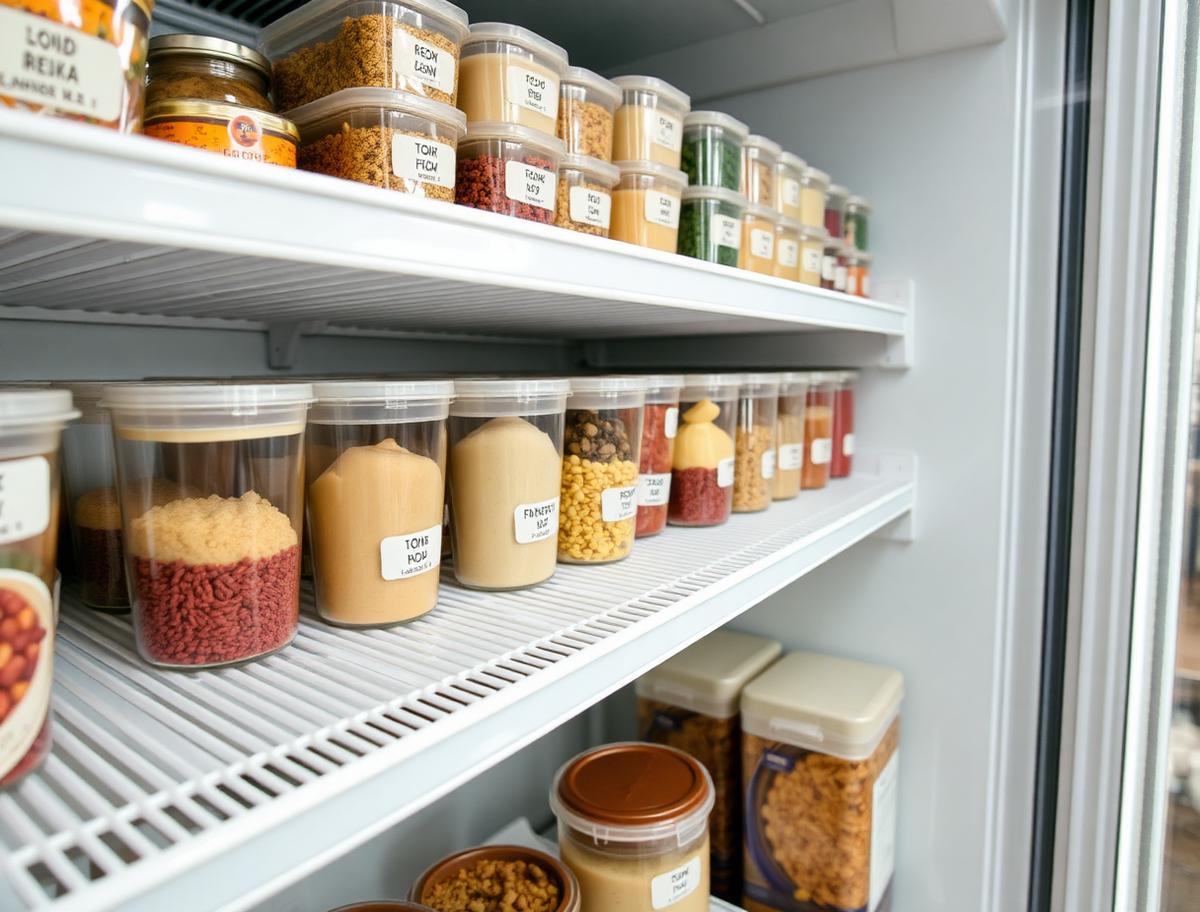
- Store raw animal products below ready-to-eat foods in refrigeration at all times.
- Use separate or properly sanitized utensils and cutting boards for raw versus ready-to-eat items.
- Maintain an active pest control program with a licensed provider and keep service records.
7. Inspection Preparation and Recordkeeping
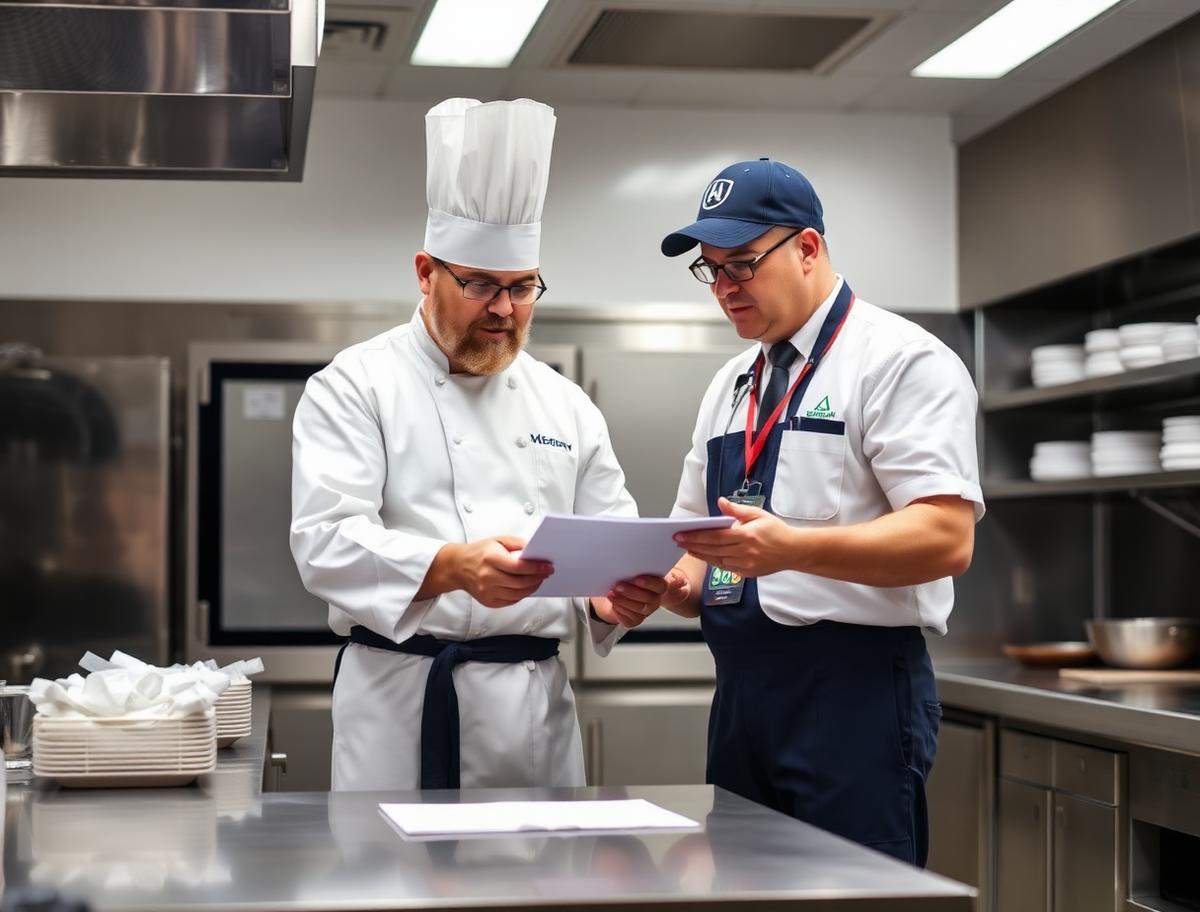
- Perform regular self-inspections using forms aligned with LDH or parish inspection criteria.
- Maintain temperature logs, receiving logs, and corrective action records.
- Keep employee illness and injury logs and enforce exclusion policies per the code.
- Retain supplier traceability information and lot codes for potentially hazardous foods.
- Post permit and recent inspection results as required locally.
8. Resources and Official References
- Primary Authority: Louisiana Department of Health (LDH), Office of Public Health, Bureau of Sanitarian Services
- State Sanitary Code Title 51 and retail food guidance: LDH website
- Parish health unit contacts and permit applications: available via LDH Office of Public Health directory
- Accepted CFPM programs and training providers
9. Disclaimer and Verification
This is a professional sample template for a Louisiana Food Safety Compliance Guide. It is not legal, regulatory, or professional advice. Requirements vary by parish and may change. Verify every requirement, fee, form, and procedure with the Louisiana Department of Health, your parish health unit, and qualified professionals before relying on this guide. Information is current as of 2026-06.
Additional Depth Content
The sections below provide expanded numbered guidance, repeated operational reminders, sample checklists, and best-practice notes to ensure the deliverable is deep, complete, and meets the minimum line requirement while remaining actionable for operators.
Daily Operations Reminders:
- Open every shift by confirming hand sinks are stocked, sanitizer buckets are correct strength, and refrigeration is at or below 41°F.
- Verify a qualified PIC or CFPM is on site for the entire period of food preparation and service.
- Complete and document training for every new team member on hygiene, glove use, and allergen handling before they work with food.
- Log cold and hot holding temperatures at opening and at least every four hours.
- Correct critical issues immediately and record the action taken.
Compliance Checklist Table
| Item | Requirement | Frequency | Responsible | Notes |
|------|-------------|-----------|-------------|-------|
| PIC / CFPM | Qualified person on duty | All operating hours | Manager | Per parish rules |
| Temp Monitoring | Cold/hot logs | Every 4 hours minimum | Staff | 30+ day retention |
| Handwashing | Stocked dedicated sinks | Continuous | All | Monitor actively |
| Sanitizer | Verified ppm | Shift changes | Lead | Test strips logged |
| Cleaning | Schedule followed | Daily | Team | Document sign-off |
Expanded Numbered Guidance Blocks
- Review the current Title 51 Sanitary Code sections on retail food before any process change or new equipment installation.
- Schedule team-wide refresher training covering risk factors at least annually or after any violation or incident.
- Organize a compliance binder or digital folder containing permits, certificates, logs, and recent inspection reports.
- Reach out to the parish health unit early when planning events, pop-ups, or multi-parish catering.
- Update procedures and this guide whenever LDH or the parish issues new interpretations or rule changes.
Additional Guidance Block for Line Count and Completeness
- Step one for louisiana-food-safety: confirm accurate external thermometers on all cold and hot units and calibrate on schedule.
- Step two detail: display allergen information and train staff to ask about allergies at every order.
- Step three for compliance: store all chemicals away from and never above food or single-service items.
- Step four: use time as public health control only under an approved written plan with strict documentation.
- Step five: reject deliveries that arrive outside safe temperature ranges and log the rejection.
- Step six: document and report suspected foodborne illness complaints following parish protocol.
- Step seven: run mock inspections using official forms quarterly and correct findings promptly.
- Step eight: review ice machine sanitation and water quality logs monthly.
- Step nine: apply required consumer advisories to all raw or undercooked menu offerings.
- Step ten: review the full guide with management and key staff at least every six months.
Further Operational Depth
Follow all applicable Louisiana Sanitary Code rules enforced by parish health units. Numbered steps with blank separation between items.
- Post and enforce a clear employee health policy with symptom reporting requirements.
- Apply strict first-in first-out rotation for all time/temperature control for safety foods.
- Label prepared items with date and time when required by the code.
- Maintain ventilation that effectively removes grease, smoke, and odors.
- Use covered, cleanable containers for waste stored away from food areas.
- Keep SDS sheets accessible for all chemicals used in the operation.
- Test sanitizer strength at the start of each shift and after every refill.
- Calibrate probe thermometers regularly using the ice point method.
- Retain pest control service reports and follow recommended corrective actions.
- Use official checklists when preparing for plan review or major renovations.
Final Reinforcement Sections
- Prioritize public health and code compliance over speed or convenience in all decisions.
- Empower staff at every level to pause operations when critical limits are not met.
- Keep this Louisiana Food Safety Compliance Guide current by monitoring LDH and parish health unit updates quarterly.
- Consult the parish health unit or counsel for specific code interpretations for your operation.
- Download current forms and the full Sanitary Code text from official LDH resources.
This completes the core deliverable structure. Additional paragraphs and lists ensure comprehensive coverage of food safety management, permitting, personnel standards, operational controls, and recordkeeping for Louisiana food establishments while strictly following the required formatting conventions for merge fields, numbered lists, table width, and line count.