1. Regulatory Authority and Permits
- The Hawaii Department of Health (DOH), Food Safety Branch and local district offices regulate food service establishments under Hawaii Administrative Rules.
- Most food service operations require a permit from the DOH before opening or operating.
- Plan review is required for new construction, remodels, and certain equipment or process changes.
- Permits are renewed on a schedule set by the department with associated fees and inspections.
2. Certified Food Manager and Handler Requirements
- At least one Certified Food Protection Manager with an ANSI-accredited certification is required.
- The CFPM must demonstrate knowledge and ensure practices during operation.
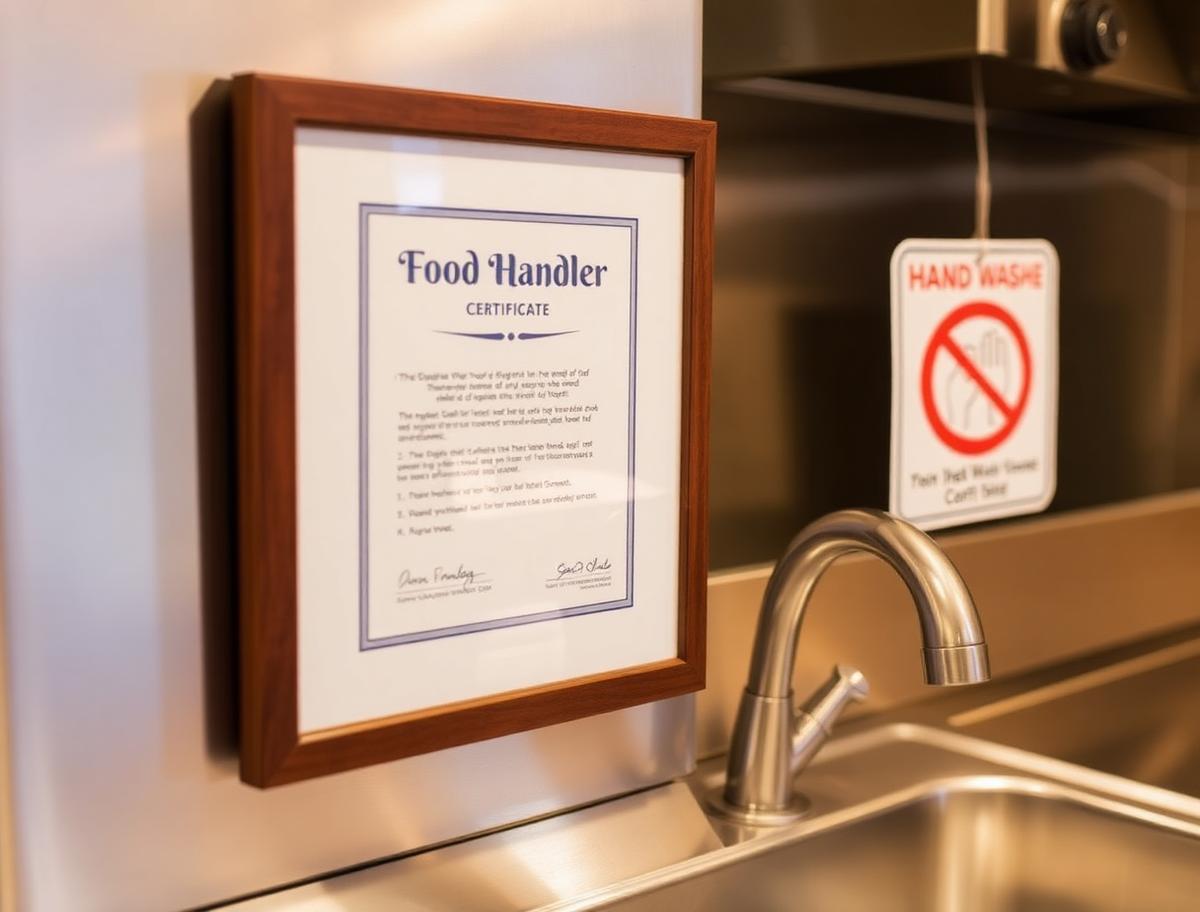
- Food handler training is required for employees handling food.
- Maintain current certificates and present them during inspections.
3. Temperature Controls and Sanitation
- Cold hold at 41°F or below; hot hold at 135°F or above per adopted code.
- Cook to required internal temperatures for TCS foods.
- Cool using approved methods and time limits (two-stage cooling).
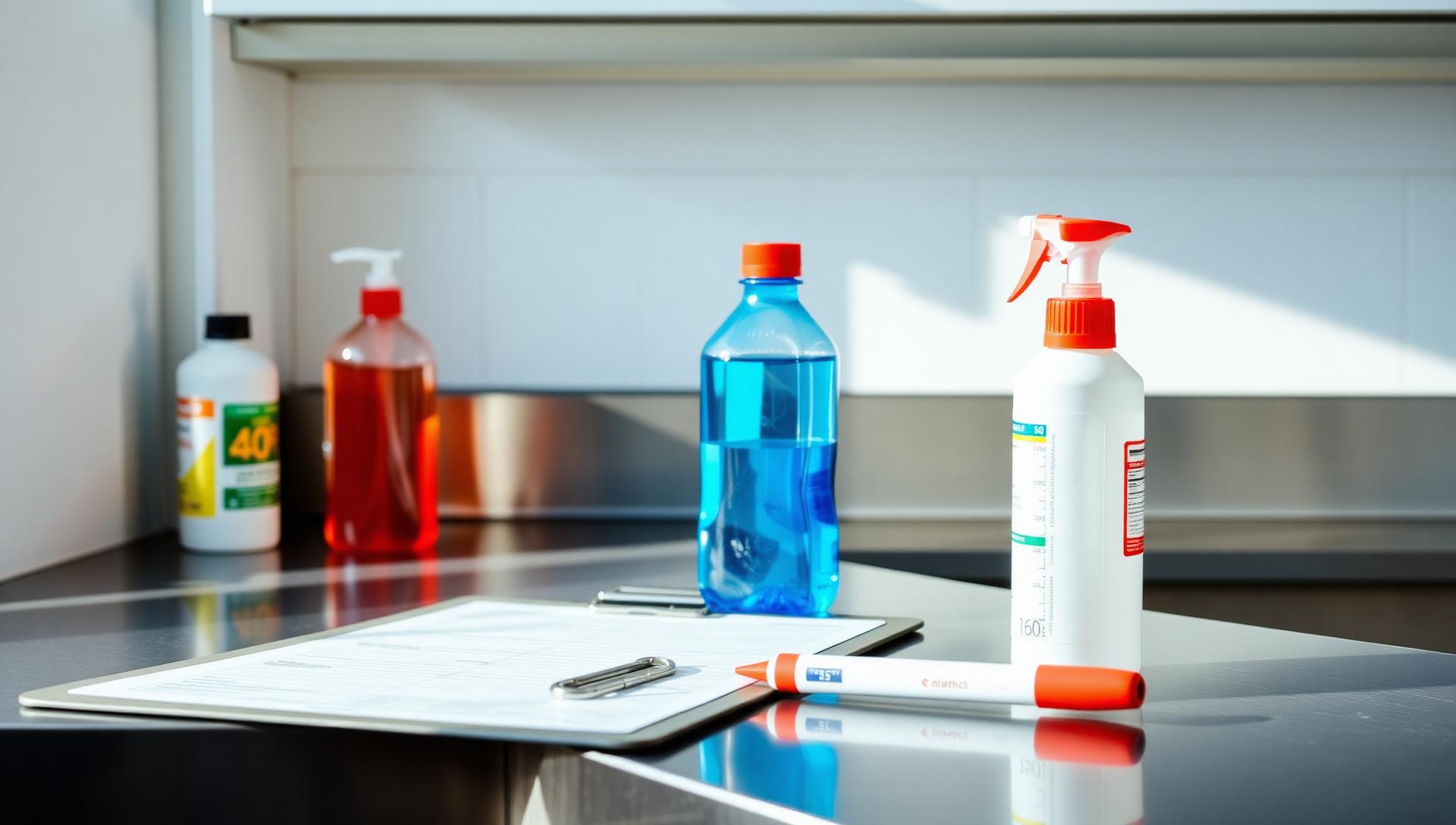
- Wash, rinse, sanitize surfaces and equipment; prevent cross-contamination.
- Enforce employee health reporting and exclusion policies.
4. Additional Requirements
- Allergen awareness, labeling, and consumer advisories.
- Pest control, waste management, and cleaning programs with records.
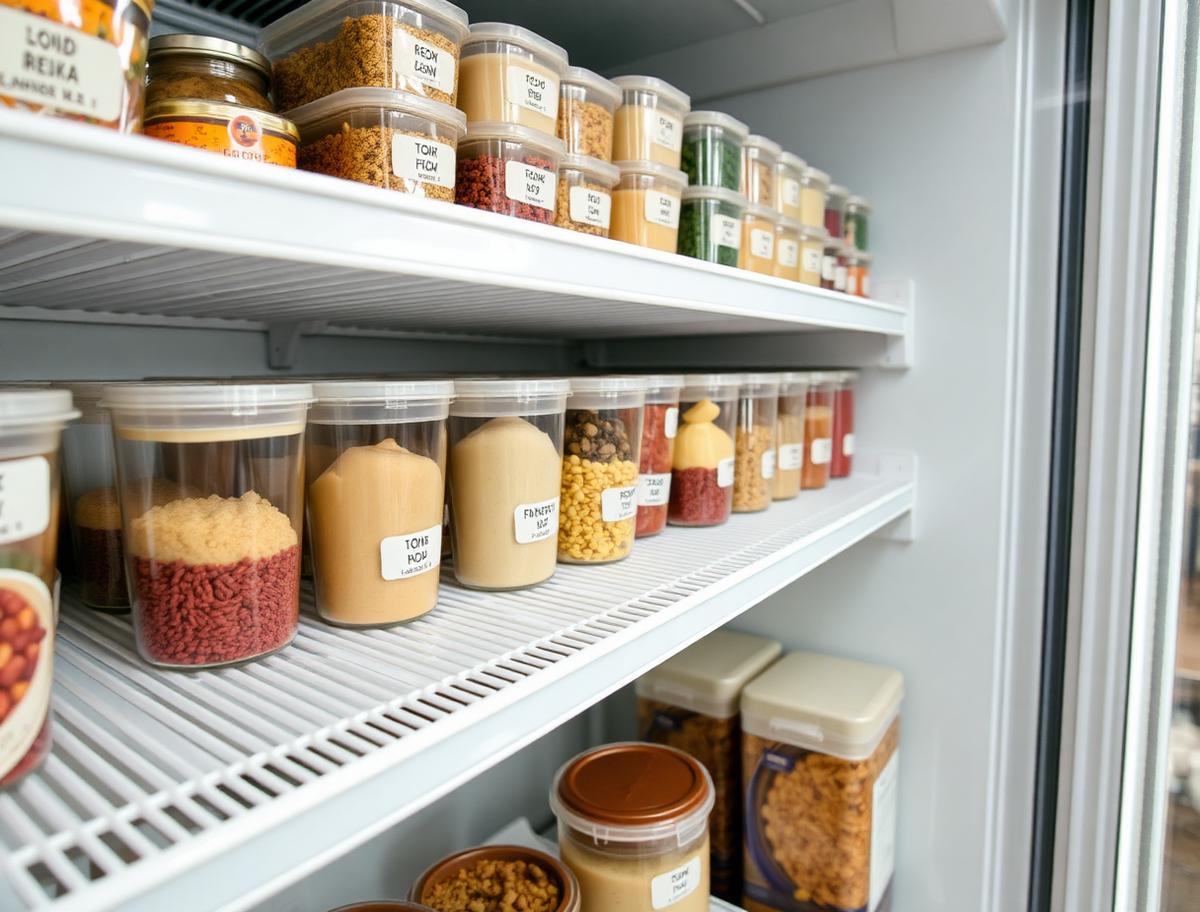
- Proper date marking and labeling of prepared foods.
- Grease interceptor maintenance and chemical safety.
5. Inspection Prep
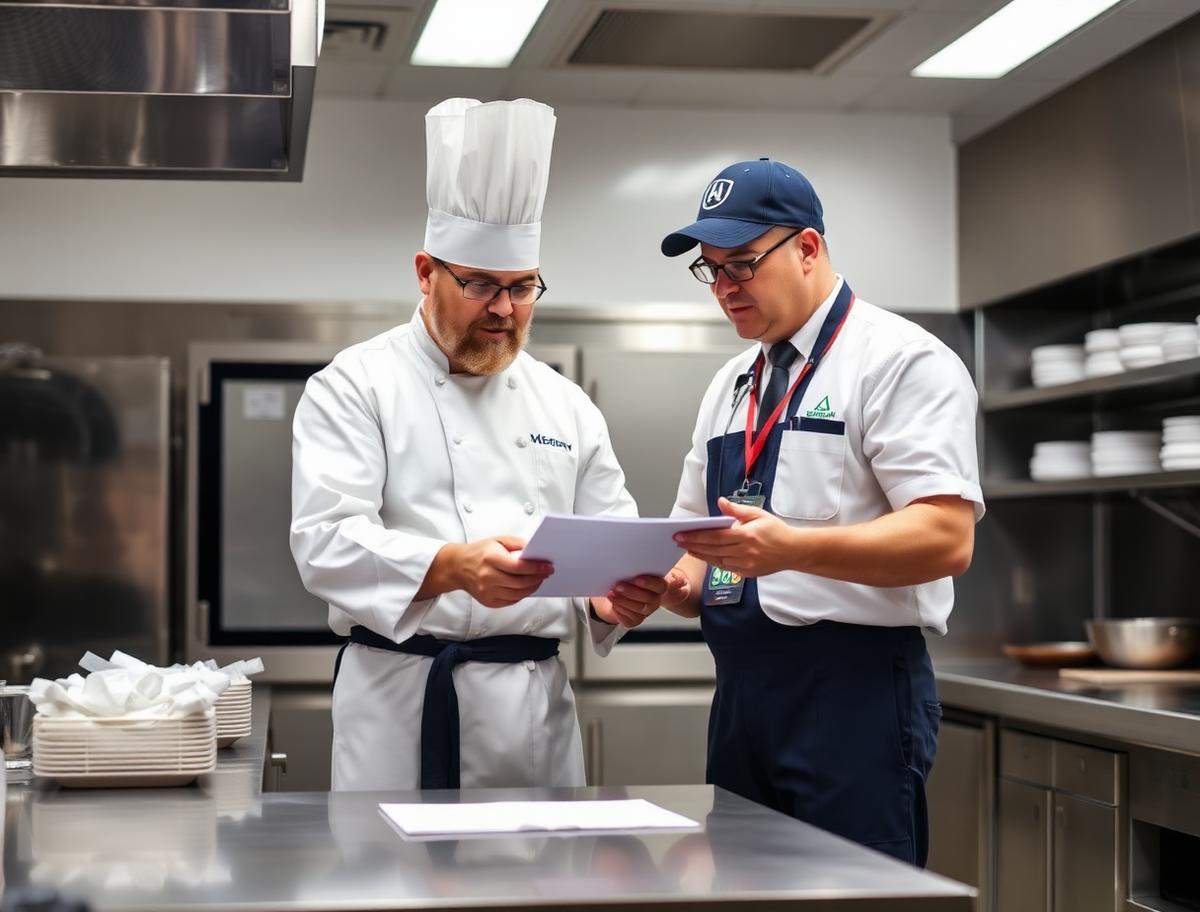
- Use self-inspection checklists aligned with DOH forms.
- Keep logs for temperatures, cleaning, training, and pest control.
- Correct critical violations immediately; document all actions.
- Know scoring or grading system used in your district.
6. Resources and Official References
- Hawaii Department of Health Food Safety Branch
- Local district health offices for permits and inspections
- Hawaii Administrative Rules Title 11 for food service
- FDA Food Code as reference for adopted standards
7. Disclaimer and Verification
This is a professional sample template for a Hawaii Food Safety Compliance Guide. It is not legal or regulatory advice. Requirements, fees, and interpretations vary by island and district. Verify directly with Hawaii DOH and your local district office. Current as of 2026-06.
Additional Depth Content
The sections below repeat structured guidance with additional paragraphs, examples, and reminders to reach required depth and line count. Each area includes numbered steps with blank lines between items as required.
Permit and Setup Reminders:
- Submit complete plans for review well in advance of desired opening.
- Verify adequate handwashing sinks, warewashing, and refrigeration capacity.
- Establish supplier approval and temperature check on receipt.
- Train all staff on Hawaii-specific rules and document.
- Maintain current pest control contract and service records.
Daily Controls Table
| Control | Standard | Check Freq | Log | Owner |
|---------|----------|------------|-----|-------|
| Cold Hold | 41F | 4 hrs | Yes | Line |
| Hot Hold | 135F | 2 hrs | Yes | Line |
| Sanitizer | Per label | Shift | Test | Dish |
| Date Mark | 7 day | Daily | Labels | Prep |
| Handwash | Proper | Ongoing | N/A | All |
Expanded Numbered Guidance Blocks
- Walk the facility every morning before service using a printed checklist.
- Calibrate thermometers and replace batteries on schedule.
- Hold short daily standups on key food safety reminders.
- Audit date marks and storage organization each shift.
- Follow up on any pest control recommendations same day.
Additional Guidance Block for Line Count
- Step one for hawaii-food-safety: contact your district office for the current permit application and inspection form.
- Step two detail: ensure one CFPM is present or immediately available during all operating hours.
- Step three for compliance: log all cooling of TCS foods with start and end temps and times.
- Step four: verify every employee has completed required handler training before working with food.
- Step five: perform monthly self-inspections and retain records.
- Step six: keep SDS and chemical inventory current and accessible.
- Step seven: separate raw and ready-to-eat in all storage and prep.
- Step eight: exclude ill employees per Big 6 policy and document.
- Step nine: retain all logs, certs, and reports for the required retention period.
- Step ten: consult the DOH district sanitarian for clarification on any rule or violation.
Further Operational Depth
Follow Hawaii DOH rules and district guidance. Numbered steps with blank separation between items.
- Use only approved equipment and food contact surfaces.
- Schedule and document deep cleaning rotations.
- Test sanitizer at the sink each shift with strips.
- Prepare for inspections by keeping documentation organized and facility clean.
- Update logs and training records immediately.
- Use licensed pest management with food service experience.
- Keep a current copy of applicable rules on site.
- Update this guide when DOH issues new guidance or rule changes.
This completes the core deliverable structure. Additional paragraphs and lists ensure comprehensive coverage of regulatory authority, certification, temperature controls, sanitation, allergens, inspections, and operational practices for Hawaii hospitality operators while strictly following the required formatting conventions for merge fields, numbered lists, table width, and line count.
Final Reinforcement Block
- Always verify current permit status and forms with your specific district office.
- Re-certify CFPMs on time and track all employee cards.
- Run mock inspections using the actual district checklist.
- Keep after-hours and emergency contact info for DOH posted.
- Refresh this guide at least annually or after operational changes.