1. Regulatory Authority and Permits
- The Georgia Department of Public Health (DPH), Environmental Health Section, and local county health departments regulate food service establishments.
- Most food service operations require a food service permit from the local county health department before opening.
- Plan review and construction approval are required for new builds, remodels, or changes in menu or equipment that affect food flow.
- Permits are typically renewed annually with associated fees and inspections.
2. Certified Food Manager and Handler Requirements
- At least one Certified Food Protection Manager (CFPM) with an ANSI-accredited certification must be employed at each permitted establishment.
- The CFPM is responsible for ensuring food safety practices during all hours of operation.
- All food service employees must complete an approved food handler training course.
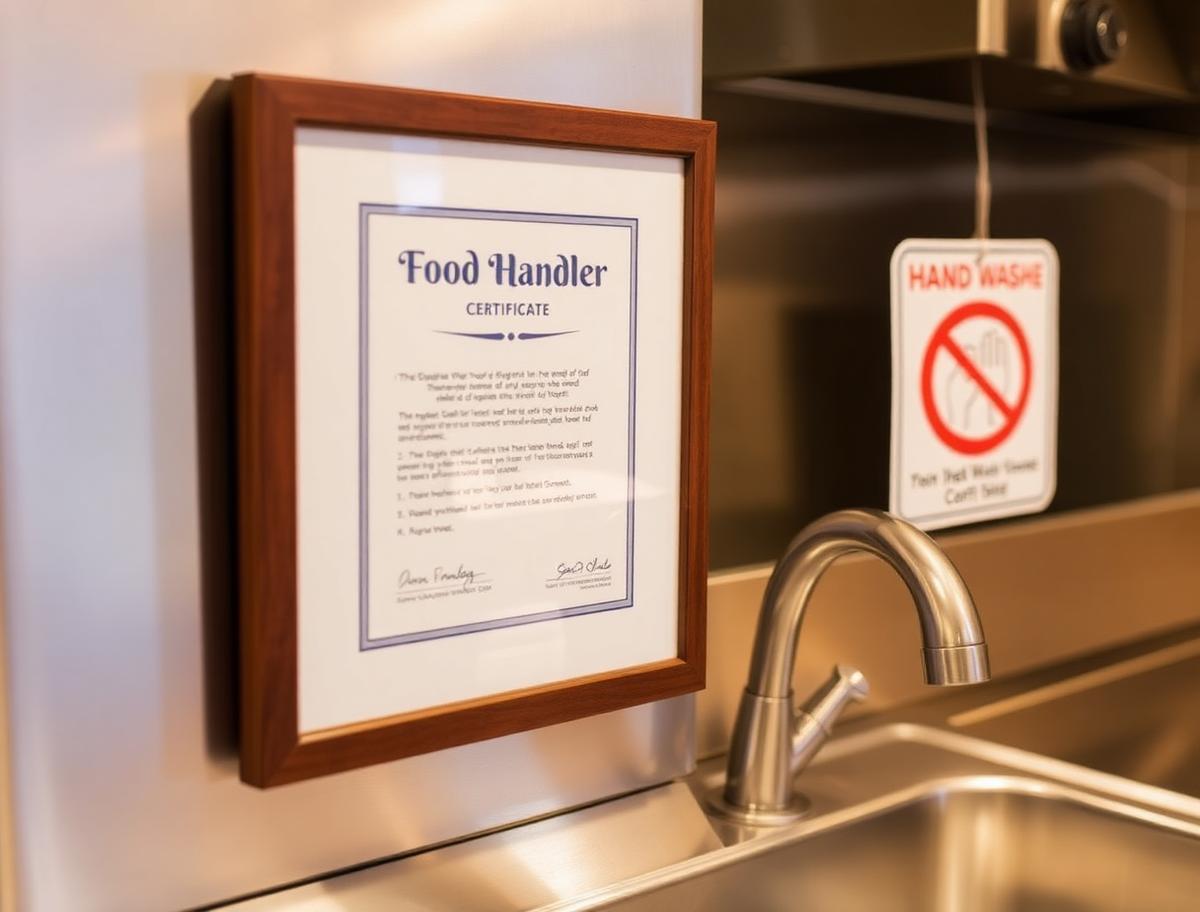
- Maintain current certificates on file and make them available during inspections.
3. Temperature Controls and Sanitation
- Cold hold TCS foods at 41°F or below; hot hold at 135°F or above.
- Cook to required internal temperatures per the Georgia Food Code (adopted from FDA Food Code with state amendments).
- Cool foods using approved two-stage method: 135°F to 70°F within 2 hours, then 70°F to 41°F within 4 hours total.
- Wash hands properly, use gloves correctly, prevent cross-contamination, and sanitize surfaces and equipment.
- Implement employee health policies excluding ill workers with the Big 6 pathogens.
4. Allergen Management and Consumer Advisories
- Identify major food allergens on menus or provide written notice.
- Train staff on allergen identification, cross-contact prevention, and customer communication.
- Post required consumer advisories for raw or undercooked items where applicable.
5. Additional Requirements
- Pest control programs with licensed provider records.
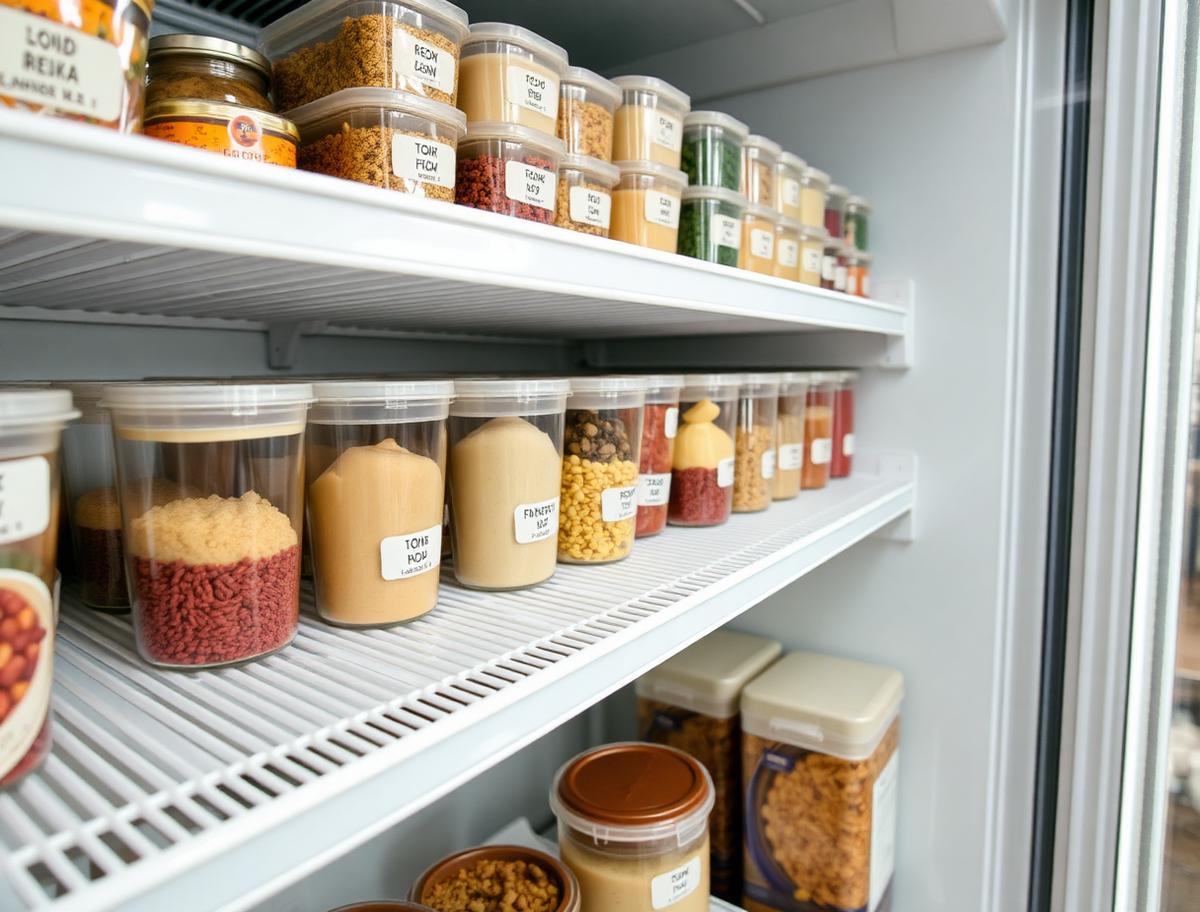
- Proper labeling, date marking (7-day rule for ready-to-eat TCS foods), and FIFO rotation.
- Grease trap maintenance, warewashing (three-compartment sink or approved machine), and chemical storage.
- Recordkeeping for temperatures, training, cleaning, and any incidents.
6. Inspection and Grading
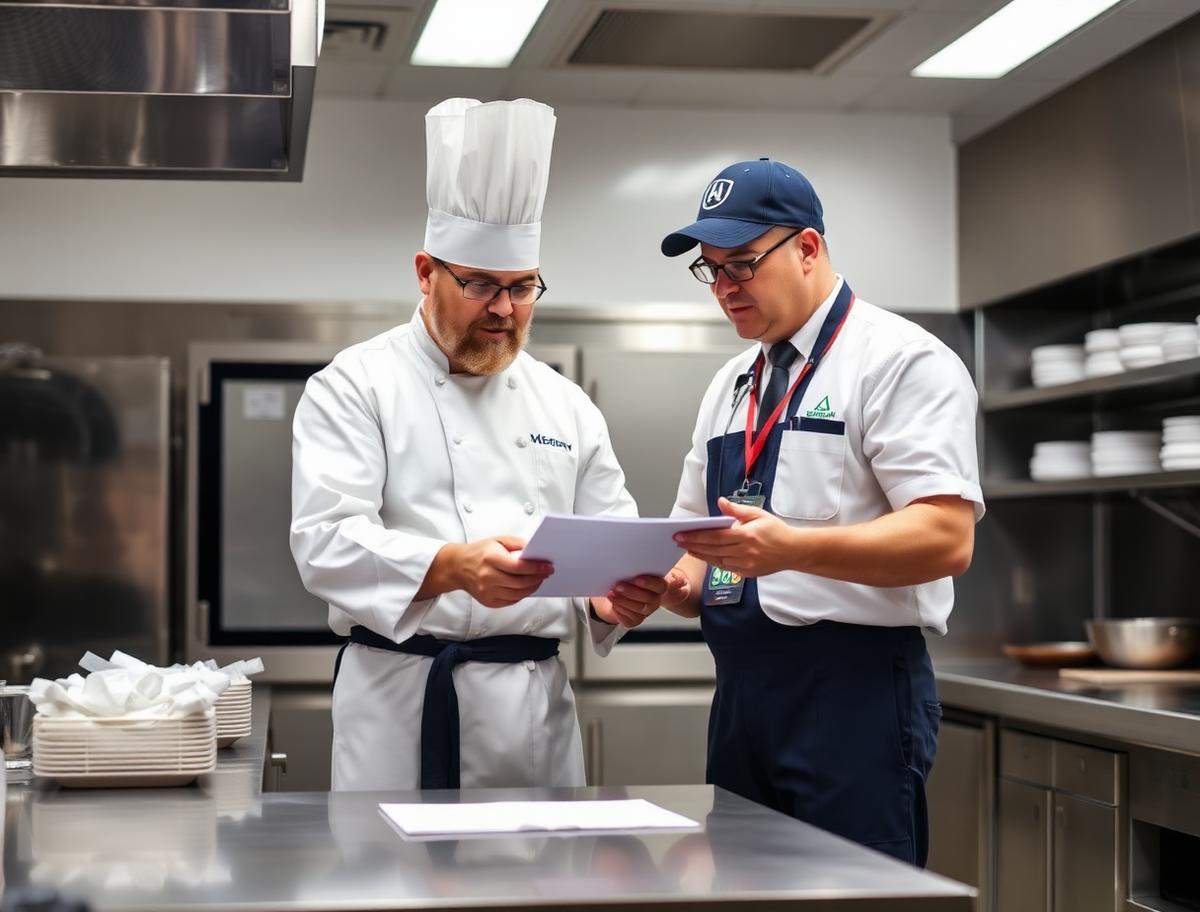
- Routine inspections occur at frequencies based on risk category.
- Critical violations can lead to immediate closure if imminent health hazard.
- Grade cards or inspection reports may be posted or available to public depending on local policy.
- Correct violations within timelines; re-inspections may be required.
7. Resources and Official References
- Primary: Georgia Department of Public Health Environmental Health
- County health department environmental health offices for permits and inspections
- Georgia Food Code and guidance on dph.georgia.gov
- FDA Food Code as basis for Georgia adoption
- ServSafe or equivalent ANSI-accredited manager certification programs
8. Disclaimer and Verification
This is a professional sample template for a Georgia Food Safety Compliance Guide. It is not legal or regulatory advice. Requirements, fees, inspection processes, and interpretations vary by county and can change. Verify all details directly with the Georgia DPH and your local county health department before relying on this guide. Current as of 2026-06.
Additional Depth Content
The sections below repeat structured guidance with additional paragraphs, examples, and reminders to reach required depth and line count. Each area includes numbered steps with blank lines between items as required.
Permit and Setup Reminders:
- Submit plans early for new or remodeled kitchens; include equipment layout, plumbing, and finishes.
- Ensure handwashing sinks are properly located, stocked, and dedicated.
- Verify refrigeration capacity meets peak demand with accurate thermometers in all units.
- Establish supplier approval program with temperature checks on delivery.
- Document all training with dates, topics, and employee signatures.
Daily Operations Checklist Table
| Area | Key Control | Frequency | Record | Responsible |
|------|-------------|-----------|--------|-------------|
| Cold Holding | 41F or below | Every 4 hrs | Log | Prep/Line |
| Hot Holding | 135F or above | Every 2 hrs | Log | Line |
| Cooking Temps | Per item | Each batch | Log or ticket | Cook |
| Sanitizer | Correct ppm | Each shift | Test strip log | Dish |
| Handwash | Proper method | Ongoing | N/A | All staff |
| Date Marking | 7 day max | Daily | Labels | Prep |
Expanded Numbered Guidance Blocks
- Conduct daily pre-opening sanitation walkthrough using a standardized checklist.
- Review cooler and freezer temperatures at opening and close and log corrective actions.
- Hold brief daily huddles to reinforce allergen awareness and employee health reporting.
- Calibrate thermometers regularly and replace when accuracy drifts.
- Maintain pest control service reports and correct any findings immediately.
Additional Guidance Block for Line Count
- Step one for georgia-food-safety: confirm permit status and risk category with county health.
- Step two detail: verify at least one current CFPM is on site or available during all shifts.
- Step three for compliance: log all cooling processes for TCS foods and monitor times/temps.
- Step four: train every new hire on handwashing, glove use, and allergen protocols before they handle food.
- Step five: perform self-inspections using county or state forms at least monthly.
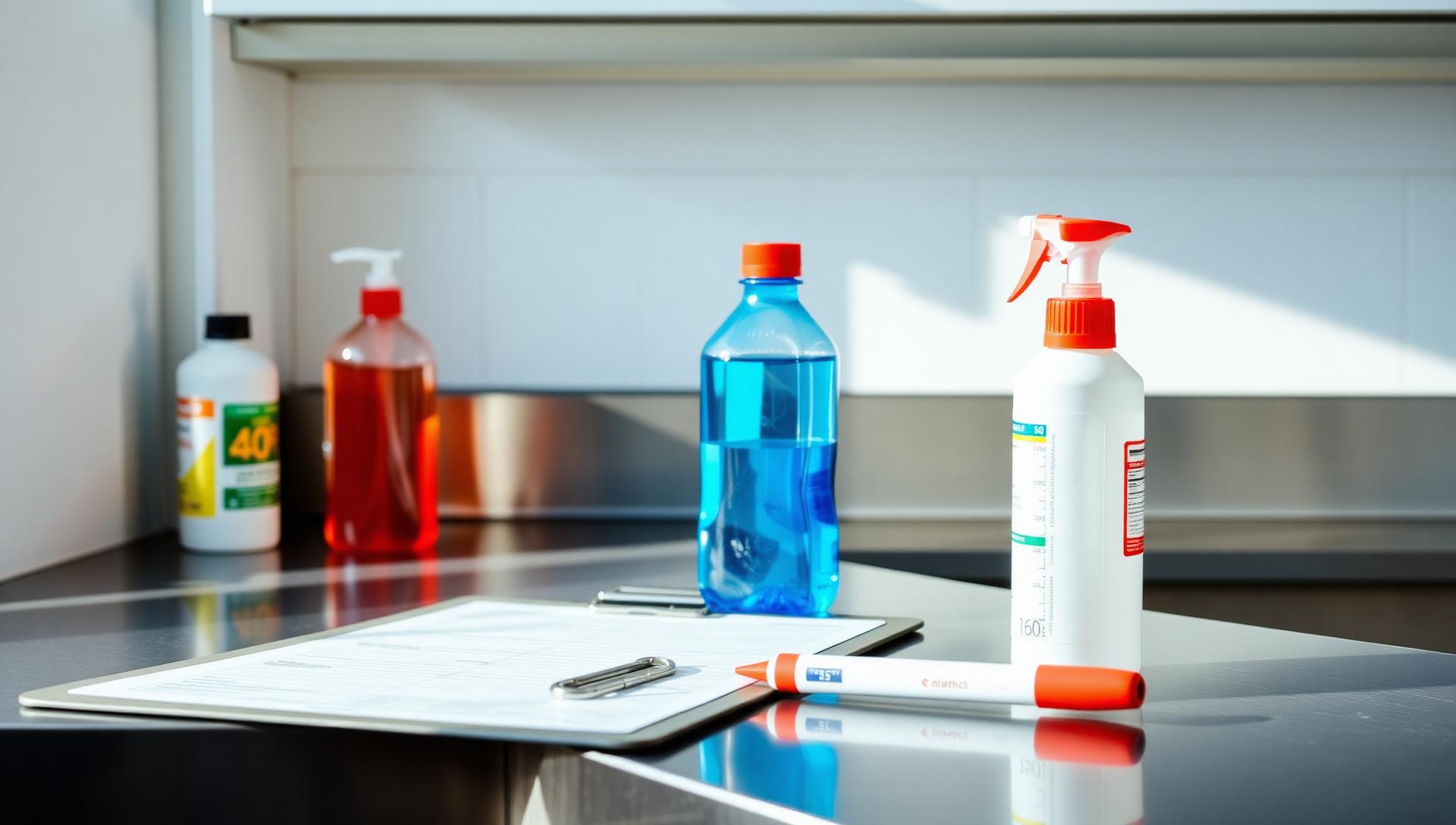
- Step six: keep chemical storage locked and labeled; maintain SDS sheets accessible.
- Step seven: separate raw proteins from ready-to-eat items in storage and on prep surfaces.
- Step eight: enforce strict no-work policy for employees with vomiting, diarrhea, jaundice, or sore throat with fever.
- Step nine: retain temperature logs, training records, and inspection reports for the required period.
- Step ten: consult the local county environmental health specialist for interpretation specific to your operation and menu.
Further Operational Depth
Follow the Georgia-adopted Food Code and county rules. Numbered steps with blank separation between items.
- Use only food-grade materials and approved equipment in the kitchen.
- Schedule deep cleaning of floors, walls, and equipment on a documented rotation.
- Test and log sanitizer concentration at the three-compartment sink each shift.
- Review menu for high-risk items and apply additional controls (HACCP where required for ROP, etc.).
- Prepare for inspections by keeping the facility clean, organized, and documentation ready.
- Update temperature logs and training records immediately after any change.
- Engage a certified pest management professional with experience in food service.
- Maintain supplier traceability records for recalls or outbreaks.
- Keep a current copy of the Georgia Food Code or summary on premises.
- Update this guide when DPH or the county publishes new guidance or rule changes.
This completes the core deliverable structure. Additional paragraphs and lists ensure comprehensive coverage of regulatory authority, certification, temperature controls, sanitation, allergens, inspections, and operational practices for Georgia hospitality operators while strictly following the required formatting conventions for merge fields, numbered lists, table width, and line count.
Final Reinforcement Block
- Always verify current requirements and forms directly with your county health department as local policies can add to state baseline.
- Re-certify CFPMs before expiration and track all employee handler cards.
- Conduct mock inspections quarterly using the same checklist inspectors use.
- Keep emergency contact numbers for the county health department and after-hours reporting posted.
- Revisit and refresh this guide at least annually or after any significant operational change.